

Allen Hinds 4tet
ft. Jimmy Haslip, Michele Papadia & Gergo Borlai
Groove Fusion (jazz‑blues‑rock) | USA
AVAILABILITY FOR EUROPE
2026 | August 19th to 30th


Line-up
Allen Hinds | Guitar
Natalie Cole, Roberta Flack, Randy Crawford, James Ingram, Bobby Caldwell, BeBe & CeCe Winans, The Crusaders, Hiroshima, Boney James, Eric Marienthal
Jimmy Haslip | Bass
Allan Holdsworth, Pat Metheny, Bonnie Raitt, Rod Stewart, Donald Fagen, Al Jarreau, Bruce Hornsby, Jeff Lorber, Robben Ford, Bobby McFerrin
Gergő Borlai | Drums
Al Di Meola, Tony MacAlpine, Nathan East, Tom Scott, Vernon Reid, Terry Bozzio, Bob Mintzer, Scott Henderson, Gary Willis, Hadrien Feraud
Michele Papadia | Keys
Ana Popovic, Joe Bonamassa, Noemi, Fabrizio Bosso, Gianluca Petrella, Patty Pravo
Style
A blues-rooted, guitar-led fusion set where hooks matter as much as solos: Allen Hinds’ vocal phrasing rides a pocket built by Jimmy Haslip’s melodic, harmony-aware bass lines and Gergő Borlai’s high-definition drive-tight on the backbeat, fearless when the meters start to bend. Michele Papadia adds Hammond grit and electric-piano shimmer, widening the harmonic canvas as the quartet moves from lean funk vamps to open, melodic jazz-rock studio-clean in tone, live-wire in momentum.
Profile
Allen Hinds Quartet brings groove fusion into a modern, song-forward frame-equal parts blues narrative, jazz harmony, and rock attitude. Hinds’ lyrical phrasing and expressive articulation lead the line, while Jimmy Haslip anchors the band with a producer’s ear and an electric sound that can feel as warm and upright-like as it is punchy. Gergo Borlai adds high-definition fusion vocabulary without losing the jazz feel, turning metric shifts into momentum rather than complexity. Michele Papadia widens the harmonic spectrum with Hammond and keys that can move from velvet pad work to biting, percussive comping an ideal foil for Hinds’ bends and melodic themes. The set stays built on groove: head-nodding backbeats, elastic pocket funk, and slow-burn blues that open into fearless improvisation and tight, conversational interplay.
Details
Allen Hinds A long-time first-call guitarist in contemporary jazz-blues contexts, with credits spanning soul, pop, and jazz crossover sessions. His writing favors melodic song-forms, dynamic builds, and tone-forward storytelling. Highlights include the 2016 release Fly South. (“Imagine a player with the taste of Robben Ford, the fearless melodicism of Jeff Beck and the joyous musicality of Derek Trucks.” — Jason Sidwell, MusicRadar, 2017-05-10)
Jimmy Haslip Cofounding voice of modern fusion bass, known for lyricism, articulation, and harmonic clarity. Equally at home as sideman and producer, shaping ensembles from the inside out. His work is often praised for bringing an upright-like elegance to the electric instrument. (“Haslip is a most lyrical musician, and he brings the elegant tone of an upright bass to his electric model.” — Ian Patterson, All About Jazz, 2011-05-04)
Gergő Borlai A fusion powerhouse with a broad vocabulary—speed, precision, and deep listening in equal measure. Credits include work alongside rock/fusion icons and a strong footprint in modern jazz contexts. His playing turns technical firepower into narrative energy and forward motion. (“Oh, he can shred—boy, can he shred.” — Ilya Stemkovsky, Modern Drummer, 2018-11-30)
Michele Papadia Keyboardist, composer, arranger, and producer with a reputation for high-impact groove playing and rich harmonic color. Active across jazz-fusion and blues-rock circuits, including long-term work in international touring line-ups. His keys parts are valued for shaping the identity of recordings from the earliest demos. (“Michele Papadia, with me for 17 years… sent me keys parts for the first demos of the songs and I kept them all.” — Ana Popovic, American Blues Scene, 2023-05-02)
Biographies
Allen Hinds
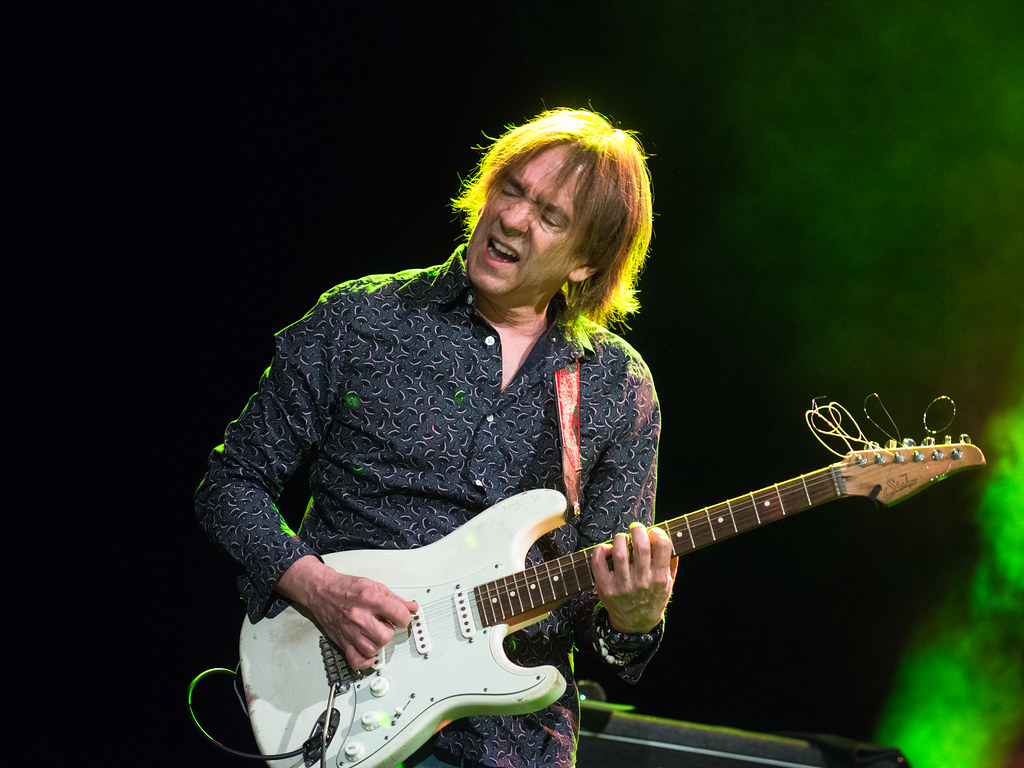
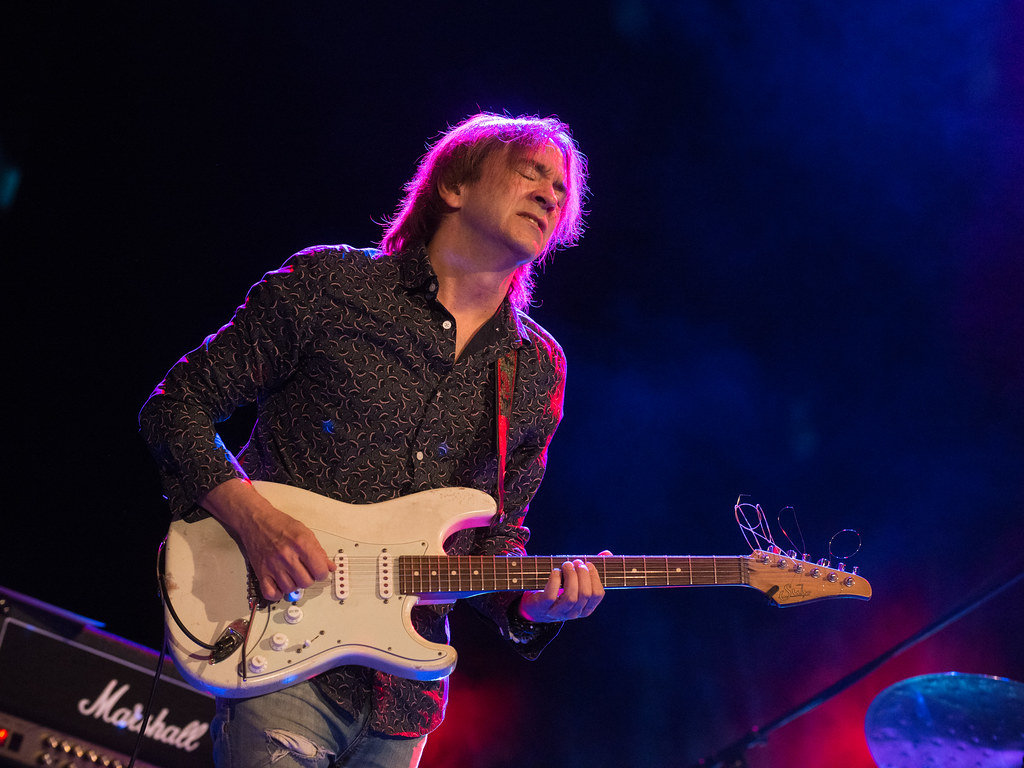
Allen Hinds is a guitar storyteller whose career sits at the crossroads of blues grit, jazz harmony, and modern fusion drive. Raised in Auburn, Alabama and drawn early to blues and R&B, he pushed toward jazz and fusion as a teenager and studied at Berklee before relocating to Los Angeles to attend Musicians Institute. In MI’s own profile of his path, that move was made possible by the Larry Carlton Scholarship, and Hinds has remained closely tied to the school as a long-standing faculty member in jazz improvisation and phrasing.
In L.A., Hinds built the kind of résumé that only comes from being consistently called for the right gigs: tracking and touring across soul, pop, and jazz-adjacent sessions with major artists and bandleaders while also cultivating his own catalogue. His playing has been repeatedly described in terms of “taste” and melodic fearlessness vocal-like bends, liquid legato, and a climactic sense of solo architecture that makes improvisation feel like narrative. That dual identity-first-call sideman and leader with a signature voice shows up in how he writes: tight, song-centered forms that can expand into open improvisation without losing their arc.
Hinds’ music has also found a life in broadcast placements, with compositions used across TV and cable programming, reinforcing a key point about his artistry: hooks matter as much as chops. As a leader he frames groove as the engine and melody as the headline blues-rooted themes, jazz-inflected chord movement, and rock-ready dynamics that keep the audience locked in even when the harmony and phrasing get adventurous. The arc of his career is defined less by stylistic pivots than by deepening: the same unmistakable tone applied to increasingly refined writing, increasingly conversational ensembles, and an ever-clearer sense of what makes a guitar line memorable.
Jimmy Haslip
Jimmy Haslip is one of the defining electric bass voices in contemporary jazz-fusion a musician whose career spans virtuosic performance, composition, and a major body of work as a producer. For more than three decades he was a core figure in Yellowjackets; in a 2020 interview he reflected on spending 32 years with the band and then stepping away in 2012 as touring demands collided with a growing production workload and a desire to be closer to family. That long arc helped set the template for modern fusion: a rhythm section that can be both pocket-deep and harmonically agile, supporting strong melodies without sacrificing risk.
Haslip’s role was never limited to “the bass chair.” He shaped sound and direction from the inside, contributing as a writer and as a studio-minded architect of the rhythm section. In interviews he has described making records as a social and musical craft: gathering players, shaping atmosphere, and protecting the song’s identity through the recording process. A JazzTimes conversation captures how seriously he takes that craft, framing production as its own discipline and describing a catalog that runs deep into dozens of albums.
Recognition has followed that breadth. Yellowjackets’ long GRAMMY history is well documented by the Recording Academy, and Haslip’s own credits include multiple GRAMMY wins and a long run of nominations an indicator not just of playing excellence but of sustained relevance across projects and decades. Musically, his signature is lyricism with authority: a full tone, precise articulation, and harmonic intelligence that lets the bass function as both anchor and melodic counter-voice. Even when working at the highest technical level, his lines remain singable always serving the music first, which is exactly why so many artists trust him with the foundation.
Gergő Borlai
Gergő Borlai represents the modern fusion drummer at full bandwidth: explosive technique, deep time, and an ear for arrangement that turns virtuosity into story. Originally from Hungary, he developed early as a professional player in his teens and later expanded into an international career as a session, touring, and recording drummer, as well as a composer and producer. The through-line is not just speed or precision, but the ability to make complex rhythmic information feel like momentum odd meters that breathe, metric shifts that land like downbeats.
Borlai’s discography and live profile connect him to a broad network of high-level fusion and contemporary jazz artists guitar heroes, modern bass innovators, and cross-genre projects where the drummer is expected to carry both precision and personality. Industry bios and festival line-ups regularly cite an unusually high volume of recordings and performances, alongside an awards footprint tied to his work in Hungary and beyond: gold-record acknowledgements, major national prizes, and prominent international visibility.
His career has also been marked by headline milestones in the drumming world. In 2019 he placed third in Modern Drummer’s reader poll for “Best All-Around Drummer,” and in 2021 a legacy manufacturer released a signature snare drum developed with him. A 2025 profile also notes that his 2020 solo album The Missing Song was in consideration for GRAMMY recognition, while his broader public presence has grown through clinics and educator roles that bring his approach to drummers worldwide.
Importantly, those achievements have not pulled him away from the working drummer’s craft; they have amplified it. Borlai’s most consistent calling card is that he makes technical content feel human groove-first, reactive to the band, and always aimed at lifting the music rather than displaying the machinery.
Michele Papadia
Michele Papadia is an Italian keyboardist, composer, arranger, and producer whose career has been built in the engine room of contemporary blues and groove-based music: touring bands, high-pressure sessions, and the day-to-day discipline of making songs work. His musical identity is rooted in Afro-American traditions blues, funk, soul, and jazz filtered through a modern player’s toolkit: Hammond organ authority, electric-piano nuance, clavinet bite, and a producer’s instinct for what a track needs.
Papadia’s profile is strongly tied to long-term collaborations, especially in the international blues-rock circuit where consistency and trust matter. A vivid example comes from Ana Popovic’s own account of making the album Power (2023): Papadia described as working with her for 17 years at that point sent keyboard parts for the earliest demos, and those original parts were kept in the final masters while other elements were recorded around them. It is a telling detail: he is not only a live band member, but a foundational voice in the production chain, shaping arrangement and feel from the earliest stage.
In interviews, Papadia has also described formative “professional rites of passage” that map his path from Italy to the wider touring world: high-level encounters, sessions, and tours that placed him in demanding contexts where taste and reliability matter as much as vocabulary. Those experiences sit behind his practical musical philosophy: the blues is not a museum piece but a living language, strengthened by groove, call-and-response, and the ability to support a singer or guitarist while still adding harmonic depth.
Across his work as a musician and educator, Papadia’s signature is the same: parts that lock the pocket, color the harmony, and make the song feel inevitable—whether on a festival stage or inside the studio, where a great take can become the identity of the record.
Quotes
Hinds
“Imagine a player with the taste of Robben Ford, the fearless melodicism of Jeff Beck and the joyous musicality of Derek Trucks.” (Jason Sidwell, MusicRadar, 2017-05-10) https://www.musicradar.com/news/allen-hinds-talks-teaching-technique-and-jeff-buckley-jazz-jams
“I am sure a lot of that came from… the strange way I hold a pick… being attracted to great sax players…” (Allen Hinds interview; Jason Sidwell, MusicRadar, 2017-05-10) https://www.musicradar.com/news/allen-hinds-talks-teaching-technique-and-jeff-buckley-jazz-jams
“When I was a kid… I had older brothers and sisters and so I heard Freddie King, Jimi Hendrix and The Beatles… before I had even picked up a guitar.” (Allen Hinds interview; Jason Sidwell, MusicRadar, 2017-05-10) https://www.musicradar.com/news/allen-hinds-talks-teaching-technique-and-jeff-buckley-jazz-jams
“You have to have that burning desire to learn — and then have the creativity to do something with it.” (Allen Hinds interview; Jason Sidwell, MusicRadar, 2017-05-10) https://www.musicradar.com/news/allen-hinds-talks-teaching-technique-and-jeff-buckley-jazz-jams
“At some point, I realised it didn’t take a lot of mathematical licks or convoluted harmony to be emotive or expressive…” (Allen Hinds interview; Jason Sidwell, MusicRadar, 2017-05-10) https://www.musicradar.com/news/allen-hinds-talks-teaching-technique-and-jeff-buckley-jazz-jams
“I sit with students for five hours a few days a week and play, play, play.” (Allen Hinds interview; Jason Sidwell, MusicRadar, 2017-05-10) https://www.musicradar.com/news/allen-hinds-talks-teaching-technique-and-jeff-buckley-jazz-jams
“Listen to Joni Mitchell, Led Zeppelin, The Beatles and Stevie Wonder, and learn their songs.” (Allen Hinds interview; Jason Sidwell, Guitar Player, 2025-09-26) https://www.guitarplayer.com/guitarists/i-said-what-happened-he-said-he-just-got-really-nervous-crazy-considering-his-future-allen-hinds-on-jeff-buckleys-guitar-genius-and-his-stupid-question-to-jaco-pastorius
“I encourage songwriting over chops building.” (Allen Hinds interview; Jason Sidwell, Guitar Player, 2025-09-26) https://www.guitarplayer.com/guitarists/i-said-what-happened-he-said-he-just-got-really-nervous-crazy-considering-his-future-allen-hinds-on-jeff-buckleys-guitar-genius-and-his-stupid-question-to-jaco-pastorius
“One, get over yourself.” (Allen Hinds interview; Jason Sidwell, Guitar Player, 2025-09-26) https://www.guitarplayer.com/guitarists/i-said-what-happened-he-said-he-just-got-really-nervous-crazy-considering-his-future-allen-hinds-on-jeff-buckleys-guitar-genius-and-his-stupid-question-to-jaco-pastorius
“Two, don’t make faces when you think you mess up. No one else knows!” (Allen Hinds interview; Jason Sidwell, Guitar Player, 2025-09-26) https://www.guitarplayer.com/guitarists/i-said-what-happened-he-said-he-just-got-really-nervous-crazy-considering-his-future-allen-hinds-on-jeff-buckleys-guitar-genius-and-his-stupid-question-to-jaco-pastorius
“Three, write, write, write. At the end of the day, people remember songs.” (Allen Hinds interview; Jason Sidwell, Guitar Player, 2025-09-26) https://www.guitarplayer.com/guitarists/i-said-what-happened-he-said-he-just-got-really-nervous-crazy-considering-his-future-allen-hinds-on-jeff-buckleys-guitar-genius-and-his-stupid-question-to-jaco-pastorius
“His velvety note-bending articulations, howling upper-register choruses and climactically oriented manner of constructing a solo are constants…” (Glenn Astarita, All About Jazz, 2016-10-10) https://www.allaboutjazz.com/fly-south-allen-hinds-self-produced-review-by-glenn-astarita
Haslip
“I know I don’t play the instrument correctly… [I’ve] tried to find my own way of expressing myself.” (Bass Player Staff, Guitar World, 2021-03-22) https://www.guitarworld.com/features/jimmy-haslip-i-know-i-dont-play-the-instrument-correctly-ive-just-tried-to-find-my-own-way-of-expressing-myself
“I’ve put… that many hours into it already, but I’m still not satisfied.” (Bass Player Staff, Guitar World, 2021-03-22) https://www.guitarworld.com/features/jimmy-haslip-i-know-i-dont-play-the-instrument-correctly-ive-just-tried-to-find-my-own-way-of-expressing-myself
“The music has to be what is most important.” (Jim Worsley, All About Jazz, 2020-02-05) https://www.allaboutjazz.com/jimmy-haslip-amperes-beyond-the-bassics-part-one-jimmy-haslip
“If a different bassist is what is best… for the music, then that’s what I do. I have no ego about that sort of thing.” (Jim Worsley, All About Jazz, 2020-02-05) https://www.allaboutjazz.com/jimmy-haslip-amperes-beyond-the-bassics-part-one-jimmy-haslip
“I really loved working with Allan Holdsworth… Allan’s playing was very deep emotionally.” (Jim Worsley, All About Jazz, 2020-02-05) https://www.allaboutjazz.com/jimmy-haslip-amperes-beyond-the-bassics-part-one-jimmy-haslip
“I take on many projects and am always focused on what is next… I have never… rest[ed] on my laurels.” (Jim Worsley, All About Jazz, 2020-02-24) https://www.allaboutjazz.com/jimmy-haslip-amperes-beyond-the-bassics-part-2-jimmy-haslip
“There’s another element to production and that’s psychology… You have to be a therapist on a certain level.” (Lee Mergner, JazzTimes, 2024-07-29) https://www.jazztimes.com/features/interviews/jimmy-haslip-the-multi-tasker/
“You have to… keep motivation at the top of the list.” (Lee Mergner, JazzTimes, 2024-07-29) https://www.jazztimes.com/features/interviews/jimmy-haslip-the-multi-tasker/
“My life has been filled with many incredible experiences… It’s all been an incredible ride… I cherish every moment.” (Jon Liebman, For Bass Players Only, 2010-09-06) https://forbassplayersonly.com/interview-jimmy-haslip/
“[I feel] blessed to be able to share music and the message that music brings: love, harmony and positive vibration.” (Jon Liebman, For Bass Players Only, 2010-09-06) https://forbassplayersonly.com/interview-jimmy-haslip/
“[The] bottom line was that music was intriguing, joyous and wonderful to experience on many levels.” (Jon Liebman, For Bass Players Only, 2010-09-06) https://forbassplayersonly.com/interview-jimmy-haslip/
“Jimmy Haslip is a true musician’s musician with a career filled with hundreds of recording dates…” (NAMM, NAMM Oral History, 2021-08-16) https://ww1.namm.org/library/oral-history/jimmy-haslip
Papadia
“Michele Papadia, with me for 17 years from Italy, sent me keys parts for the first demos of the songs and I kept them all.” (Ana Popovic, American Blues Scene; Lauren Leadingham, 2023-05-02) https://www.americanbluesscene.com/2023/05/internationally-renowned-guitarist-ana-popovic-to-release-new-album-power/
“We pick the keyboardists… either my longtime keyboard player Michele Papadia… or Jeremy Thomas.” (Ana Popovic, Bluesactu; Cédric Vernet, 2025-10-06) https://bluesactu.com/en/ana-popovic-in-interview-dance-to-the-rhythm-of-life/
“Love You Tonight gives Michele Papadia a shining spotlight on the keys, adding an unfathomable groove…” (Robert Sutton, MetalTalk, 2023-03-13) https://www.metaltalk.net/ana-popovic-live-review-at-garage-london.php
“On ‘Johnnie Ray’, Michele Papadia enchants on keys between electric piano and Hammond.” (Fabio Loffredo, TuttoRock, 2020-09-03; translated from Italian) https://www.tuttorock.com/recensioni/ana-popovic-live-for-live/
“Michele Papadia… a great artist of black and white keys.” (Redazione, Musicoff, 2022-01-24; translated from Italian) https://www.musicoff.com/strumenti/tastiere-artisti/la-tastiera-yamaha-yc73-in-una-superba-performance-del-michele-papadia-trio/
“One of the most in-demand Hammond players in the United States.” (Francesca Cecconi, Rocknation, 2020-12-21; translated from Italian) https://www.rocknation.it/intervista-michele-papadia/
“Ana takes the stage with her main band… Michele Papadia on keyboards.” (Robert Barry Francos, FFanzeen, 2010-11-29) https://ffanzeen.blogspot.com/2010/11/dvd-review-ana-popovic-band-evening-at.html
“Kirk Fletcher will be joined by… Michele Papadia (piano, organ).” (Redazione, Musicadalpalco, 2021-09-16; translated from Italian) https://musicadalpalco.com/2021/09/16/pistoia-blues-2021-by-jazzmi-kirk-fletcher-band/
“They’re joined by keyboard players Michele Papadia and Jeremy Thomas…” (Blues Blast Magazine, 2025-12-11) https://www.bluesblastmagazine.com/issue-19-49-december-11-2025/
“Alongside… Michele Papadia who have been playing with you for many years.” (Il Blues Magazine, 2024-11-20) https://www.ilblues.org/interview-with-ana-popovic/
Borlai
“Oh, he can shred… but… has visions well beyond technique… [to] analyze, understand, and apply.” (Ilya Stemkovsky, Modern Drummer, 2018-11-30) https://www.moderndrummer.com/article/january-2019-gergo-borlai/
“Counting kills music… Listen to the music and play the song.” (Jim Worsley, All About Jazz, 2021-03-09) https://www.allaboutjazz.com/gergo-borlai-talkin-drummers-and-drumming-gergo-borlai
“For me it’s about learning the music so completely that you don’t need to be thinking about it… [to] play it naturally.” (Jim Worsley, All About Jazz, 2021-03-09) https://www.allaboutjazz.com/gergo-borlai-talkin-drummers-and-drumming-gergo-borlai
“I don’t want to be playing loud or fast… It’s all about what the music needs… I can be the softest drummer you want.” (Jim Worsley, All About Jazz, 2021-03-09) https://www.allaboutjazz.com/gergo-borlai-talkin-drummers-and-drumming-gergo-borlai
“I never count while I am playing, I just feel it… I think counting kills music.” (Chiradeep Lahiri, Abstract Logix, 2017-07-14) https://abstractlogix.com/tag/gergo-borlai/
“[The] thought process, and level of preparation was meticulous for every drummer and every song.” (Jim Worsley, All About Jazz, 2020-05-29) https://www.allaboutjazz.com/the-missing-song-gergo-borlai-blue-canoe-records
“The drum kit, cymbals, sticks, pedals, everything was anew at the beginning of each piece.” (Jim Worsley, All About Jazz, 2020-05-29) https://www.allaboutjazz.com/the-missing-song-gergo-borlai-blue-canoe-records
“Gergo Borlai is a monster drummer… ‘The Missing Song’… will surely inspire many drummers and musicians…” (Bass Magazine, Bass Magazine, 2020-06-08) https://bassmagazine.com/drummer-gergo-borlai-releases-new-album-with-nine-legendary-bassists/
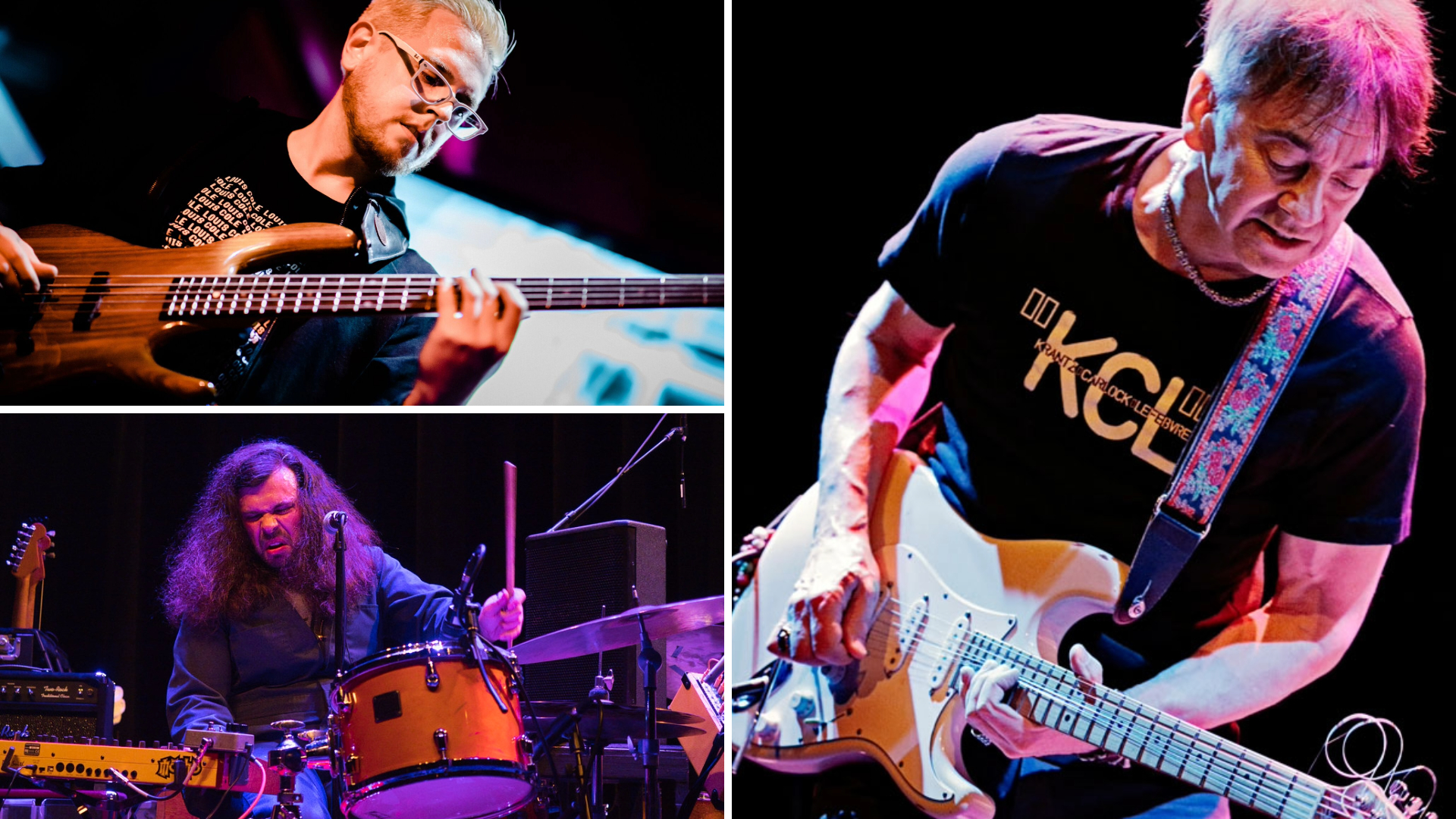
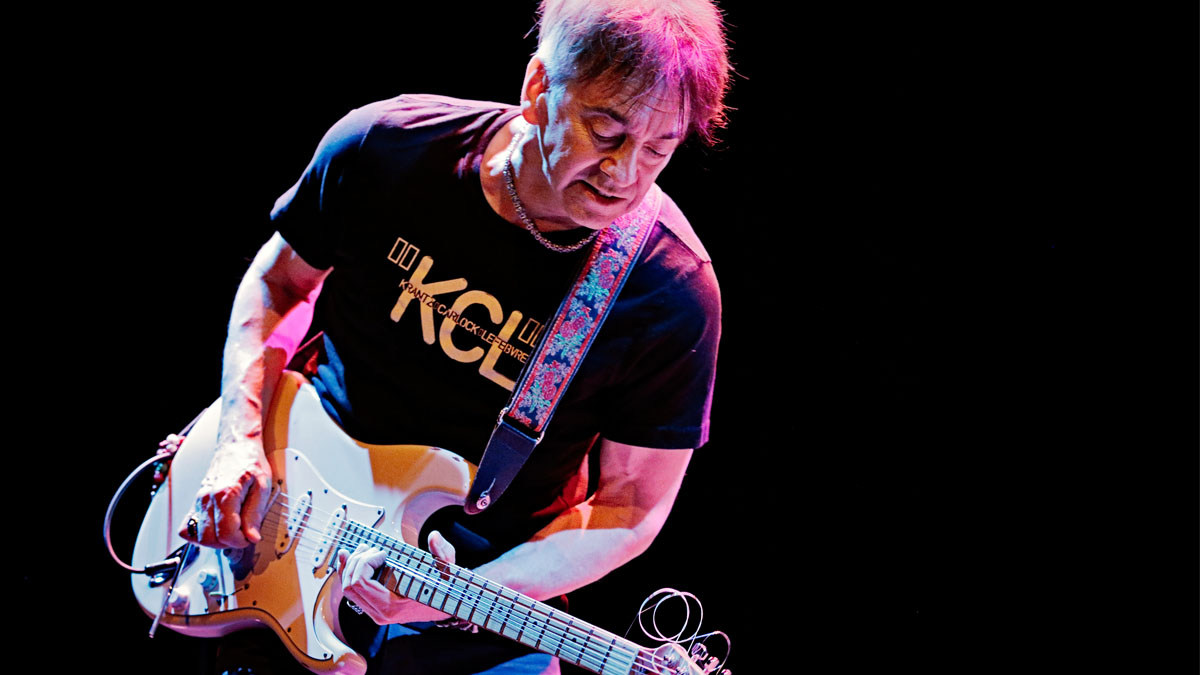
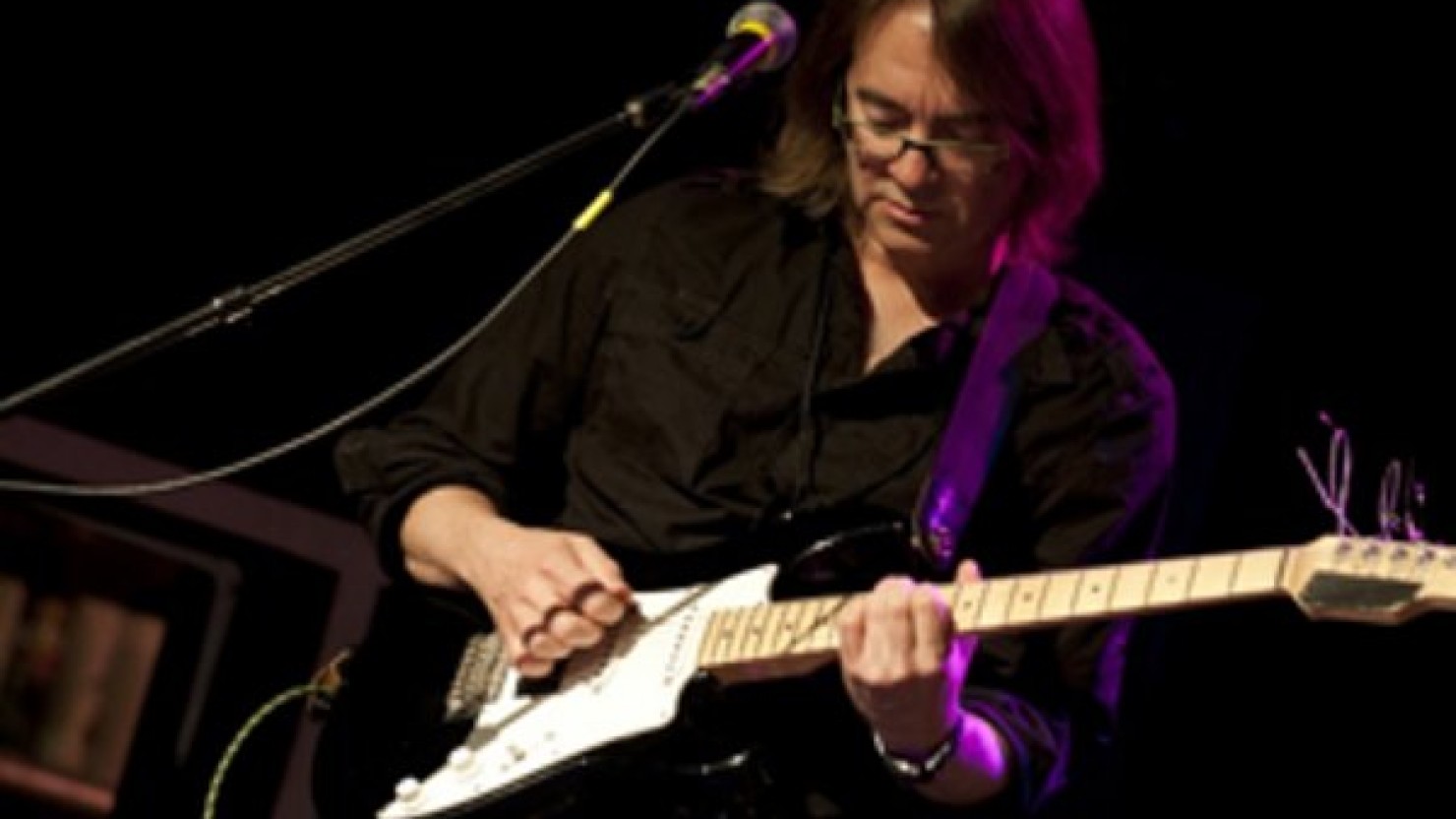

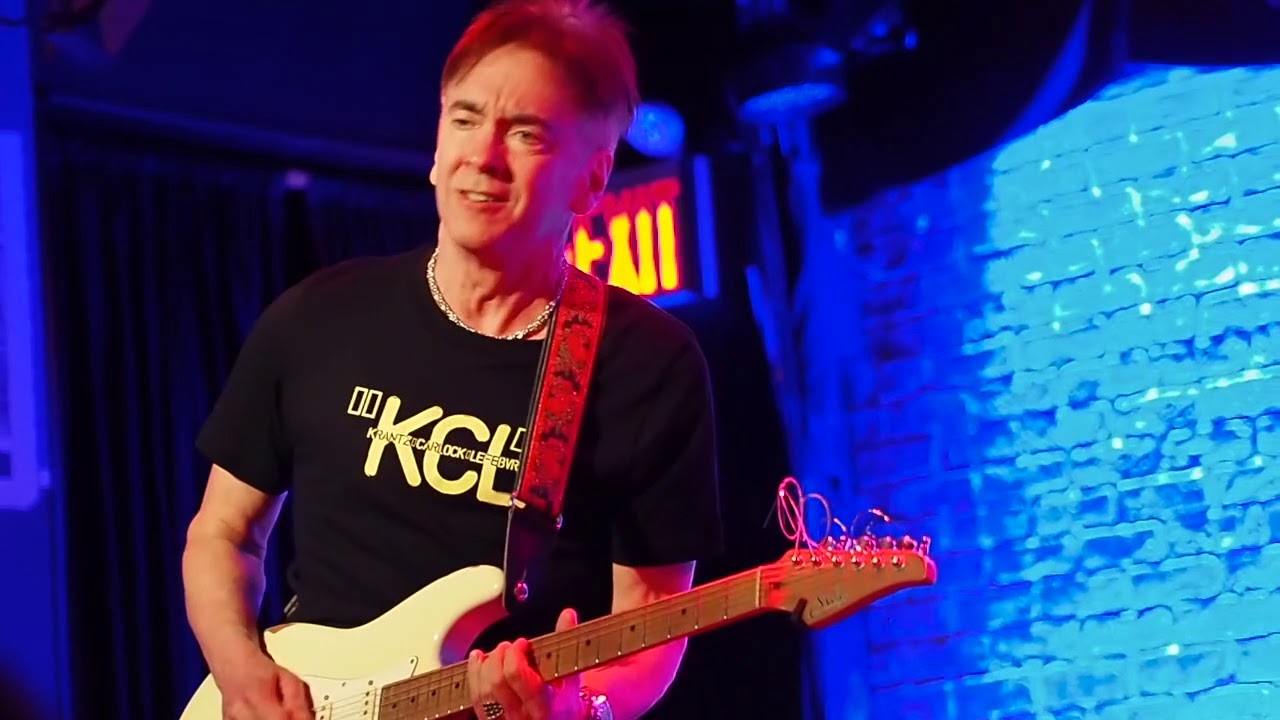

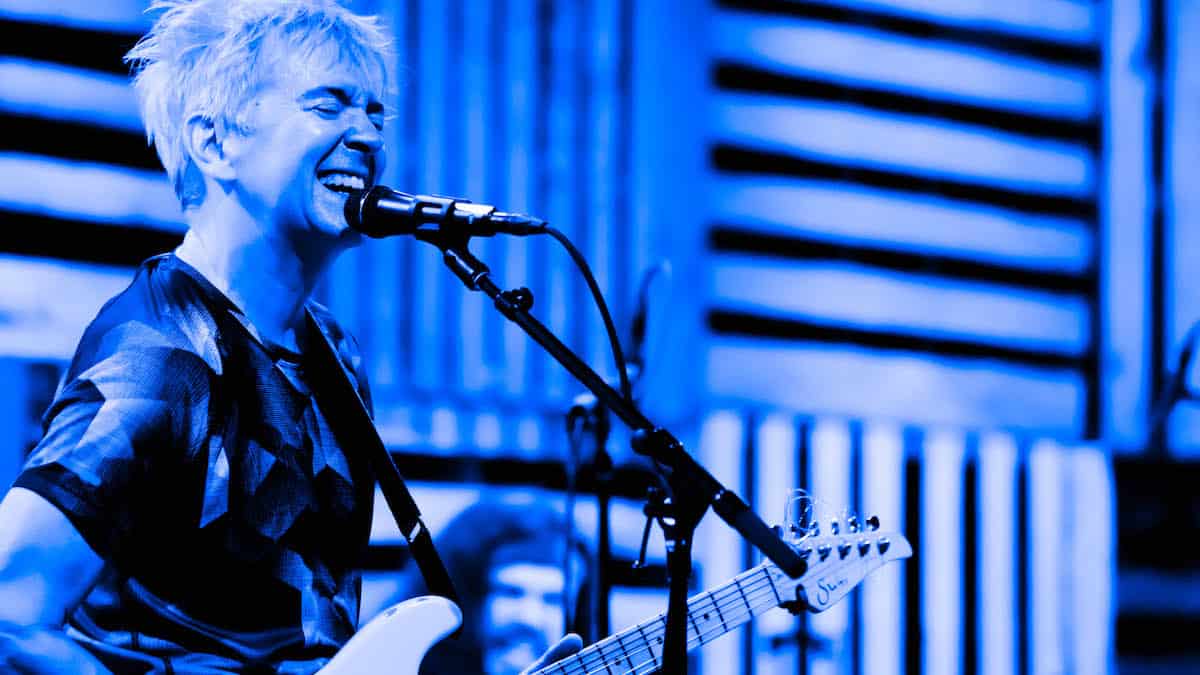


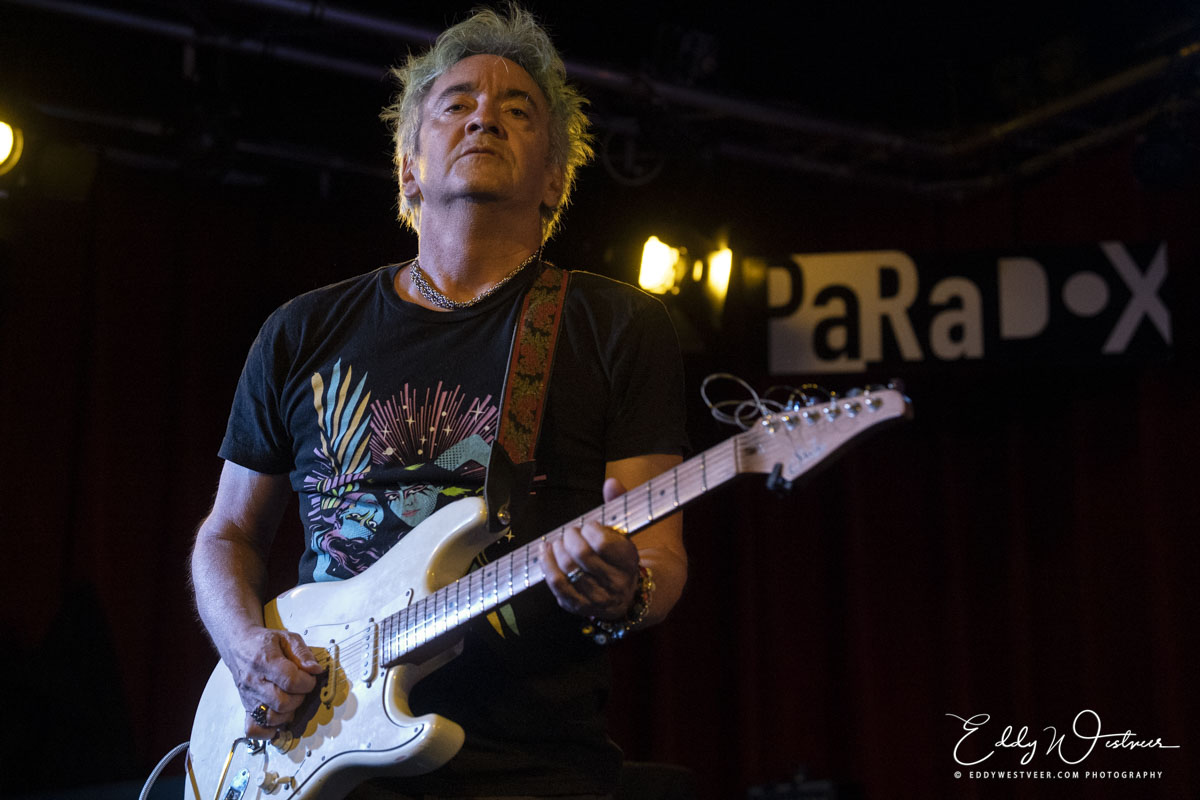
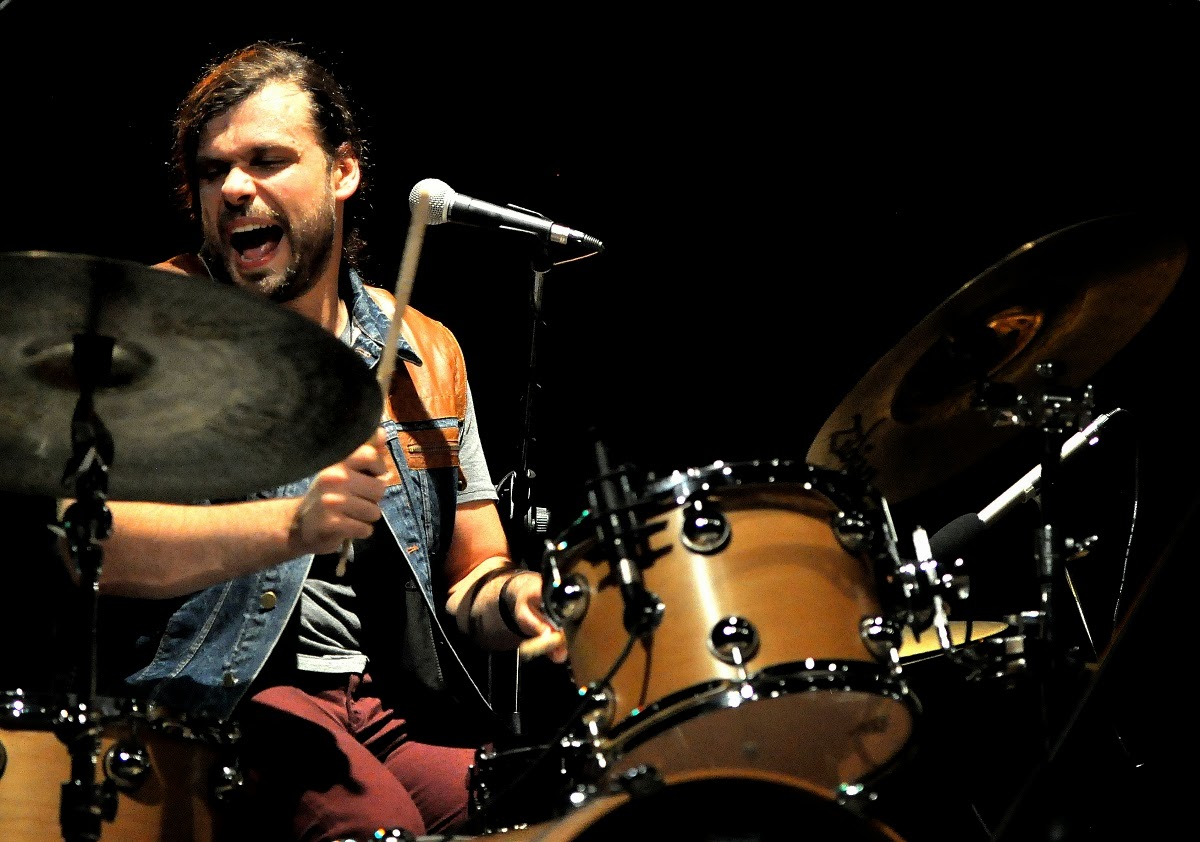
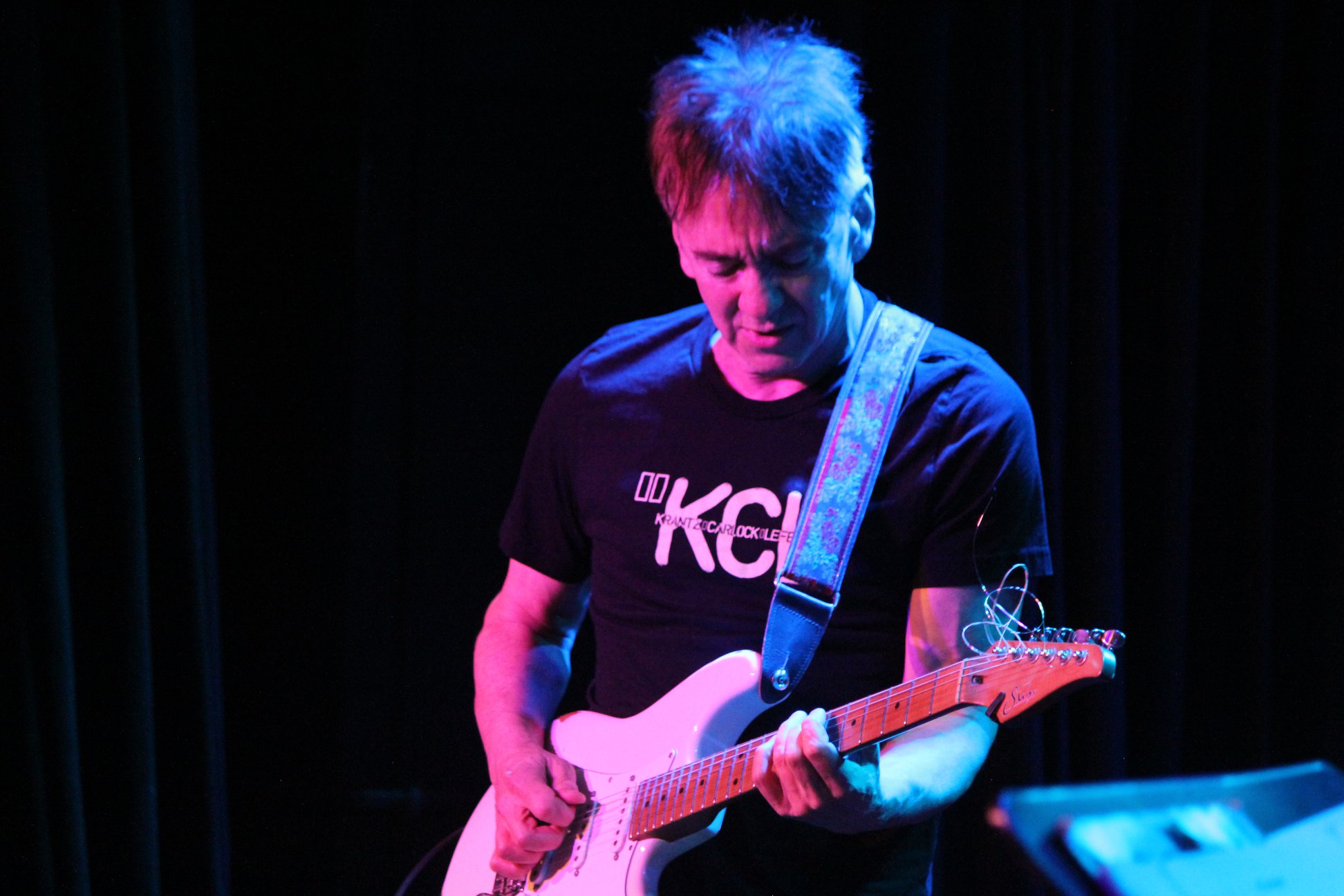
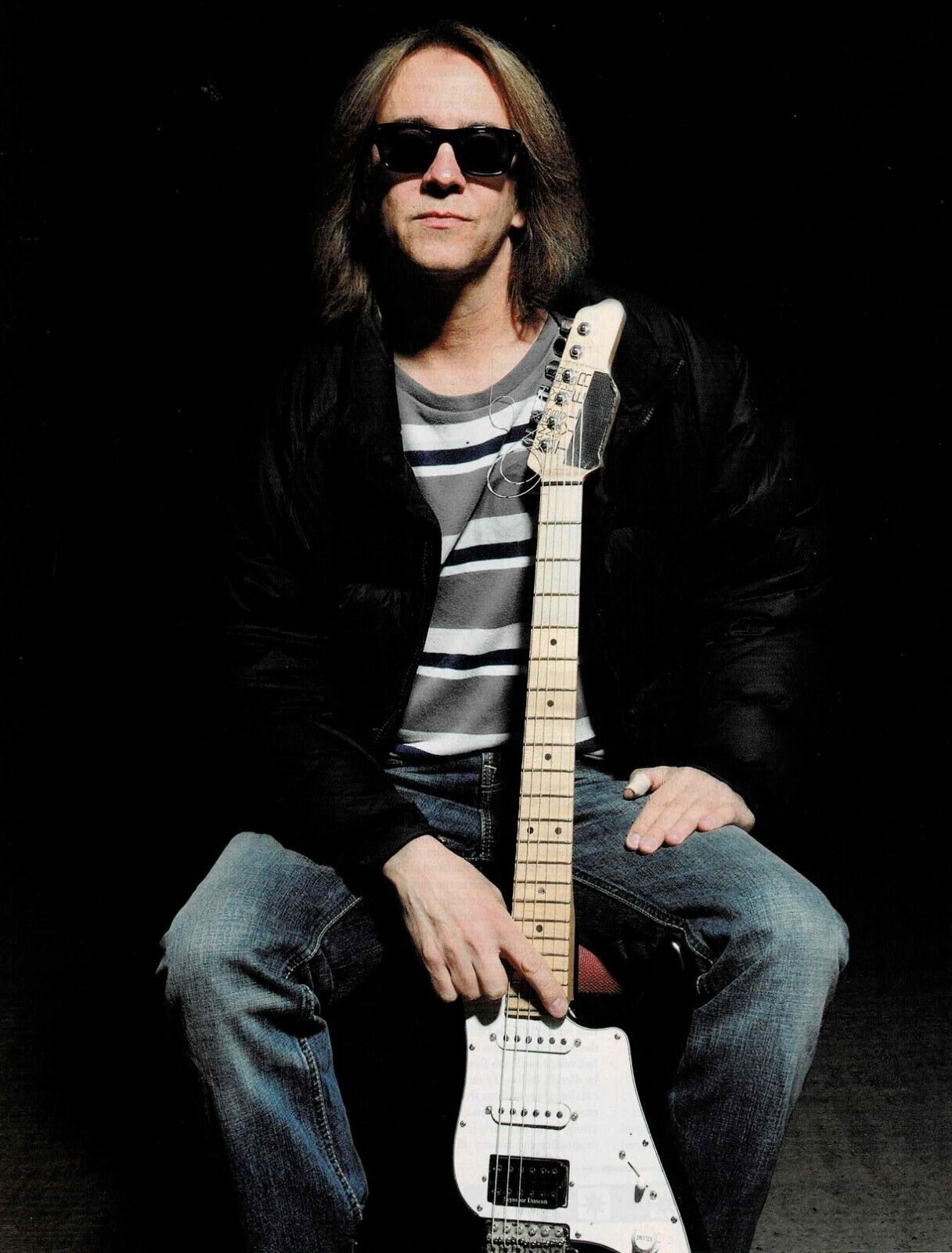
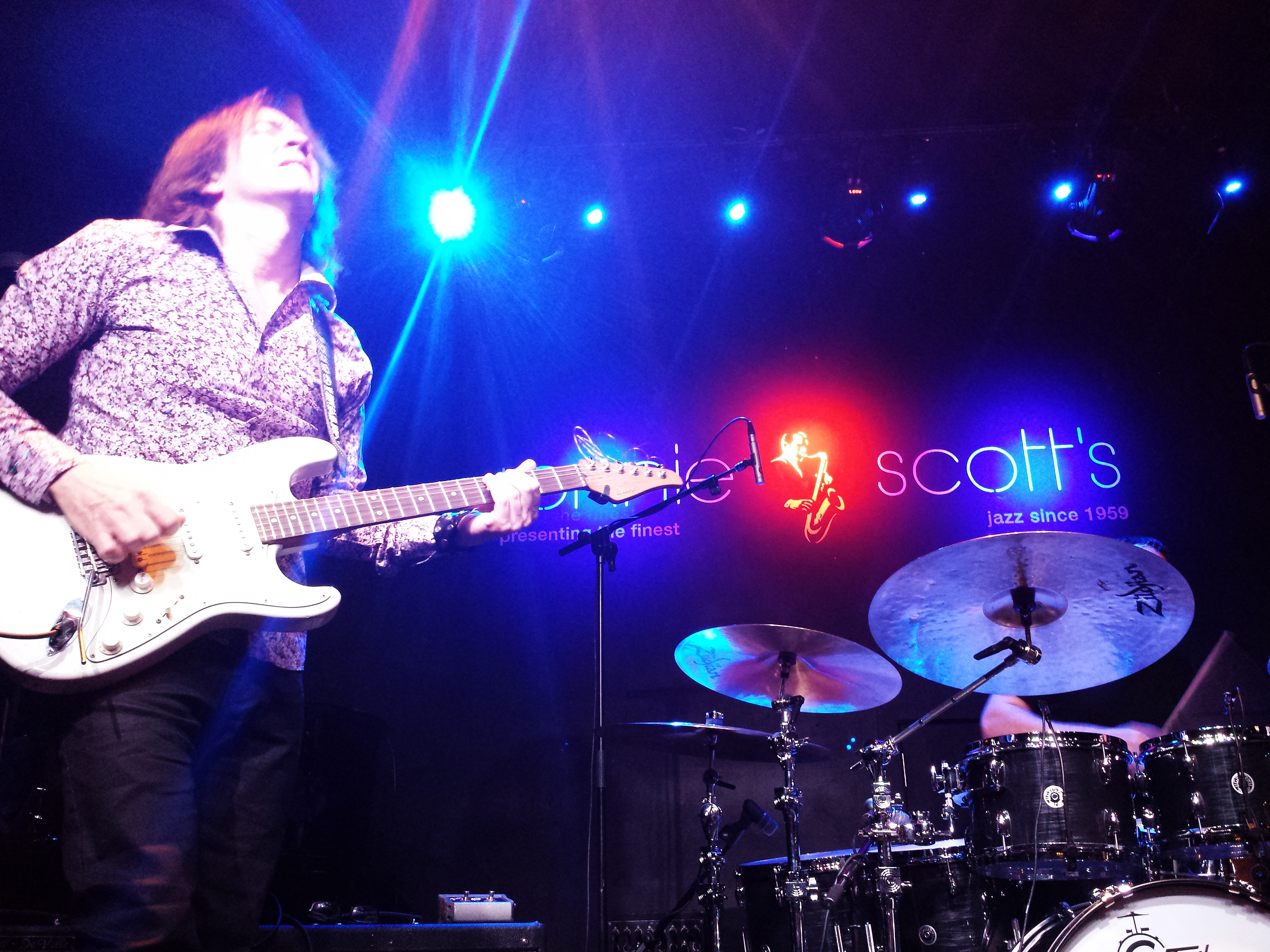
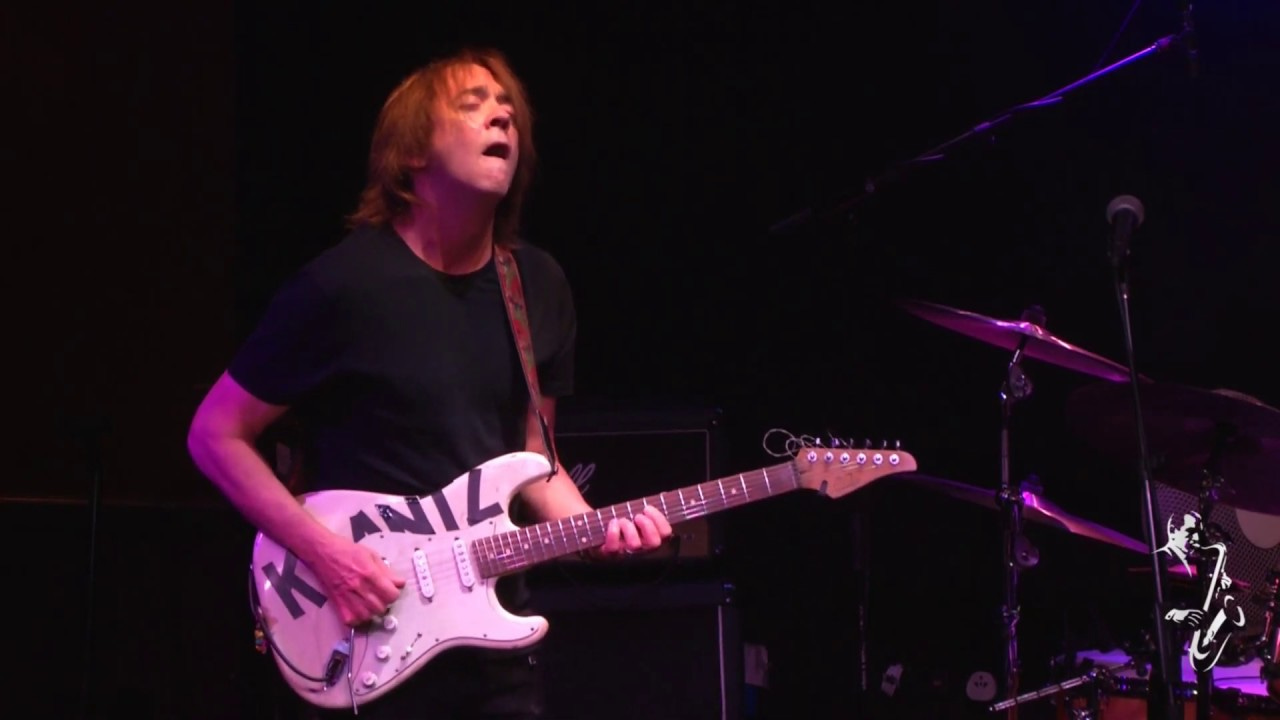
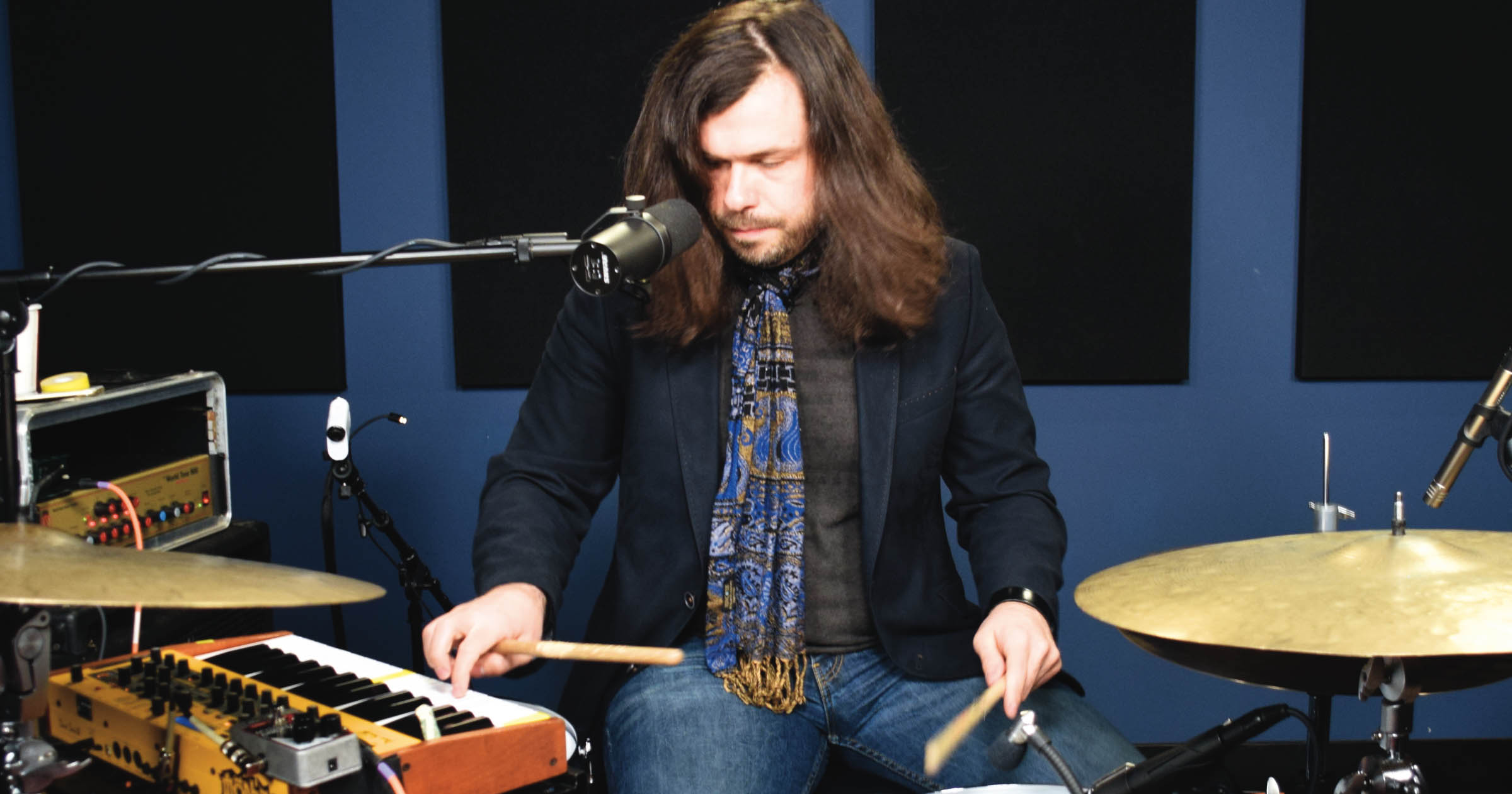
 Wayne Krantz was born in Corvallis, Oregon. He released his first album, Signals, in 1990, sporting an array of recognized jazz musicians such as Dennis Chambers, Don Alias, Anthony Jackson, and others.
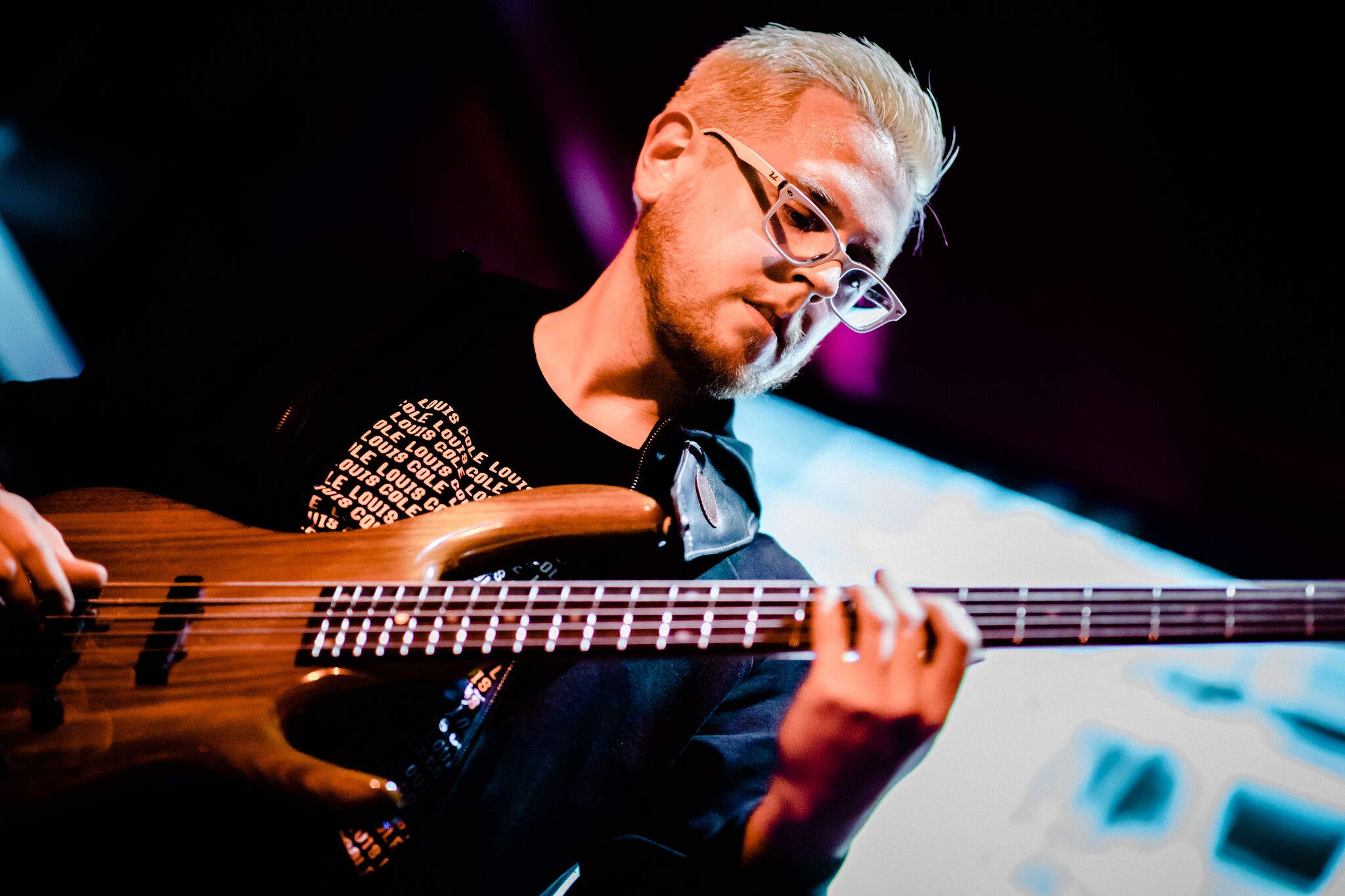
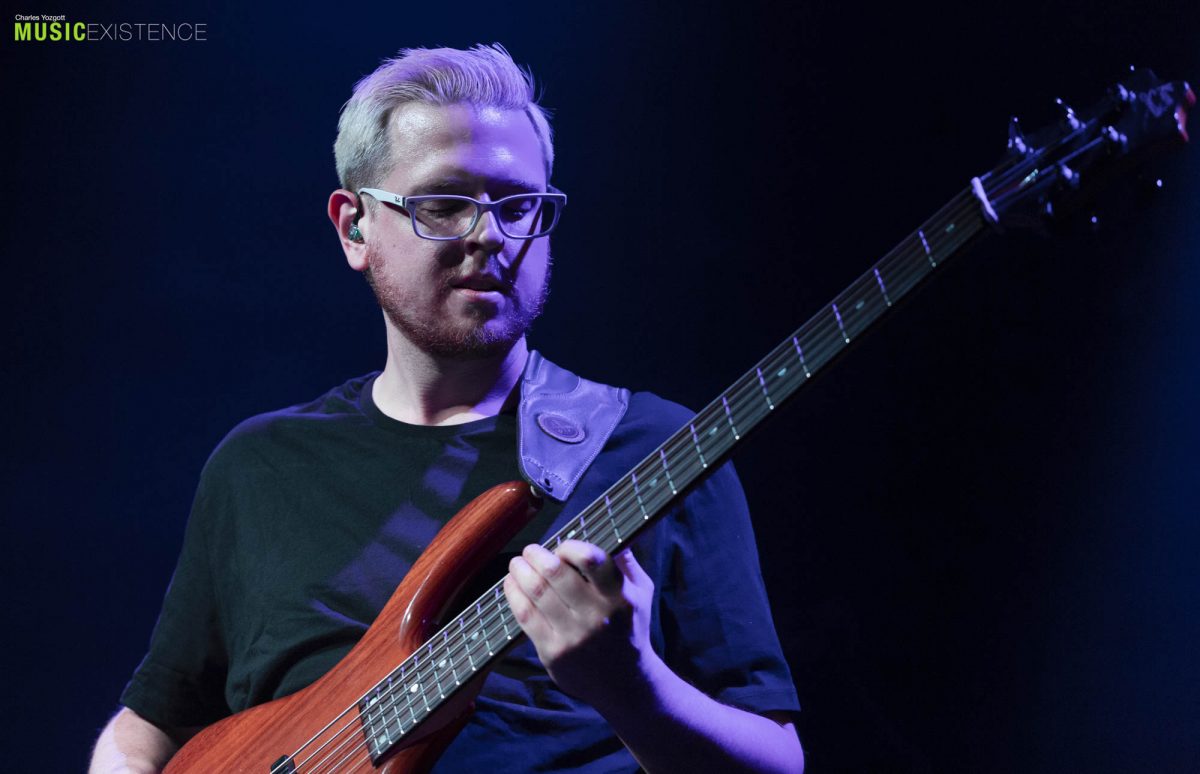
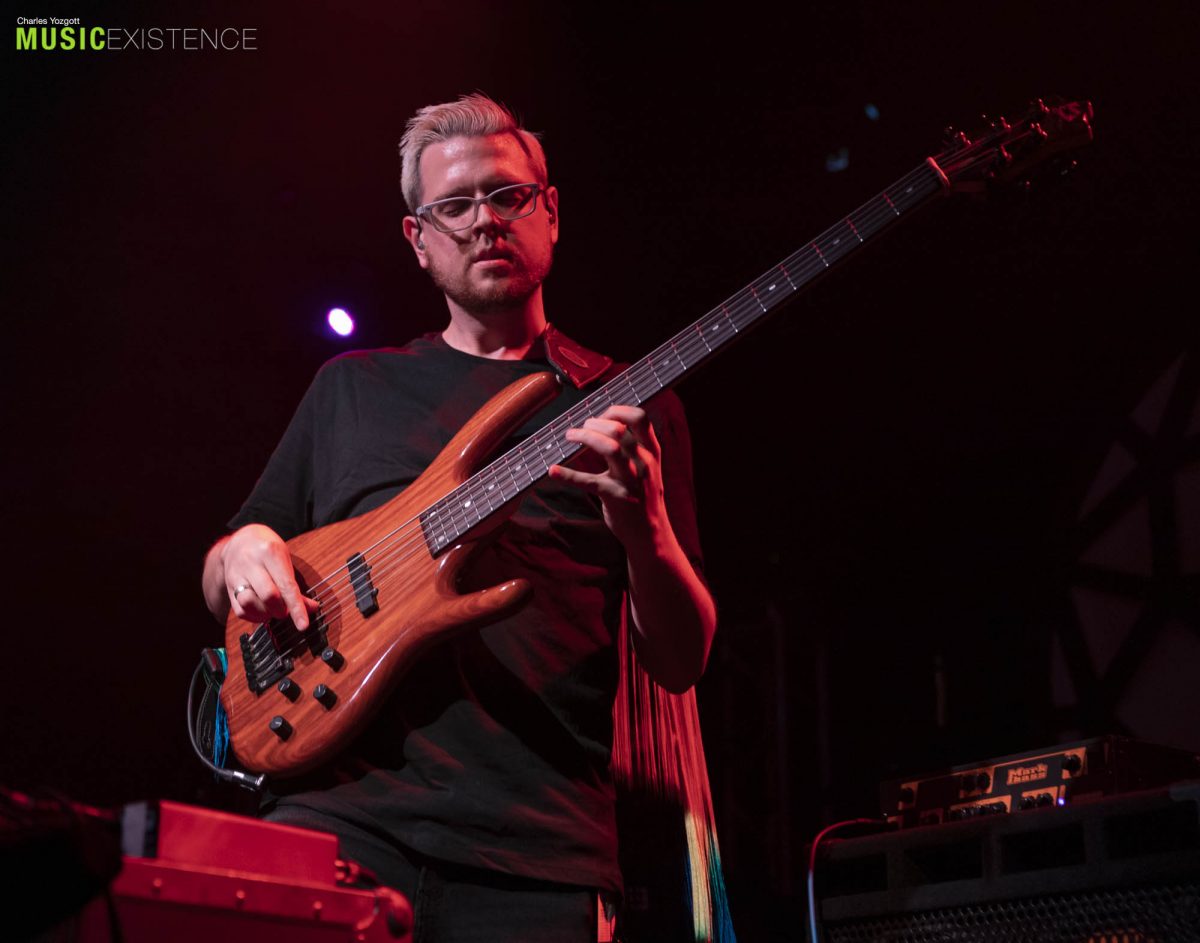
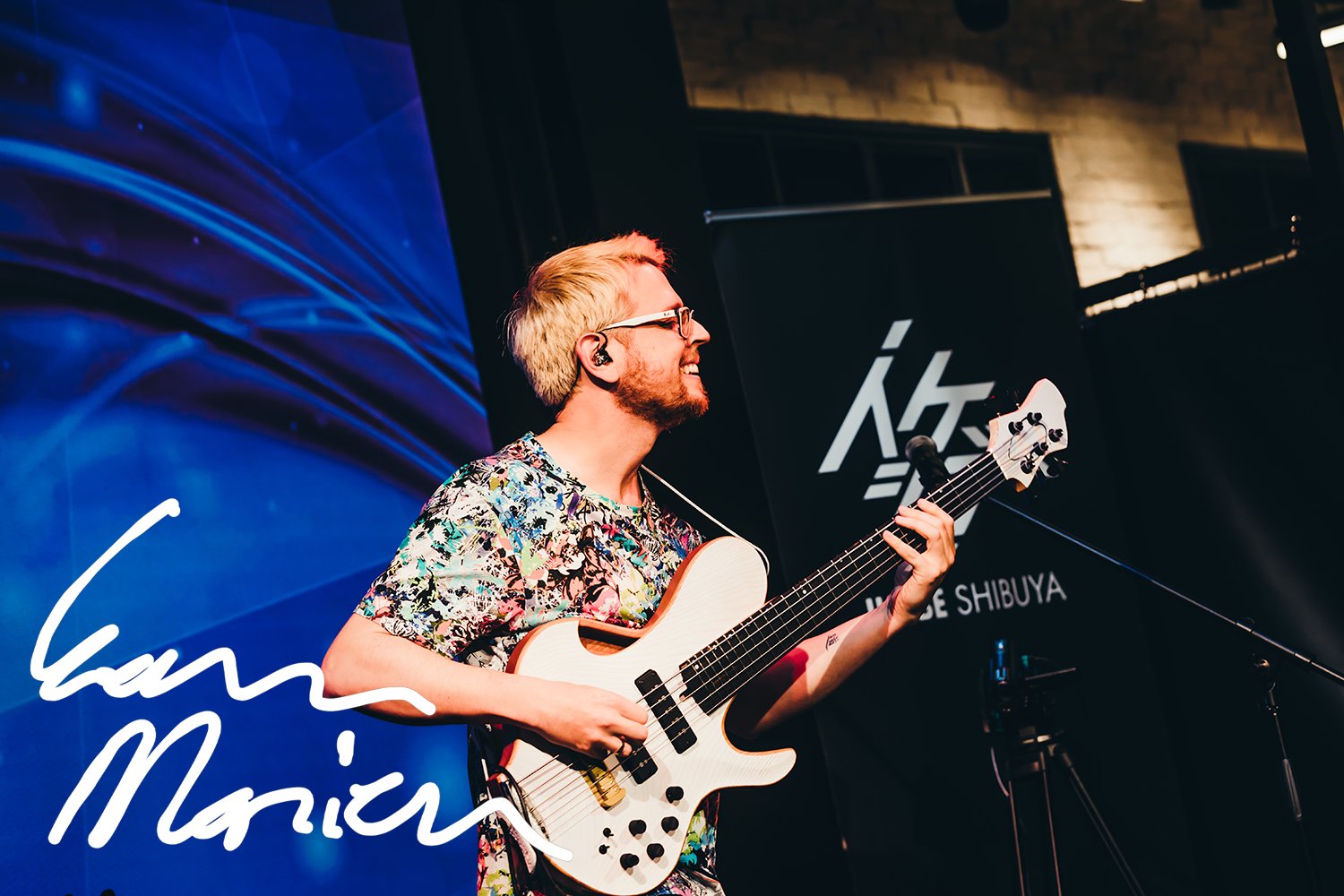
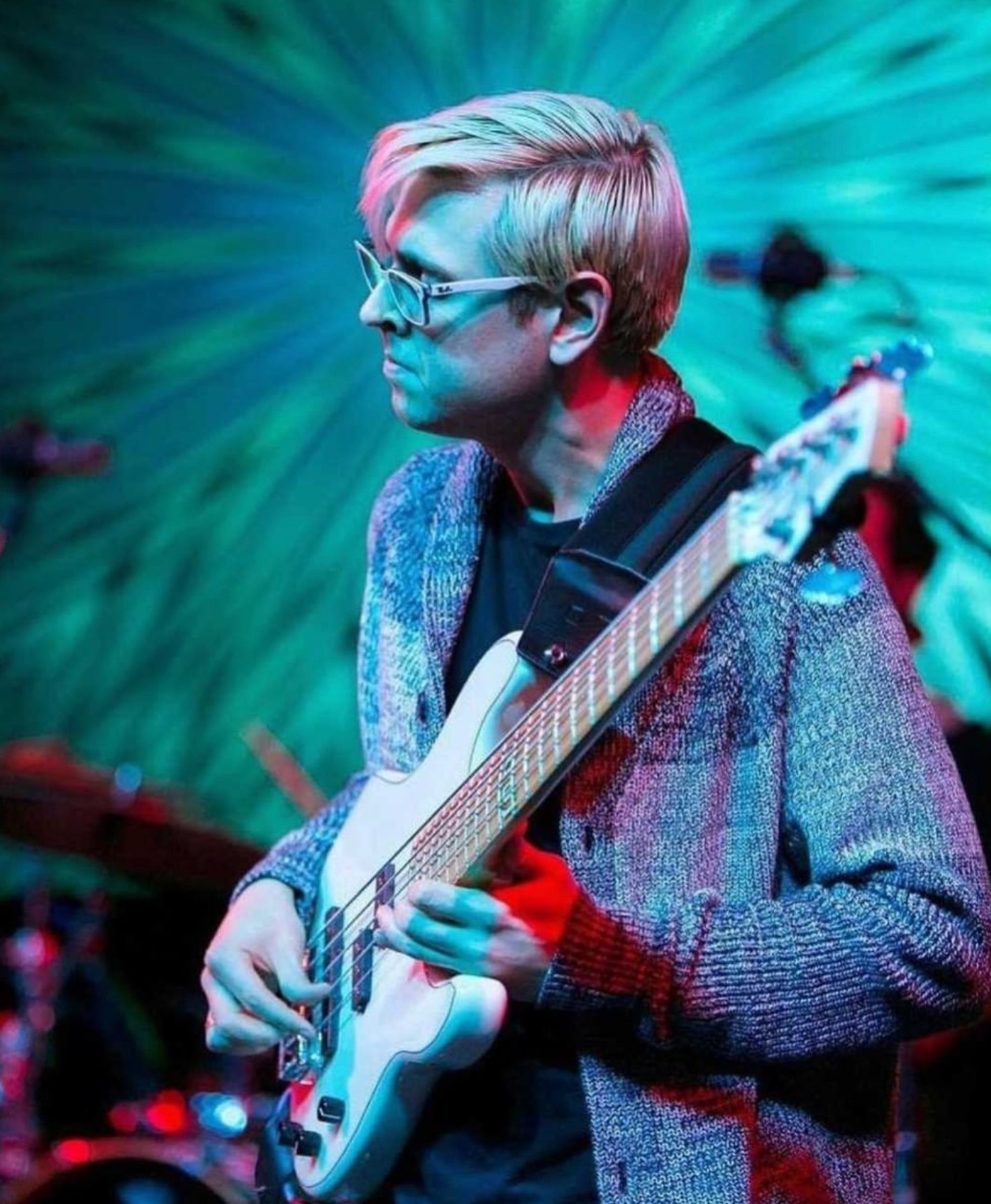
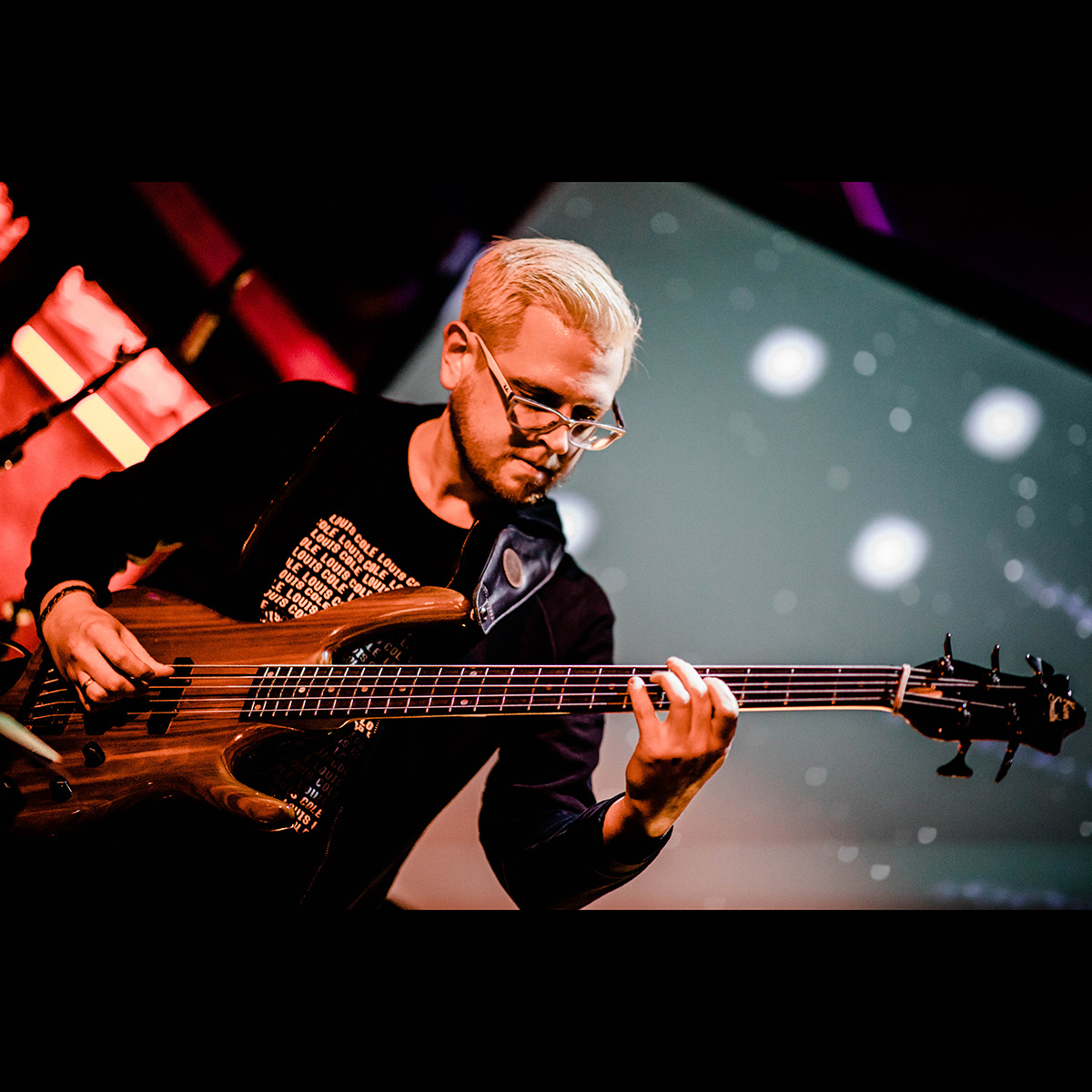
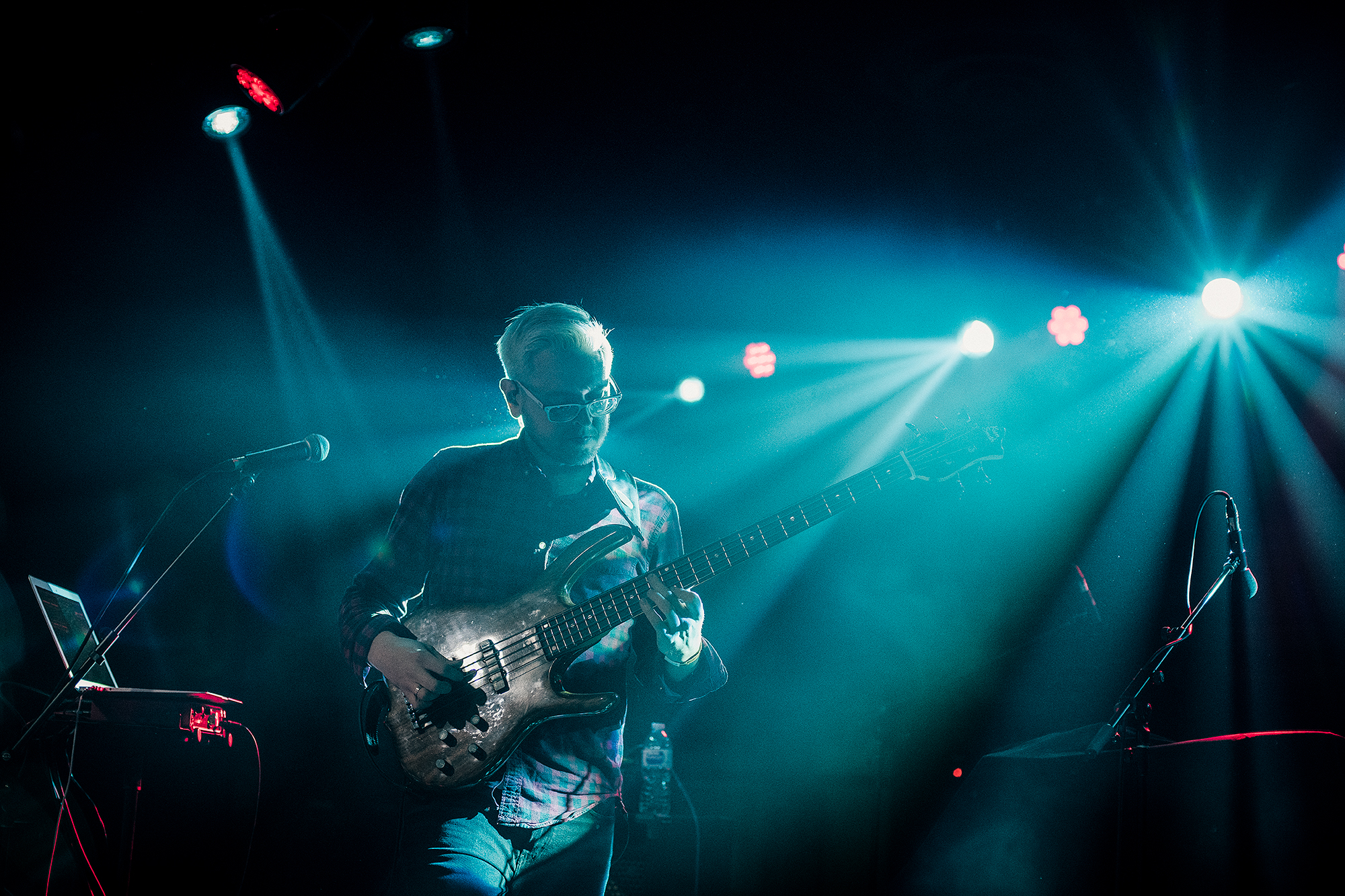
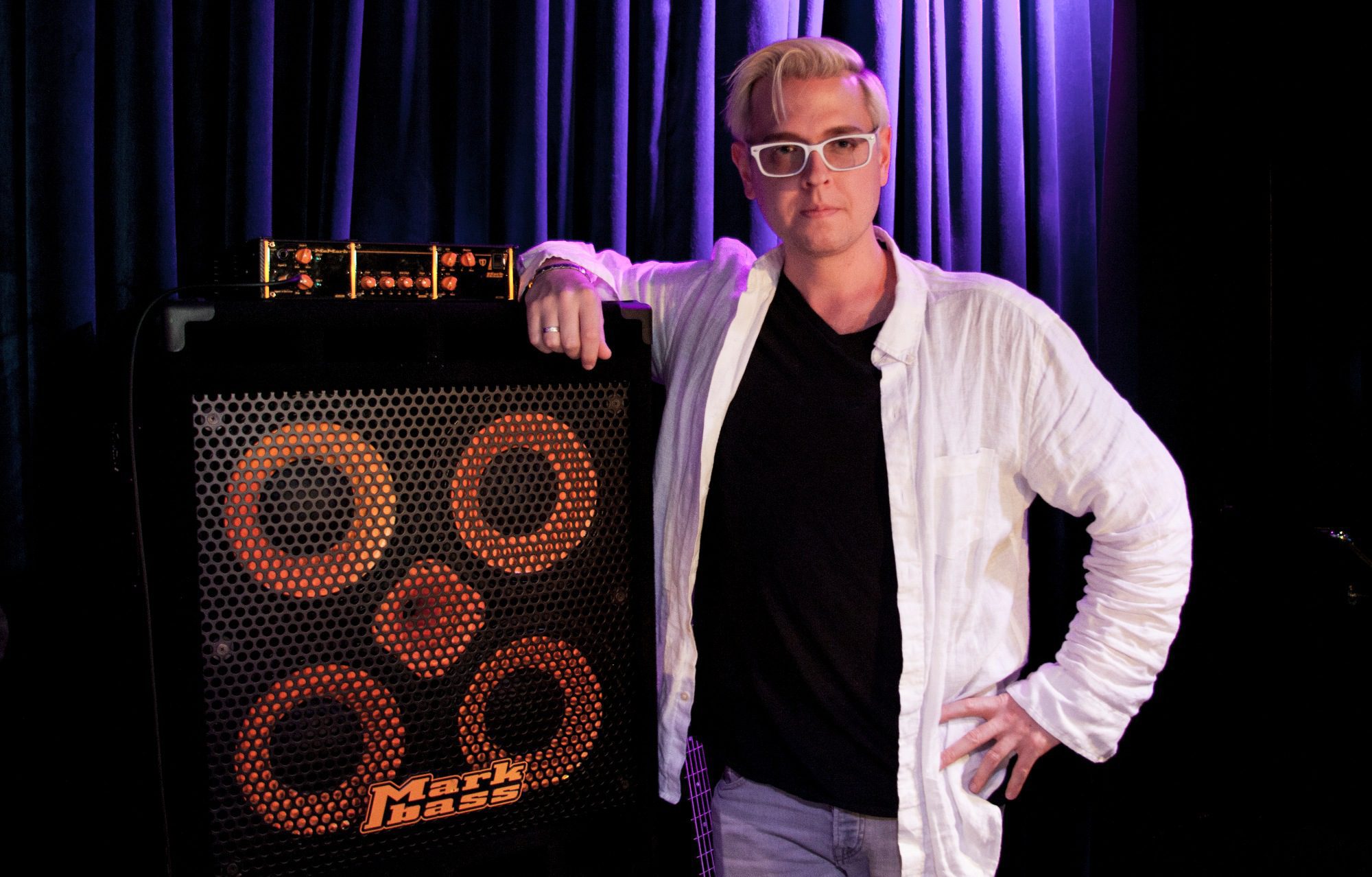
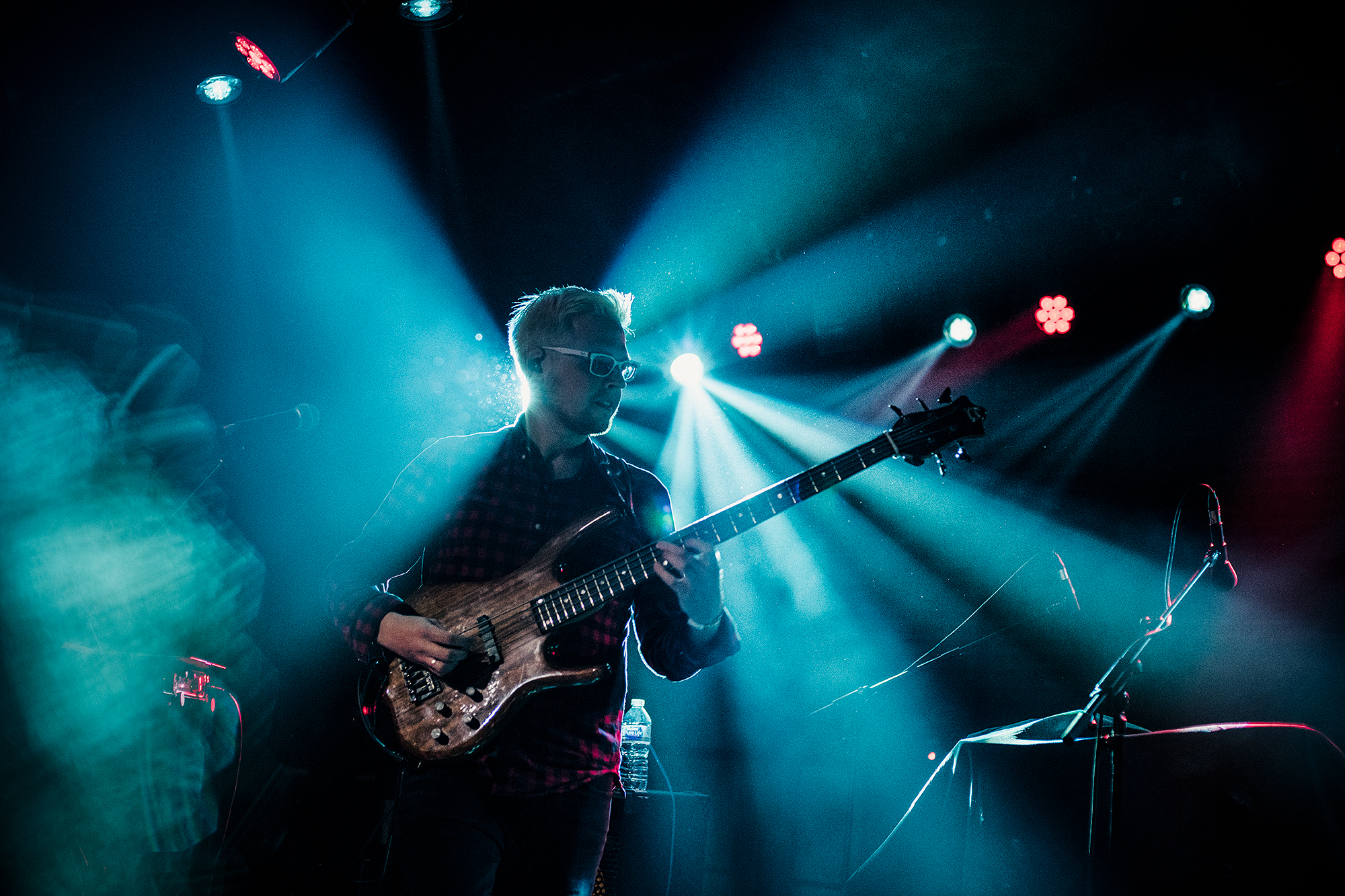
 Evan Marien is an award-winning bassist, composer, producer, author, educator, and 3D artist, born and raised in the cornfields of Decatur, Illinois. He graduated from Berklee College of Music in 2009 and has lived in the NYC area since 2010.
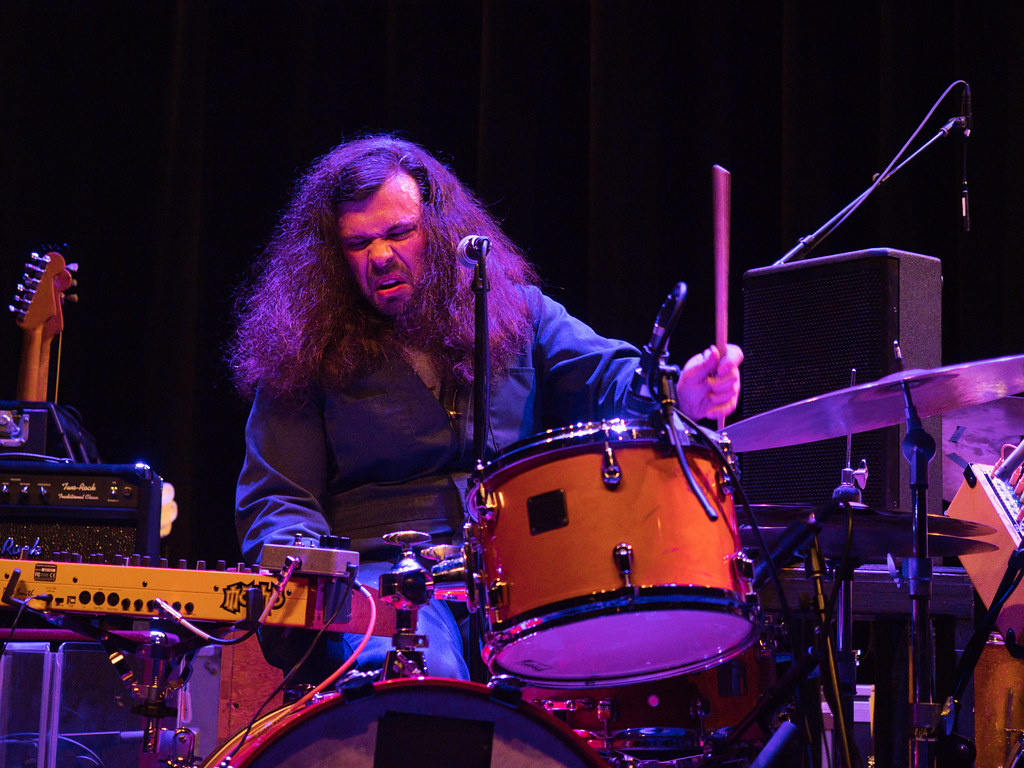
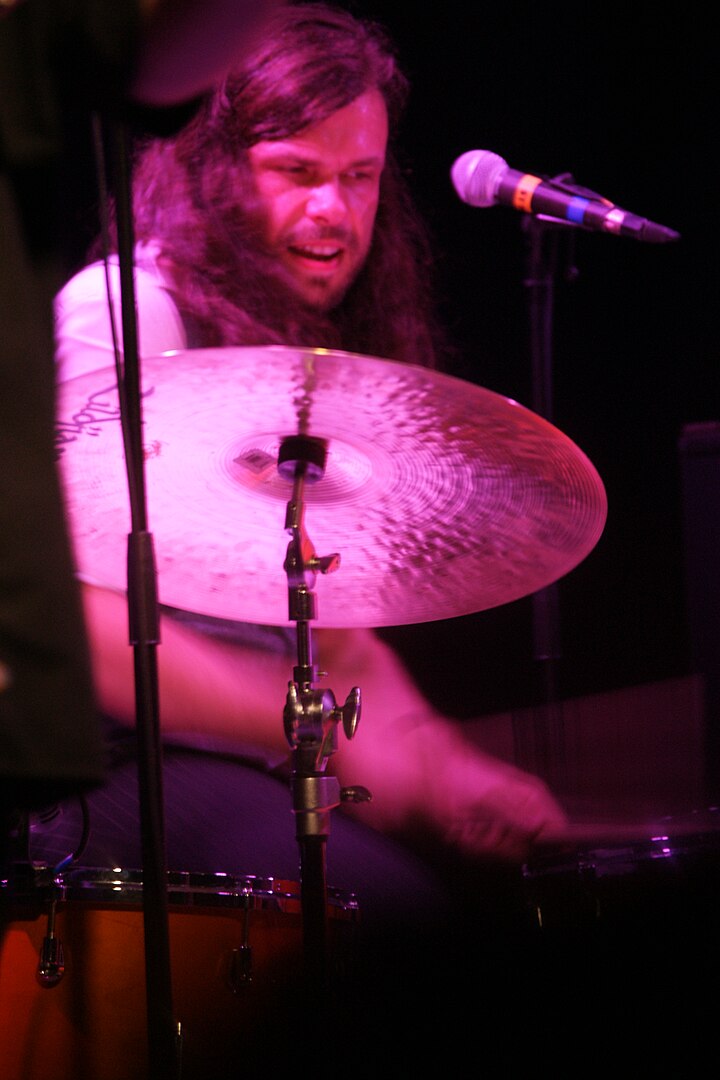
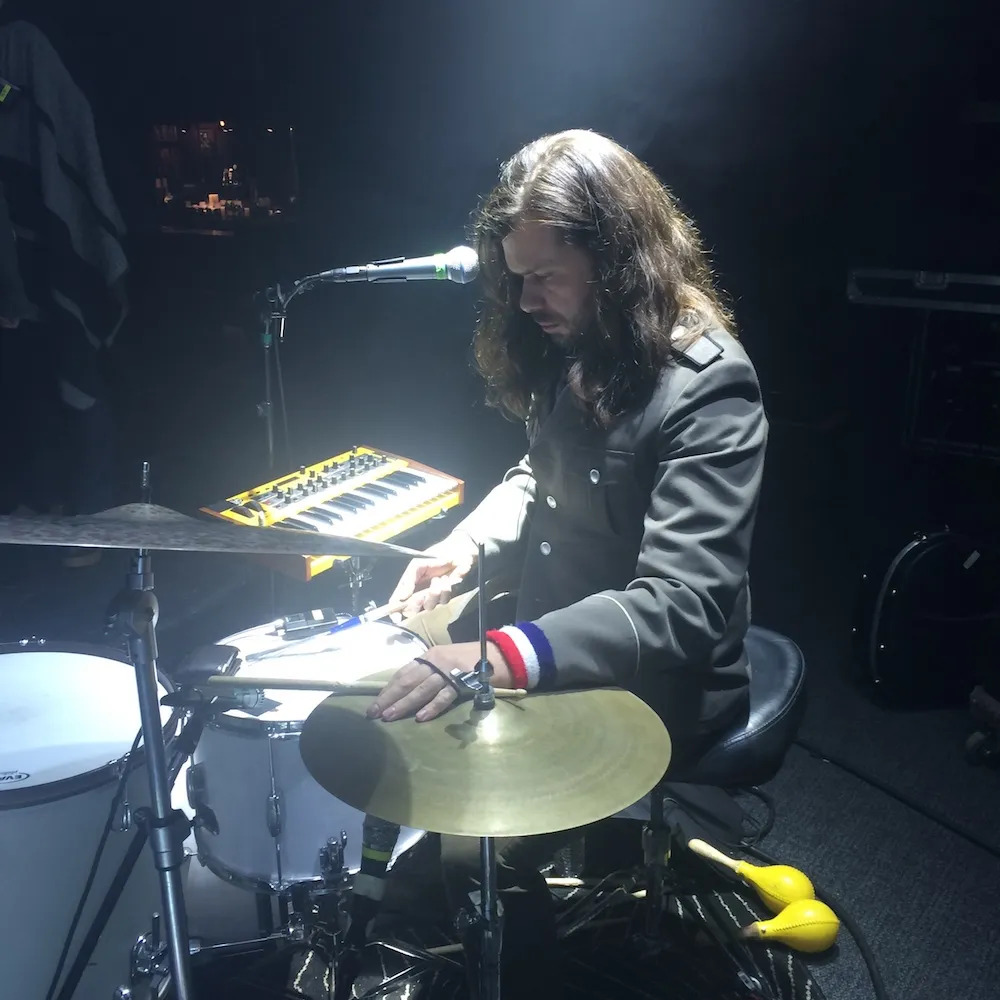
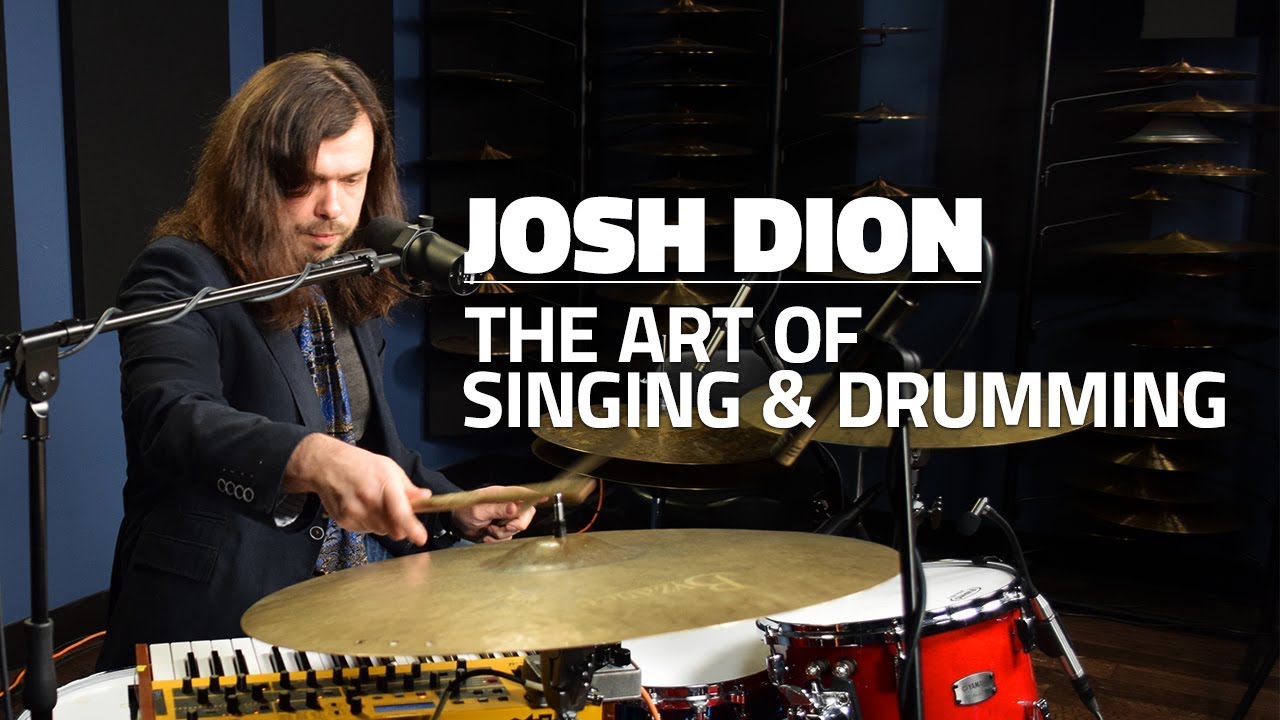
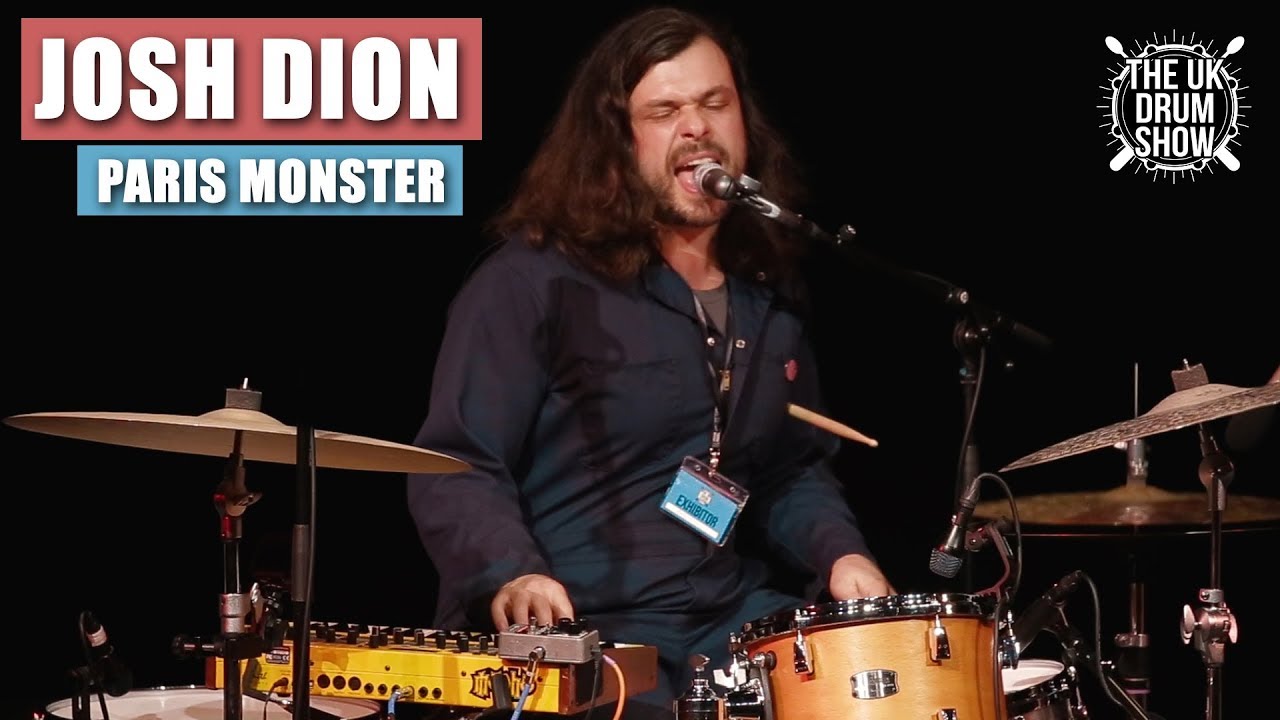
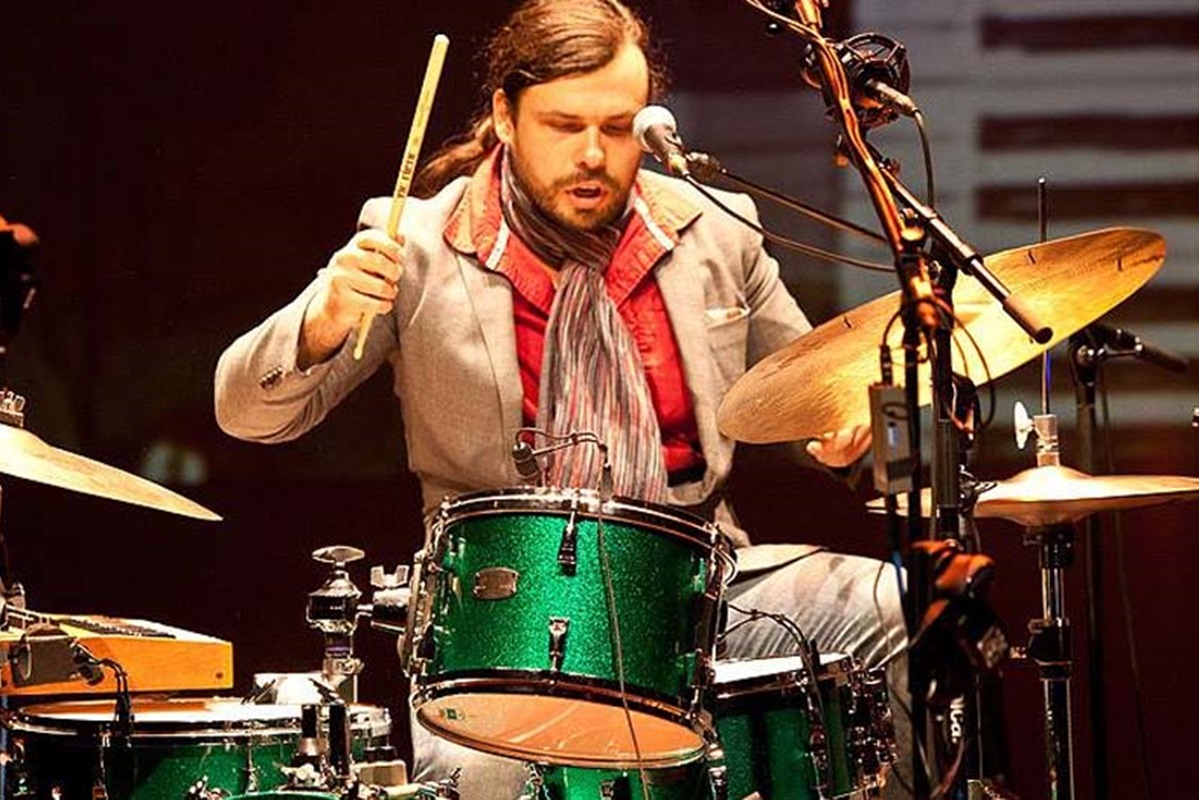
 Josh Dion was born at the tail end of the disco funk era, when popular radio bore the sounds of Quincy Jones, Michael Jackson, and ‘four on the floor’ drum beats! Raised in Storrs, CT, Josh started playing his father’s drums before he even started kindergarten. He grew up playing drums to the simple and beat driven sounds of Nick Mason and Ringo Starr. He also lived across the hall from his older brother, who not only followed the Grateful Dead, but introduced him to Cream at the tender age of seven. Rightfully so, Cream, Zeppelin and the Stones led Dion to Willie Dixon, Robert Johnson and beyond.