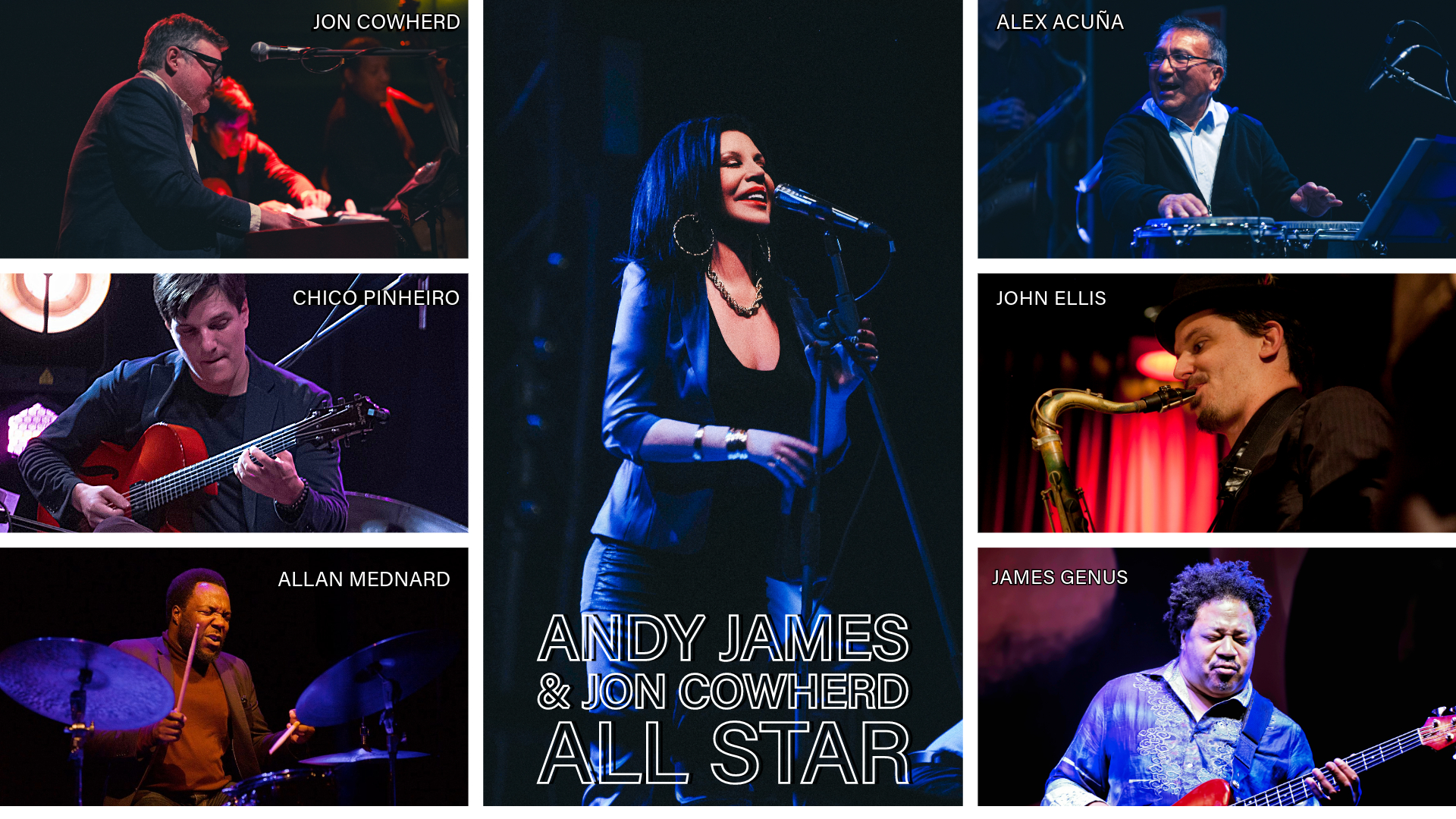
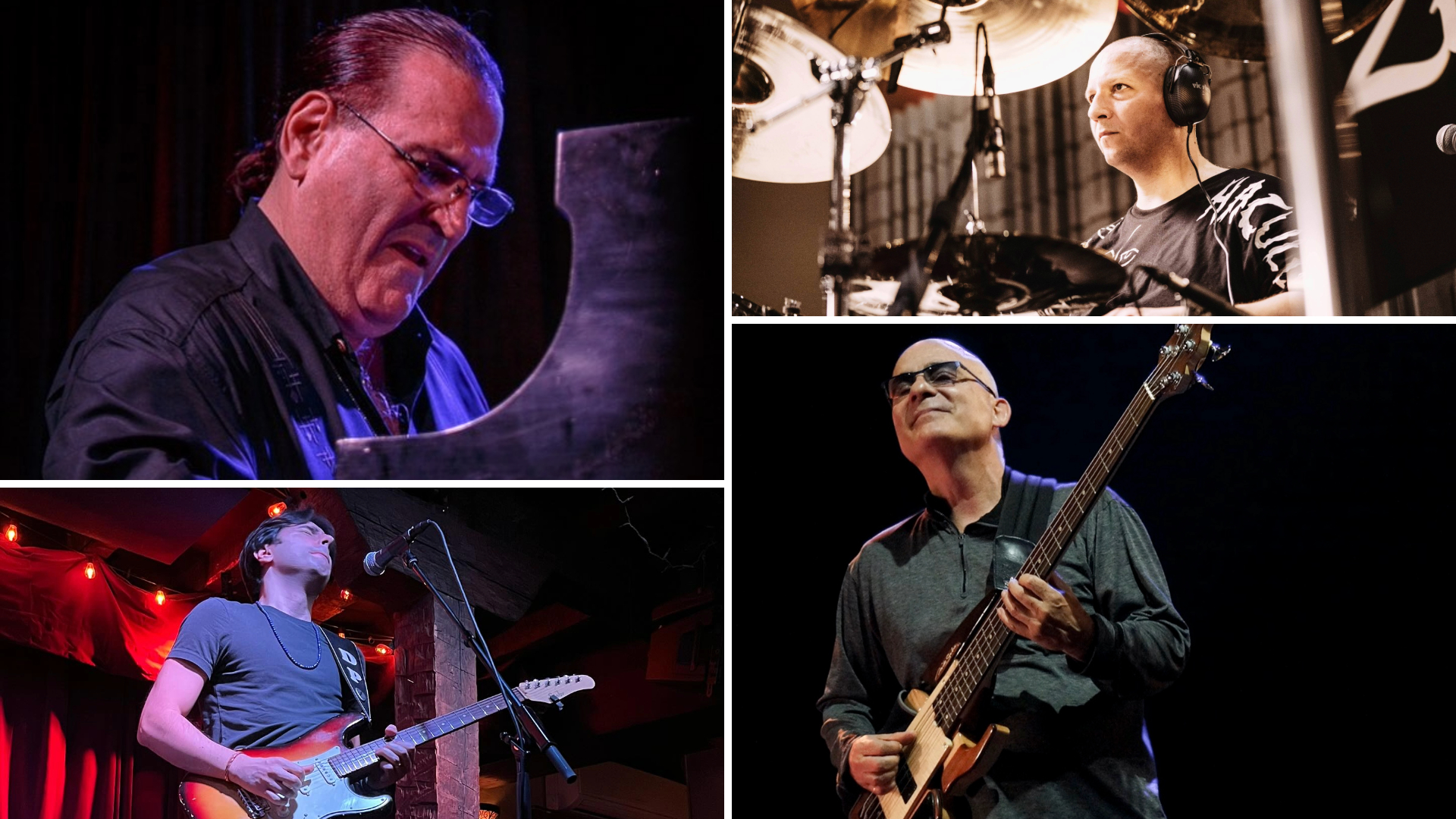



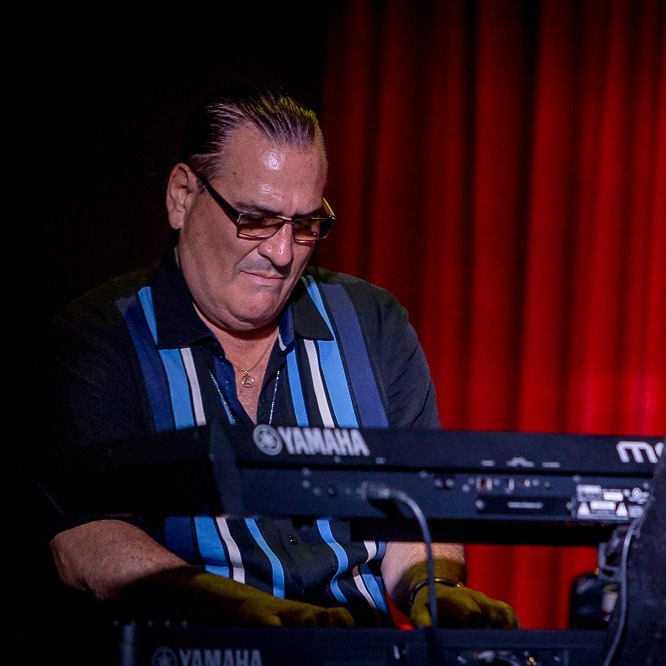
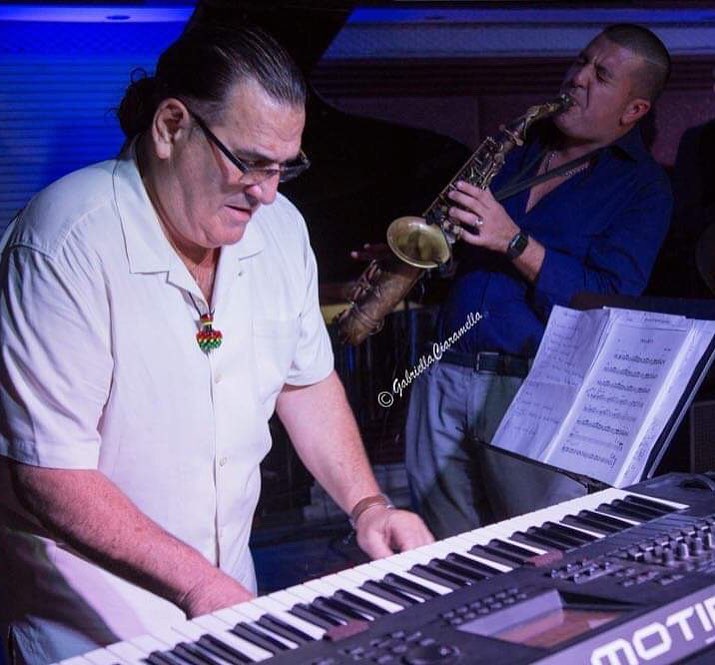
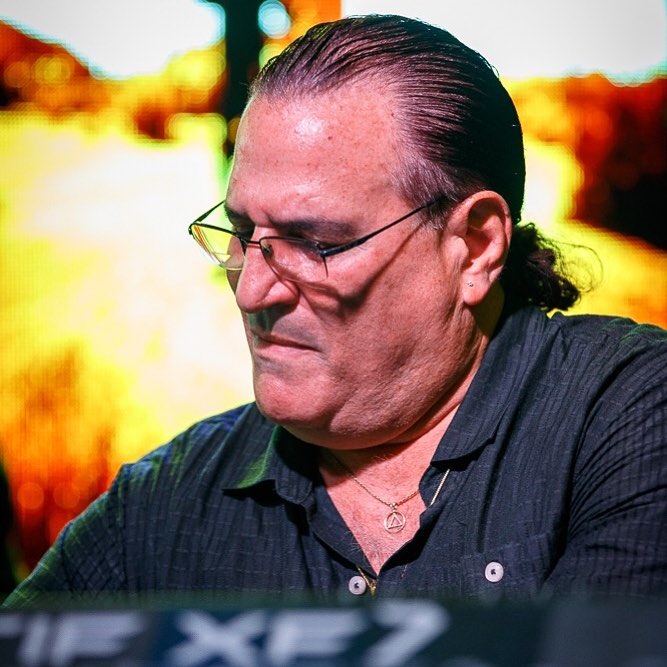
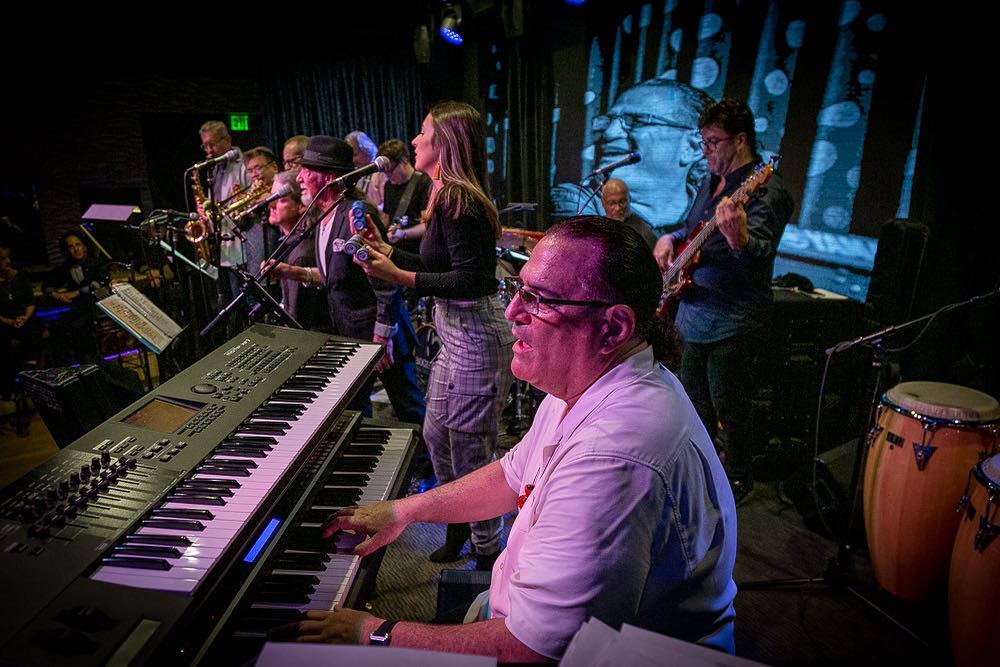
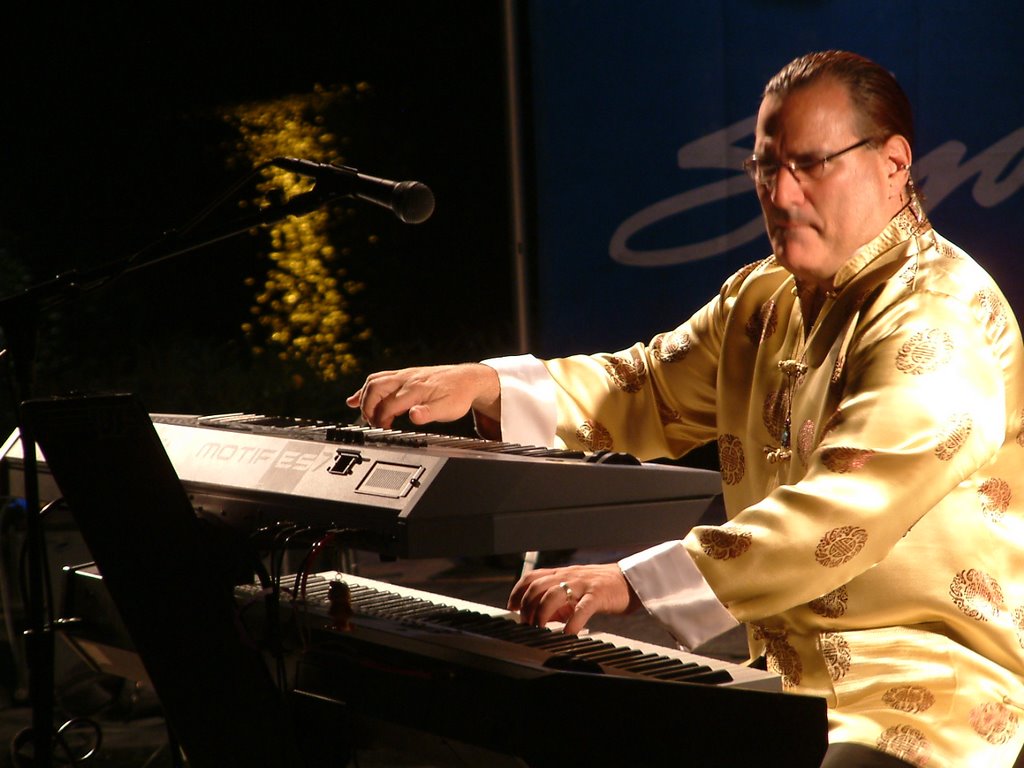

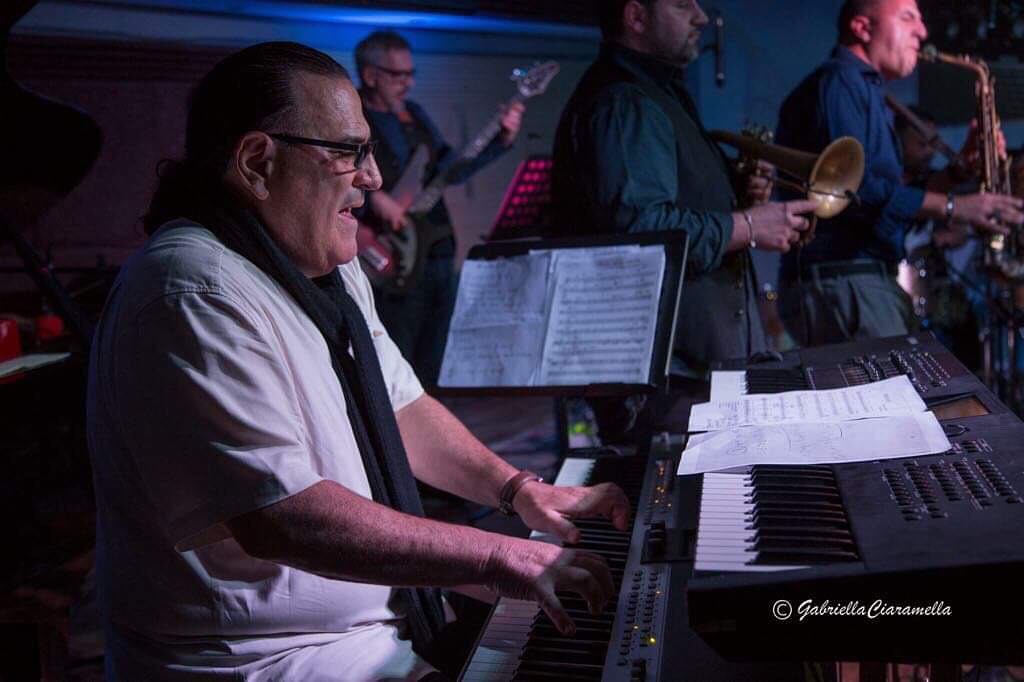
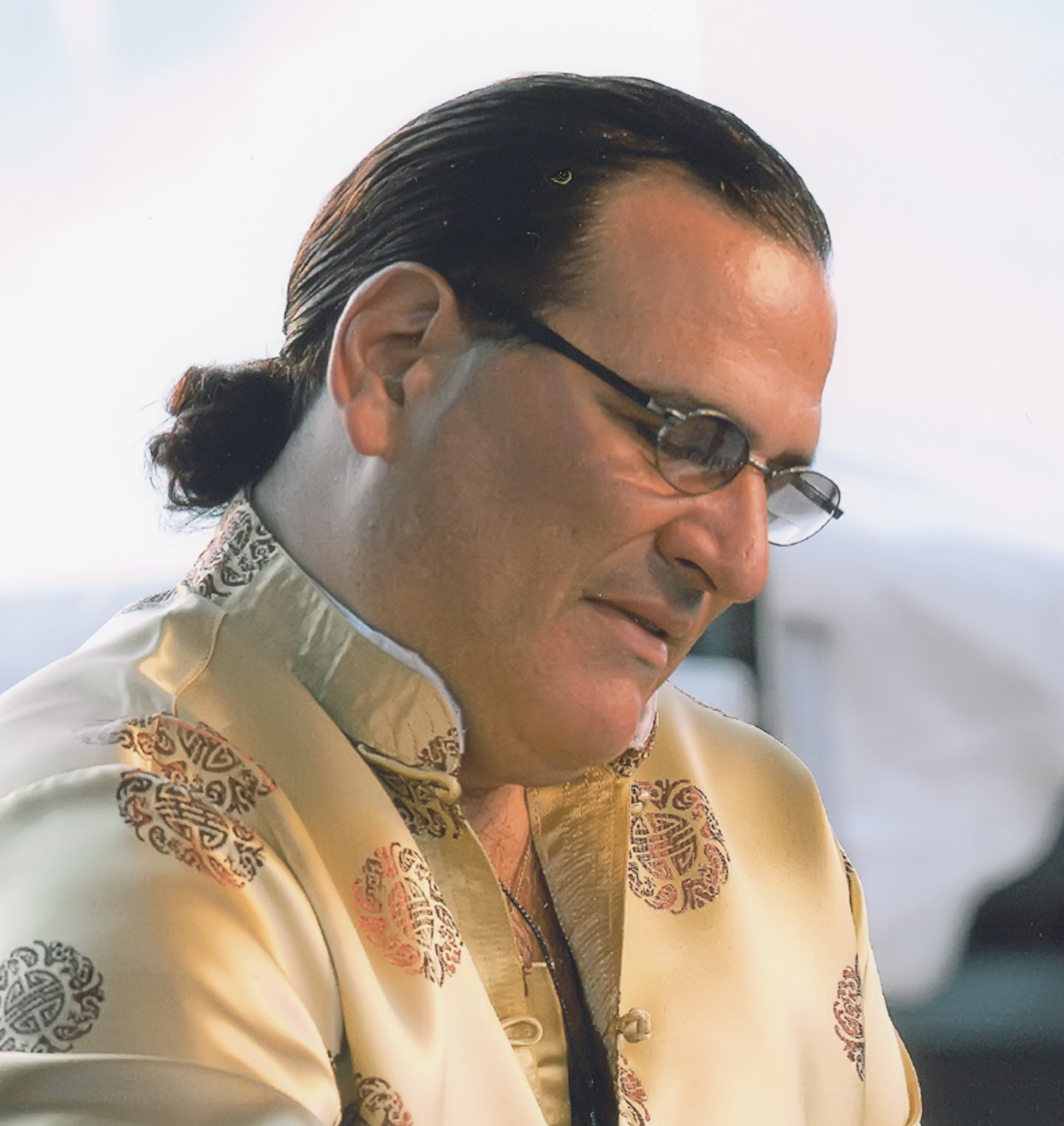
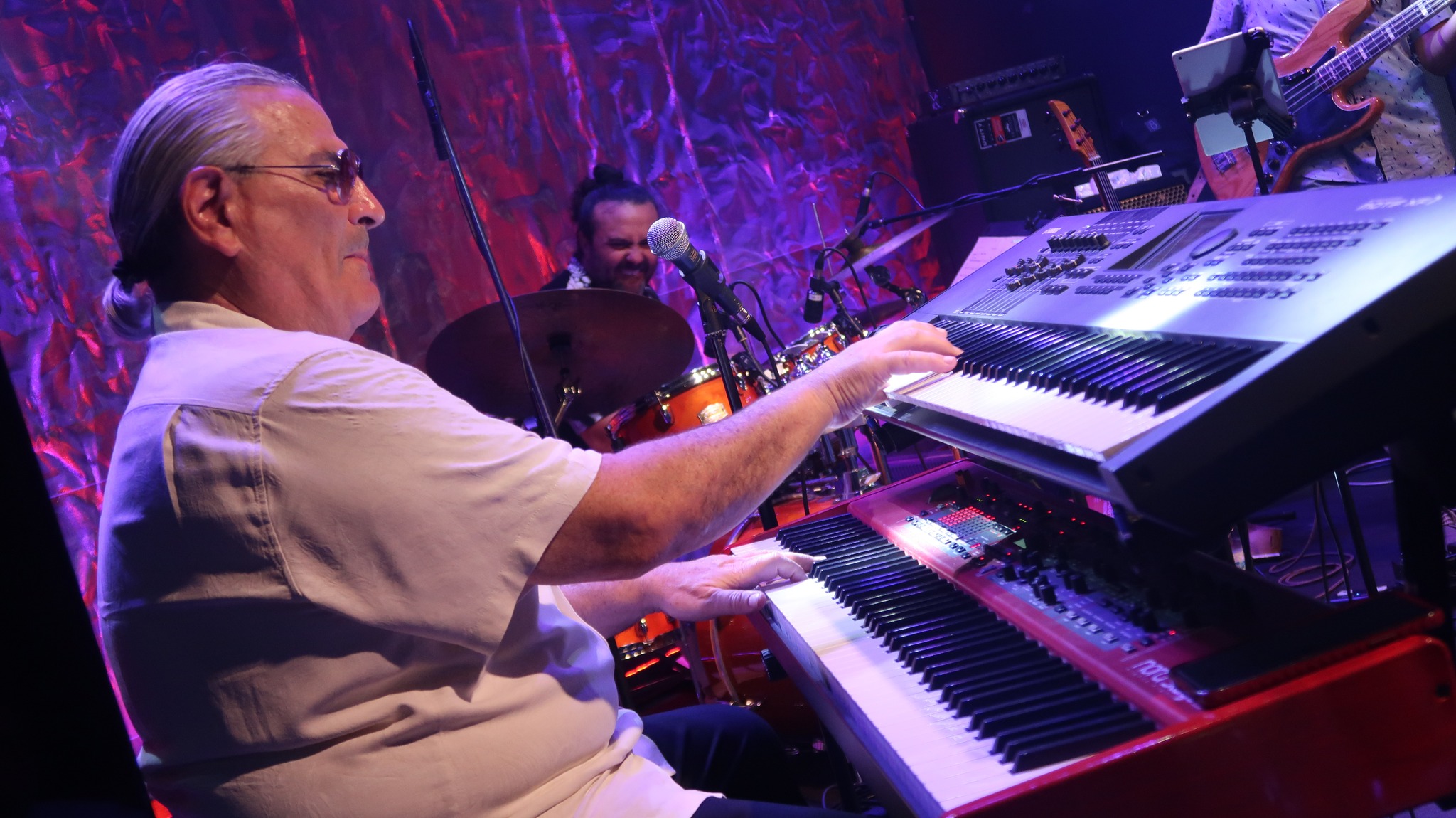
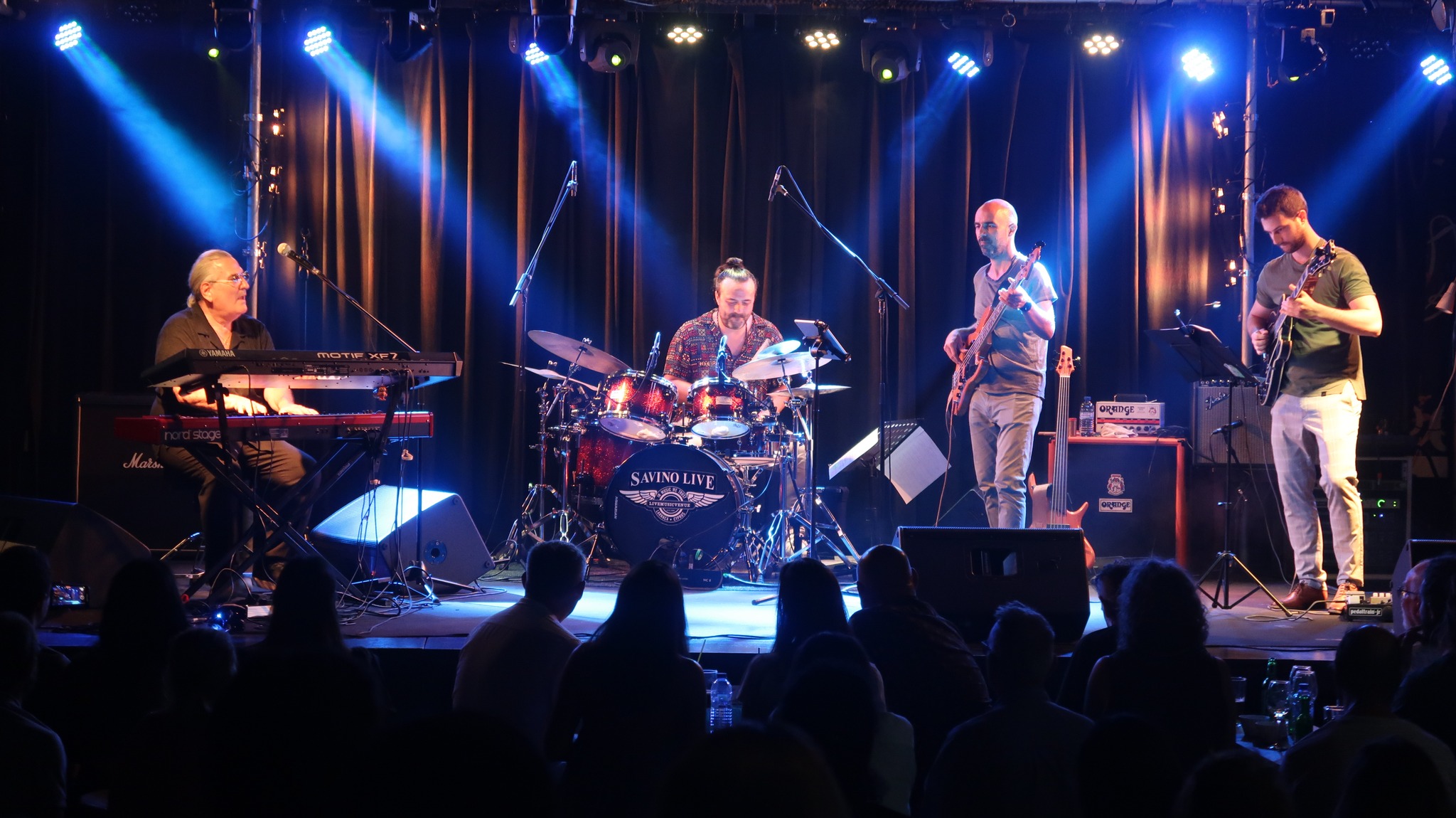
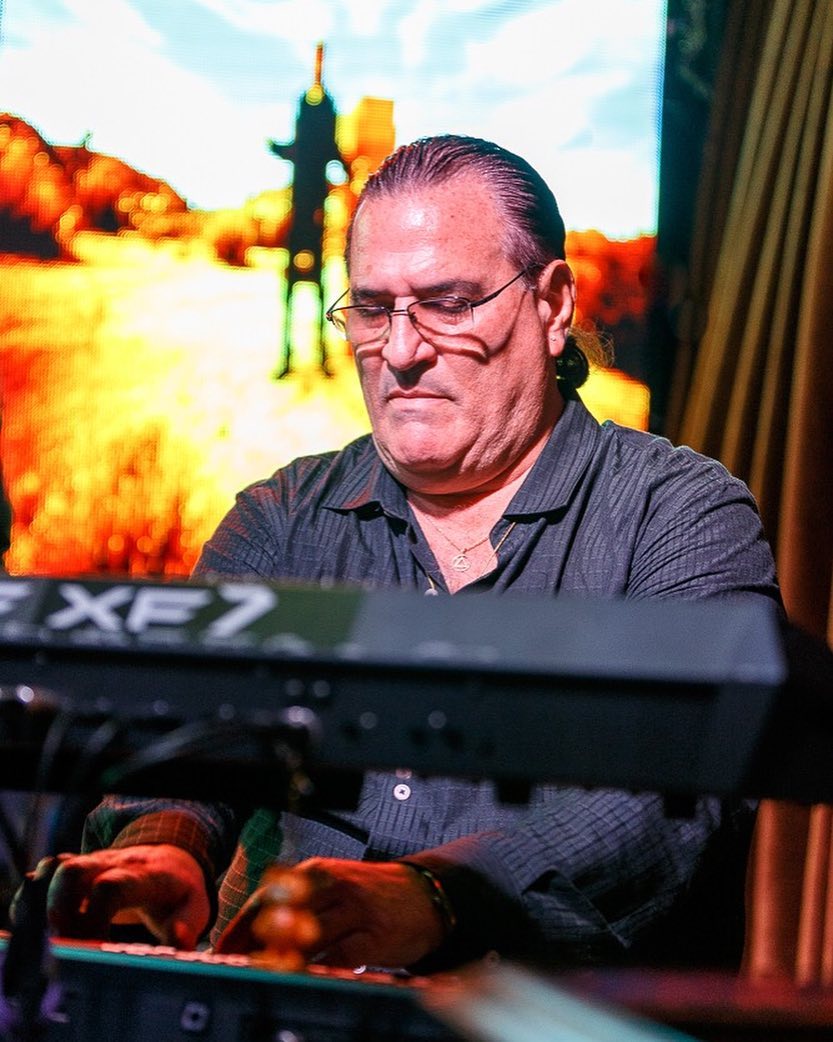
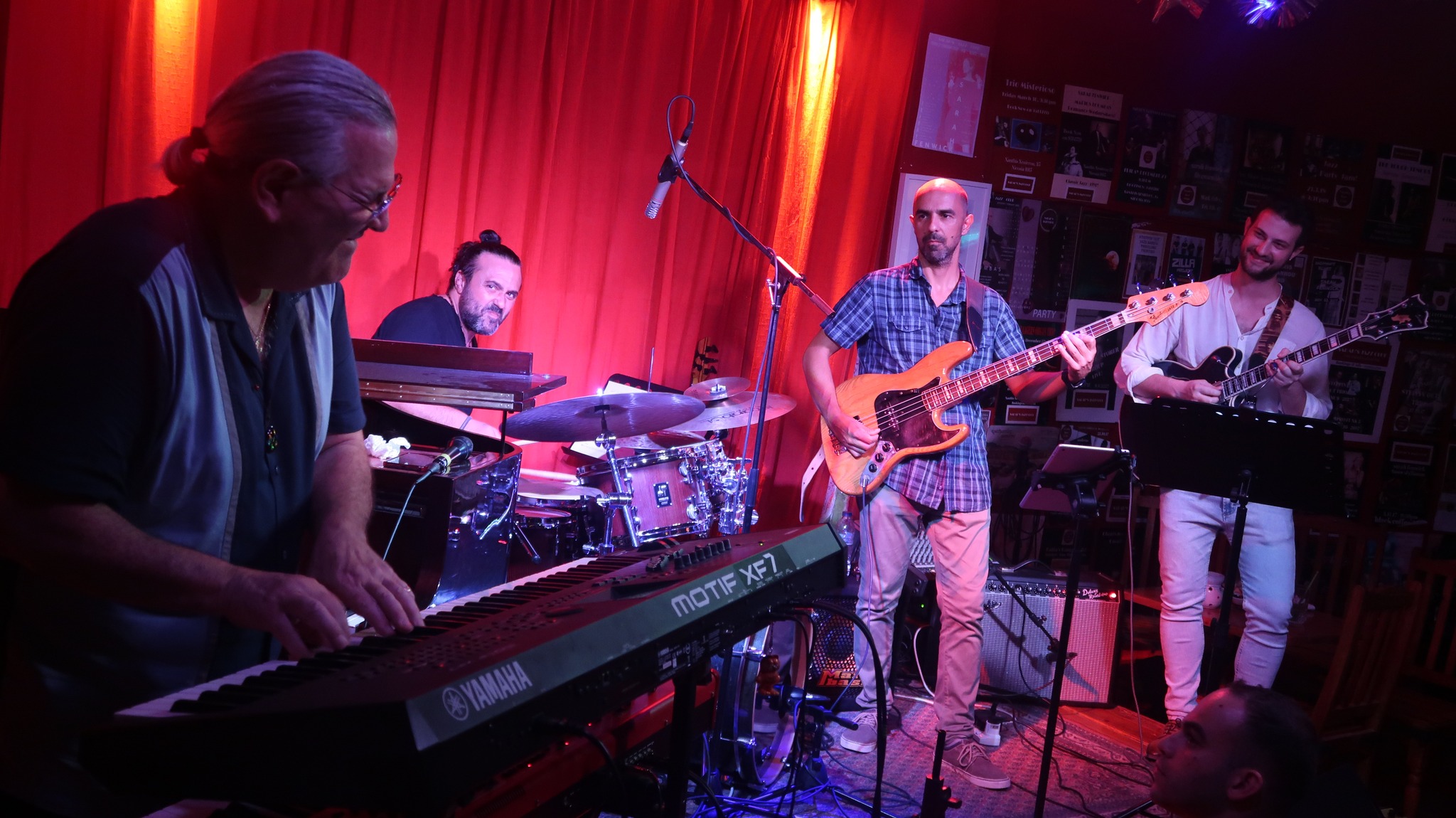
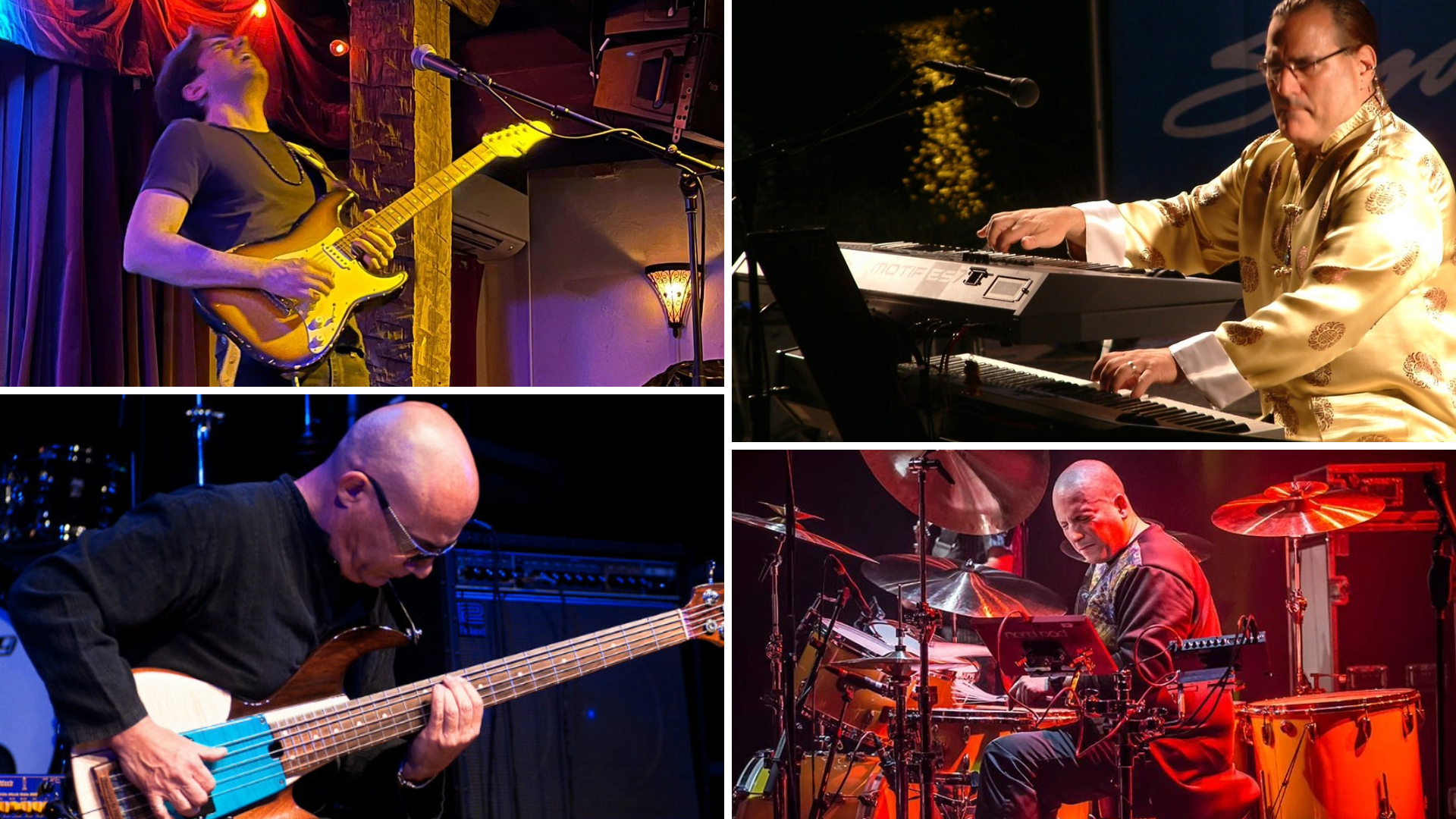


David Garfield | Keyboards
(Eddie Van Halen, Smokey Robinson, Cher, Larry Carlton, Steve Lukather, Spinal Tap, George Benson, The Manhattan Transfer, Eros Ramazzotti, The Rippingtons, Freddie Hubbard, Boz Scaggs, Oleta Adams, Brenda Russell, Natalie Cole, Michael Bolton)
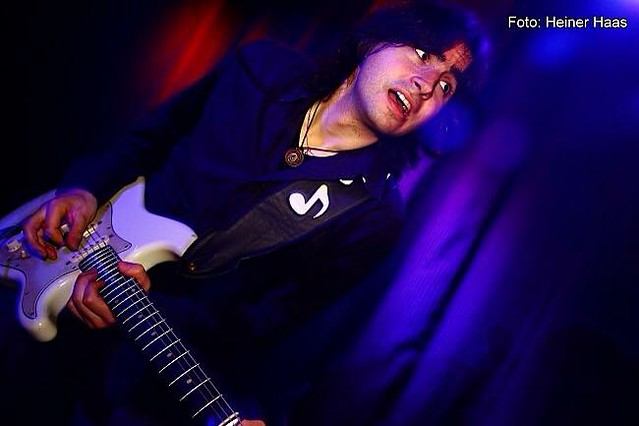
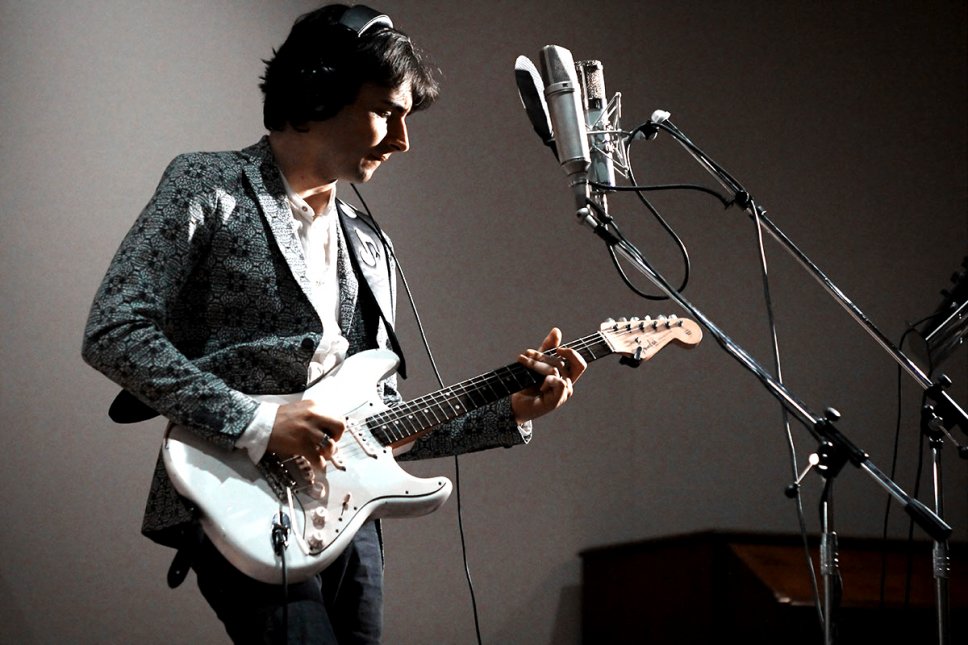
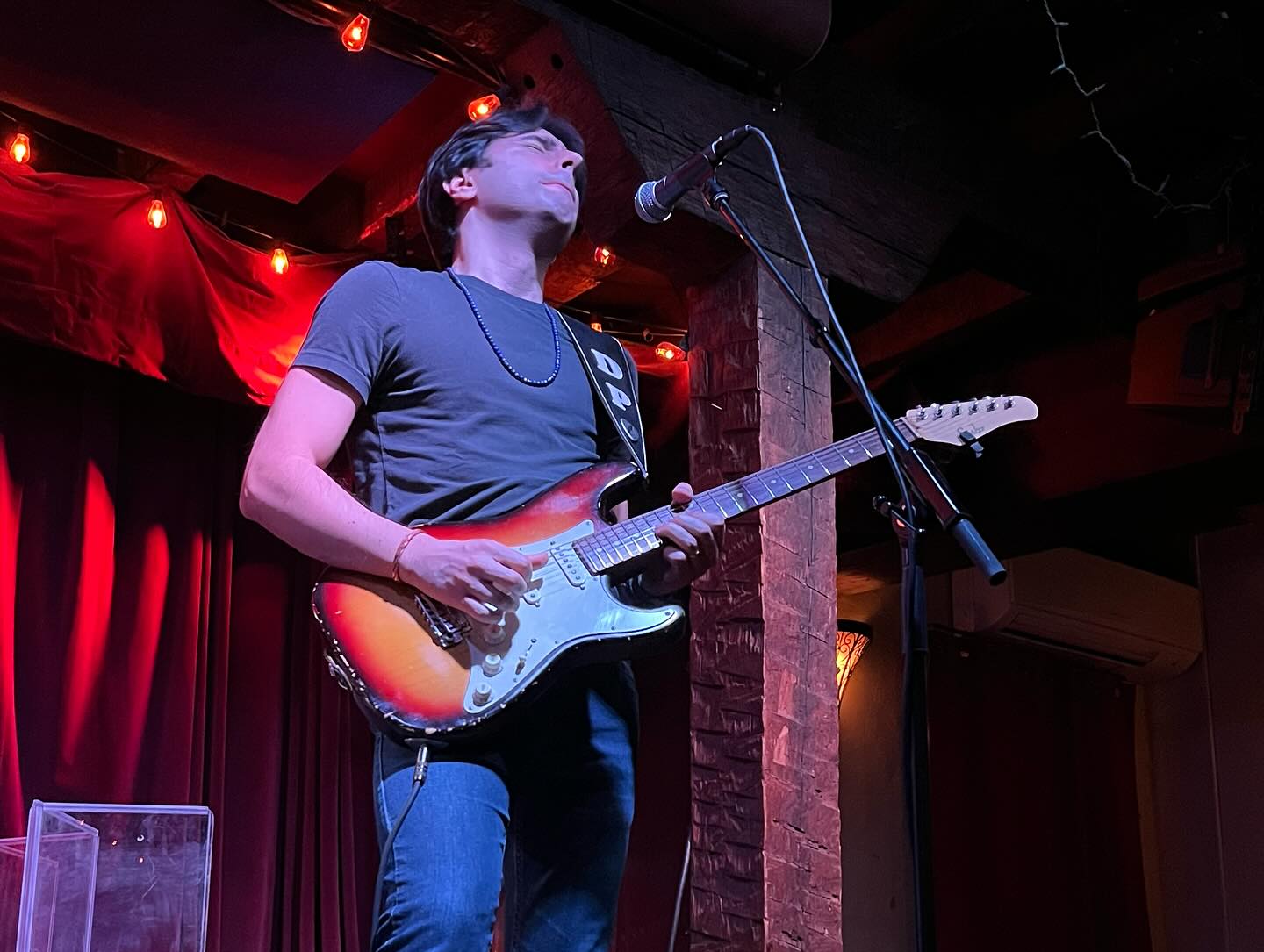
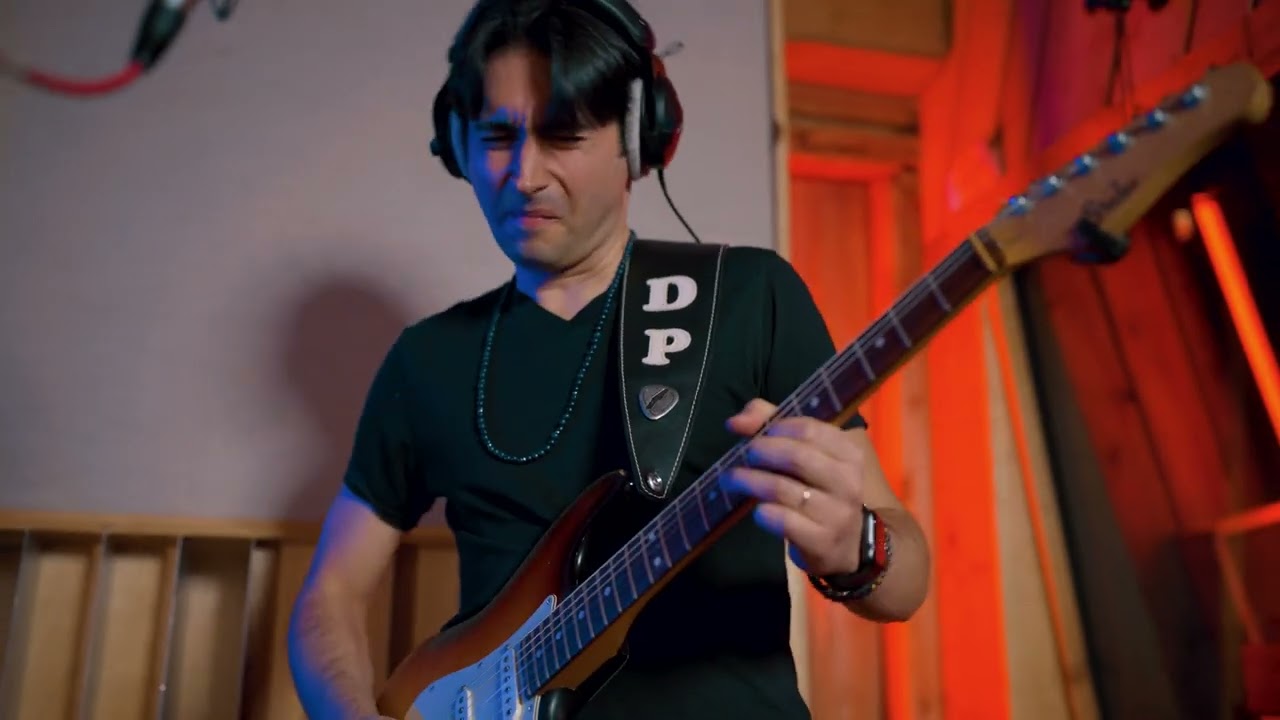
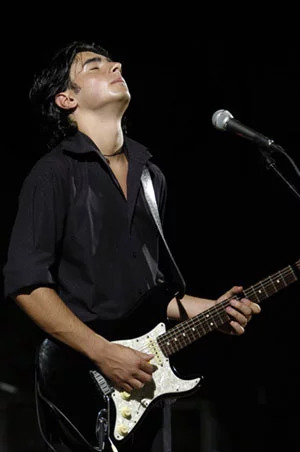
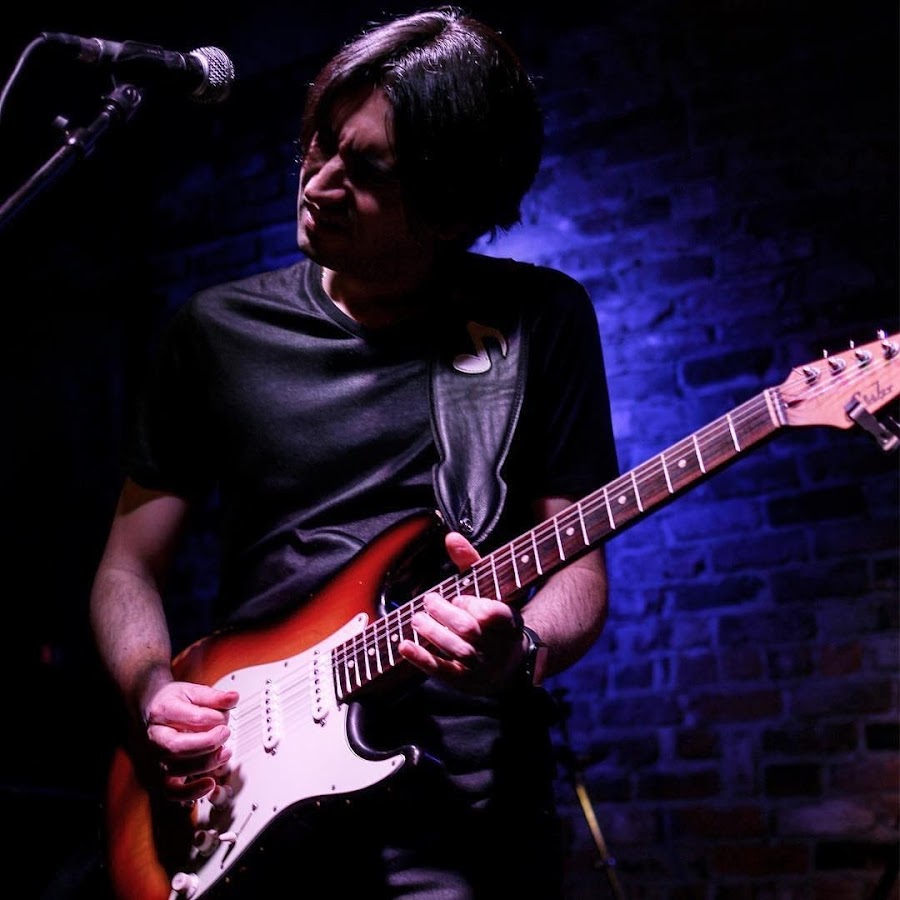
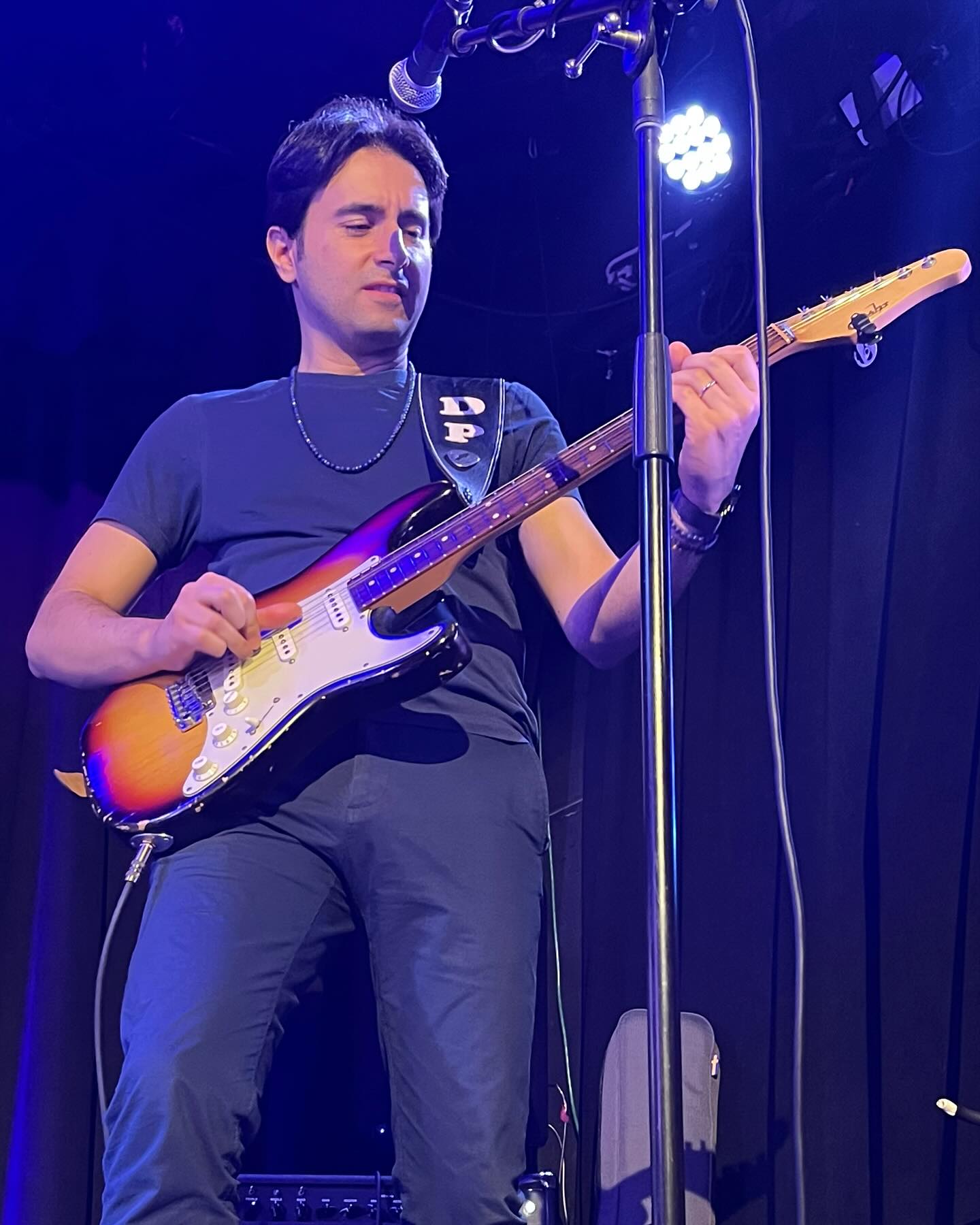
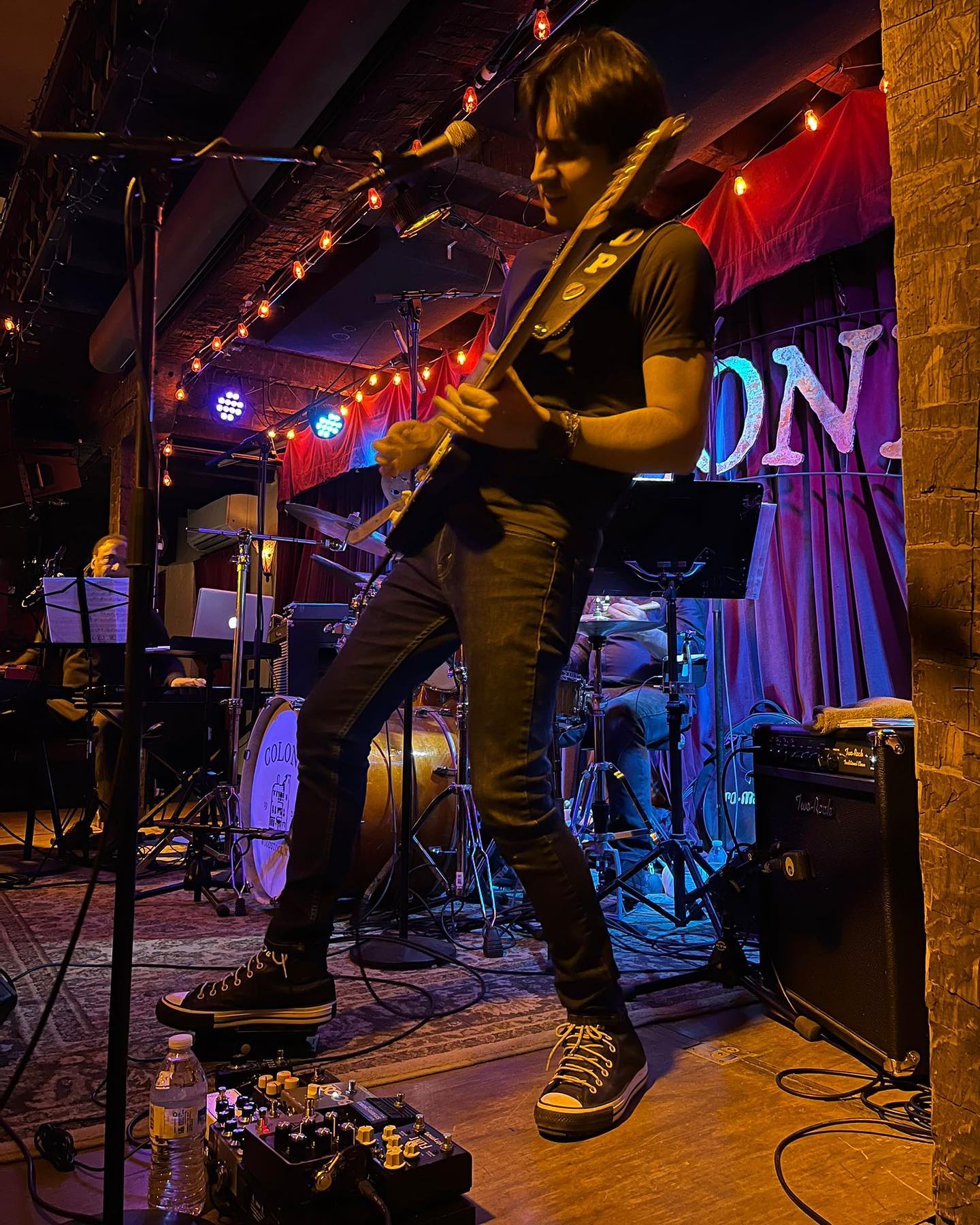
Davide Pannozzo | Guitar
(Danny Gottlieb, Pippo Matino, Nathan East, Verdine White, Andrew Gouche, Mel Brown, George Benson, David Garfield, Phil Palmer, Nicola Piovani)
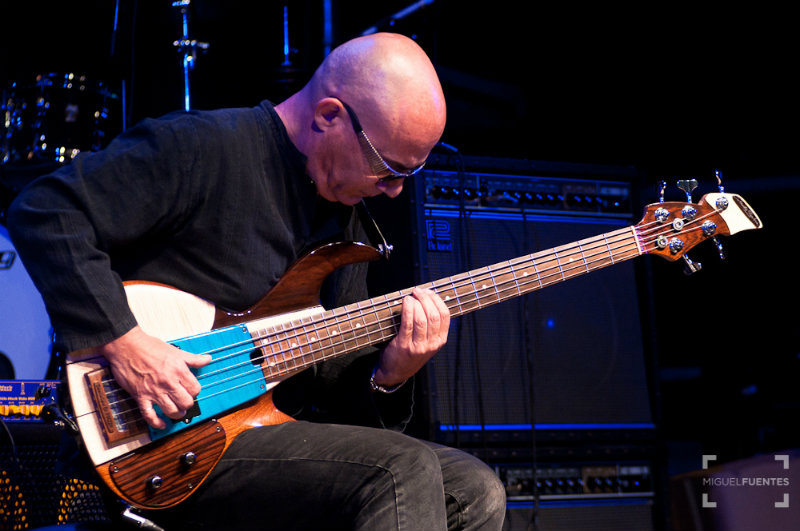
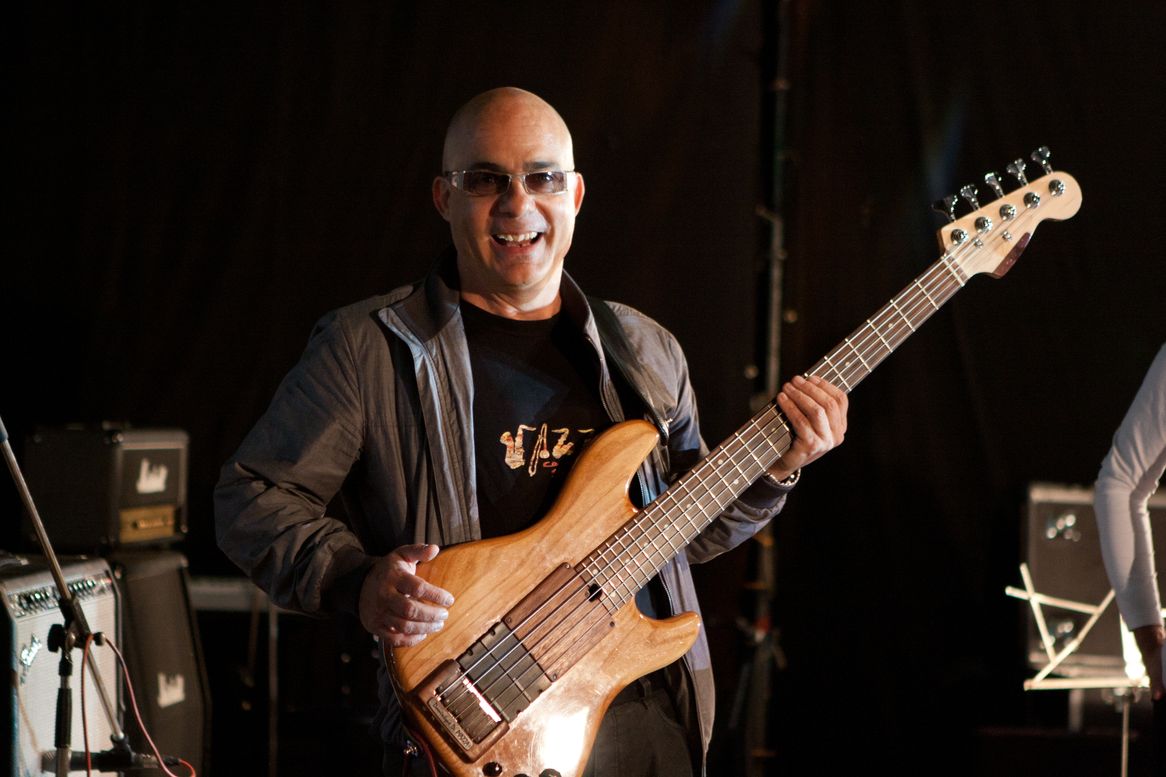
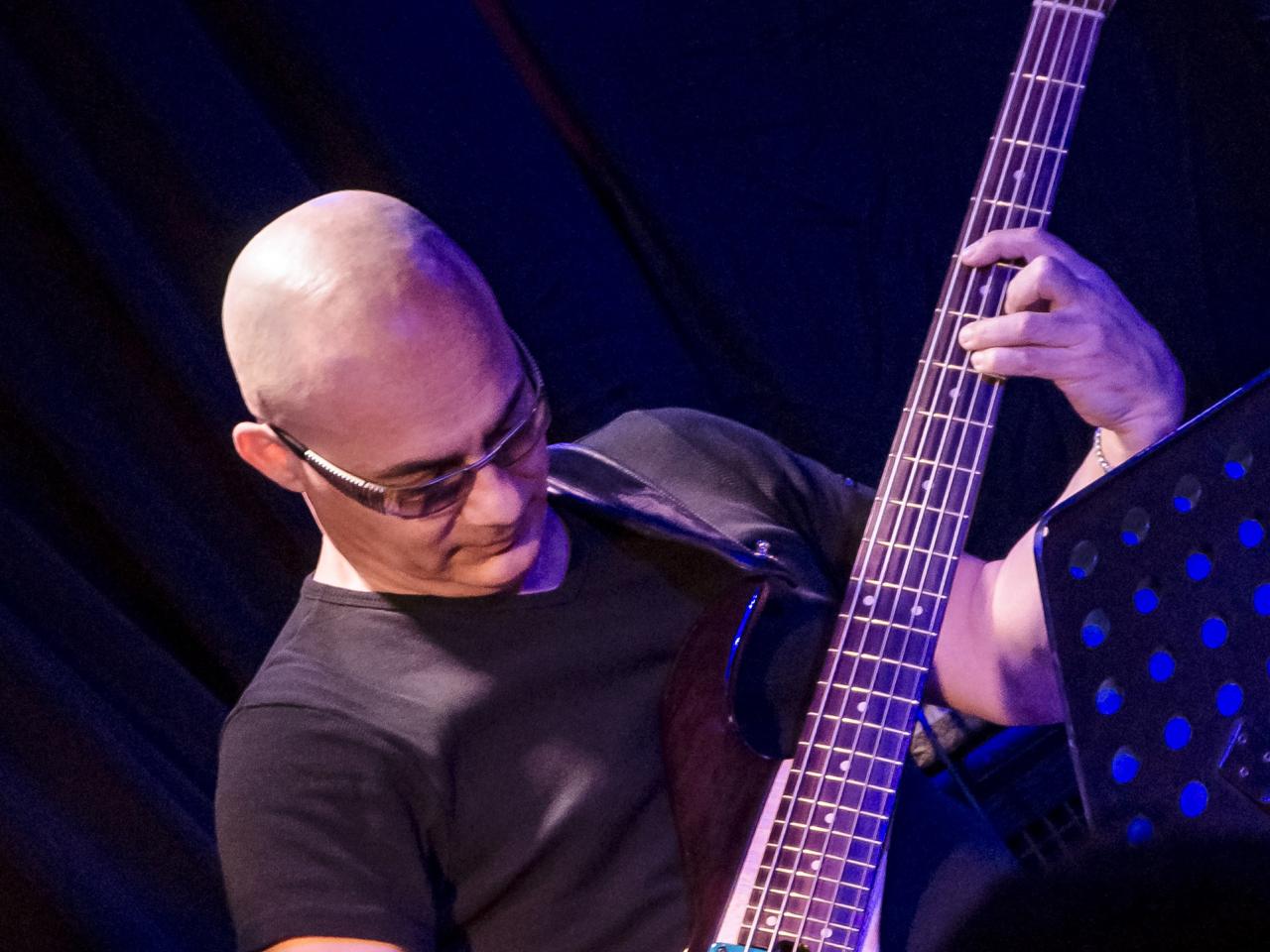
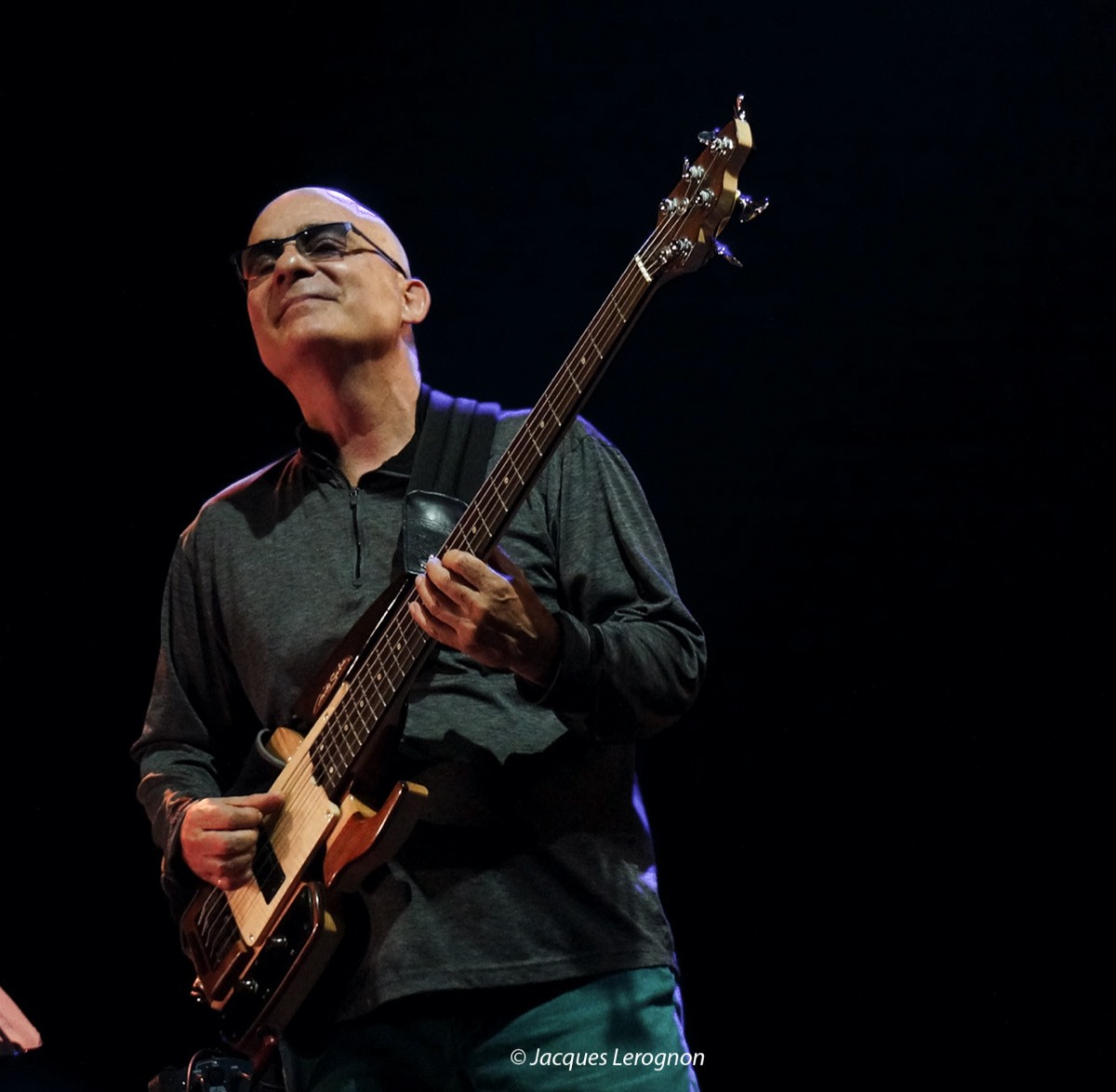
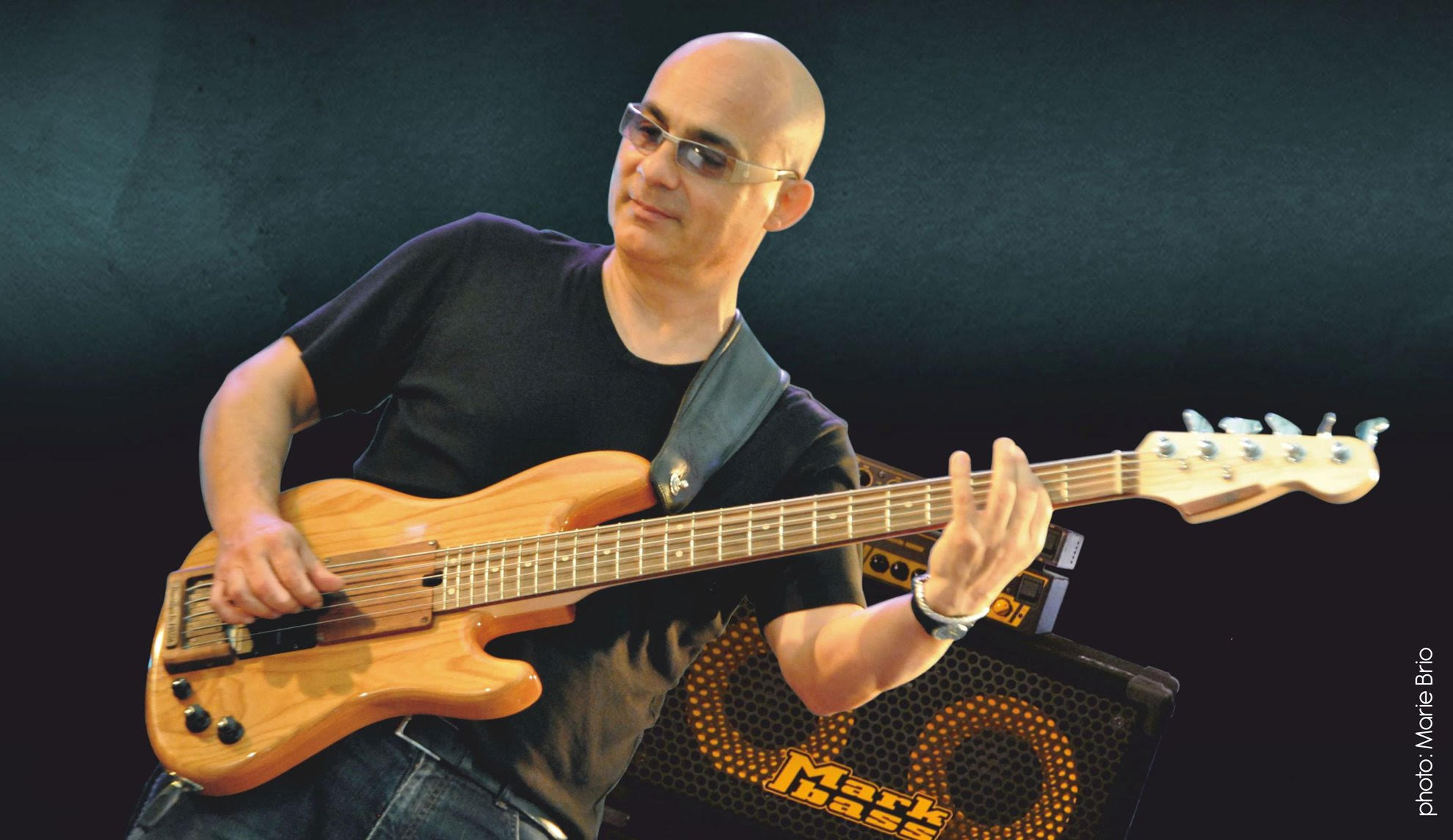
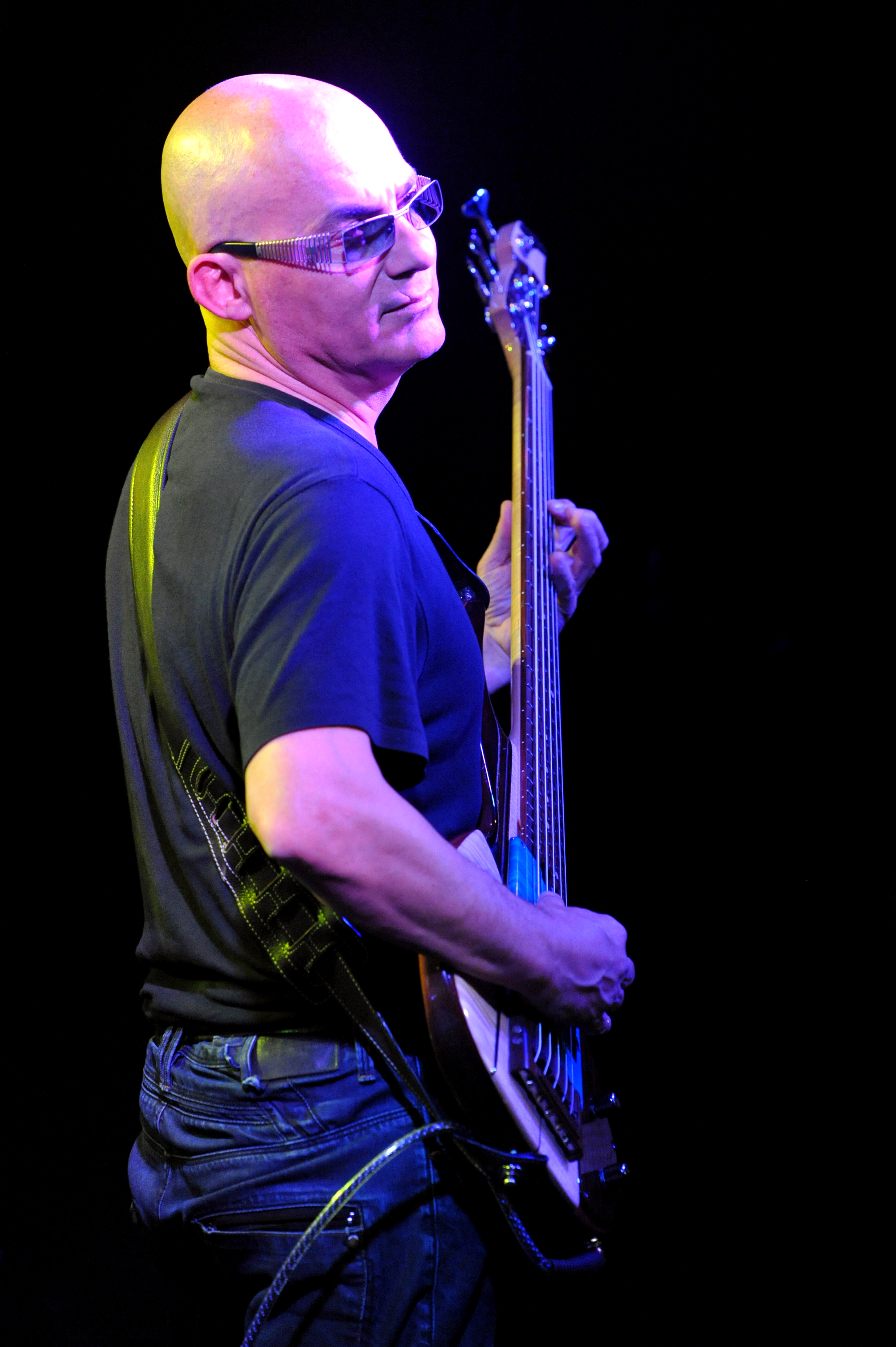
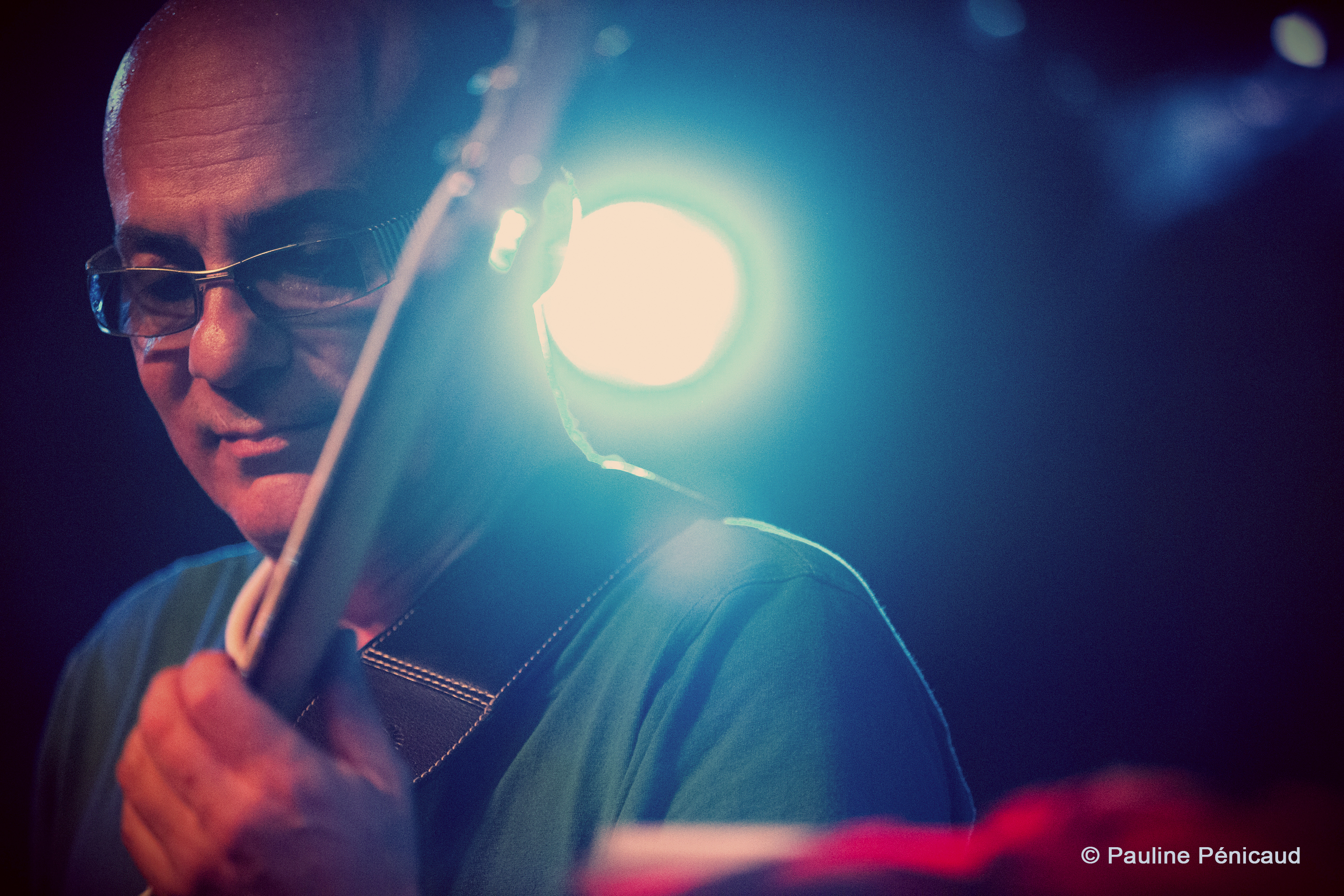
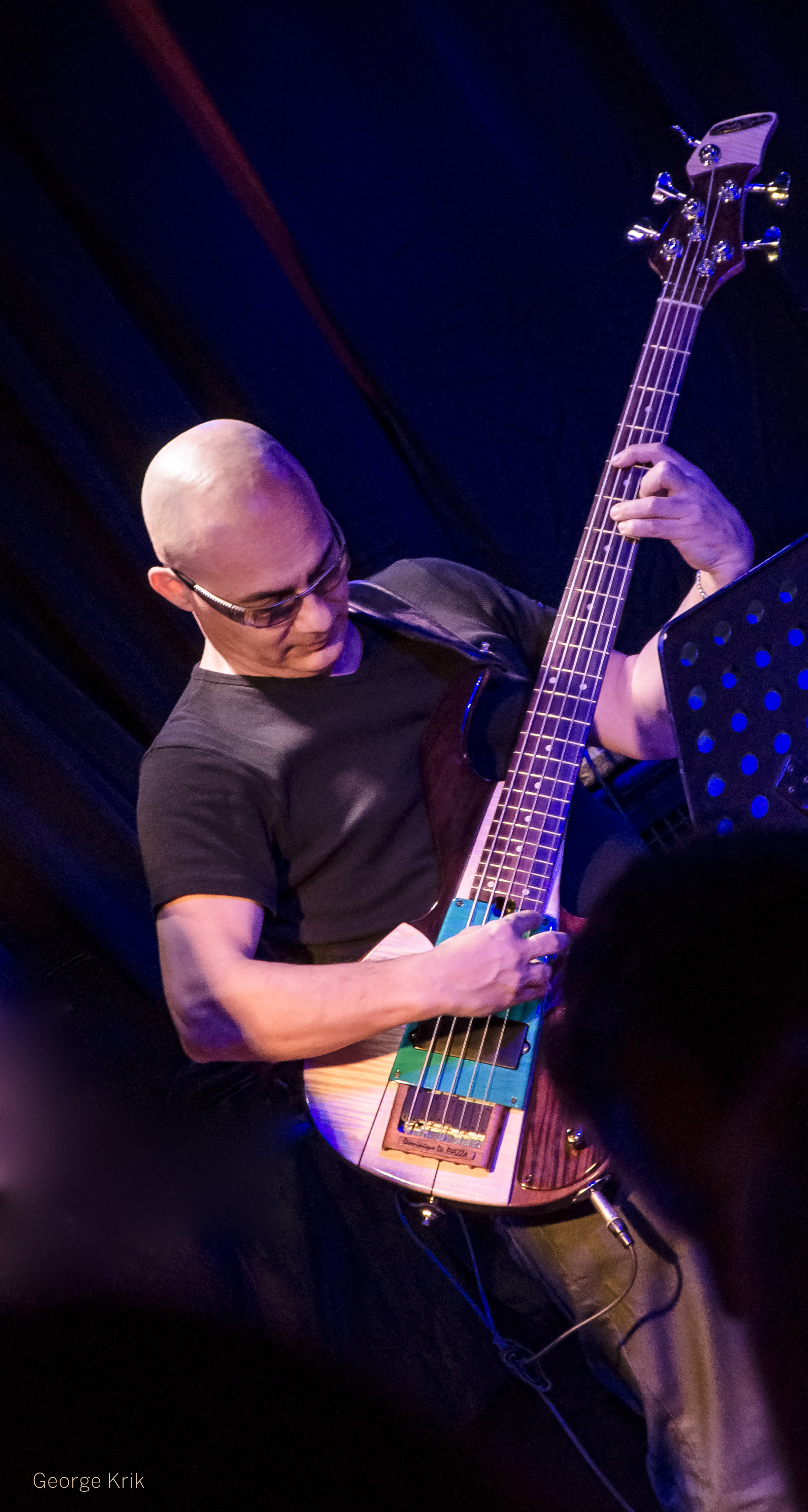
Dominique Di Piazza | Bass
(John McLaughlin, Michel Petrucciani, Gil Evans, Bireli Lagrene, Didier Lockwood)
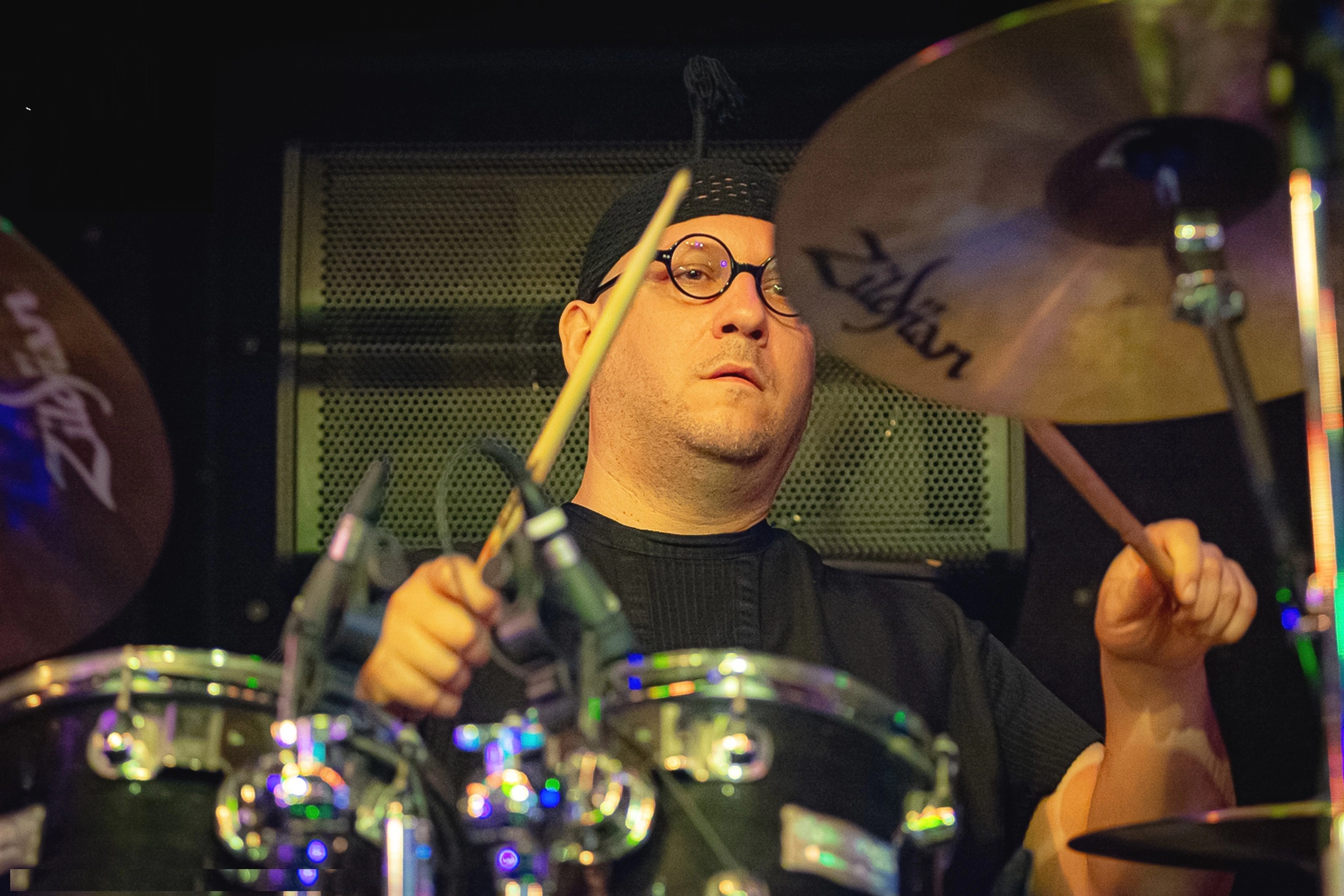
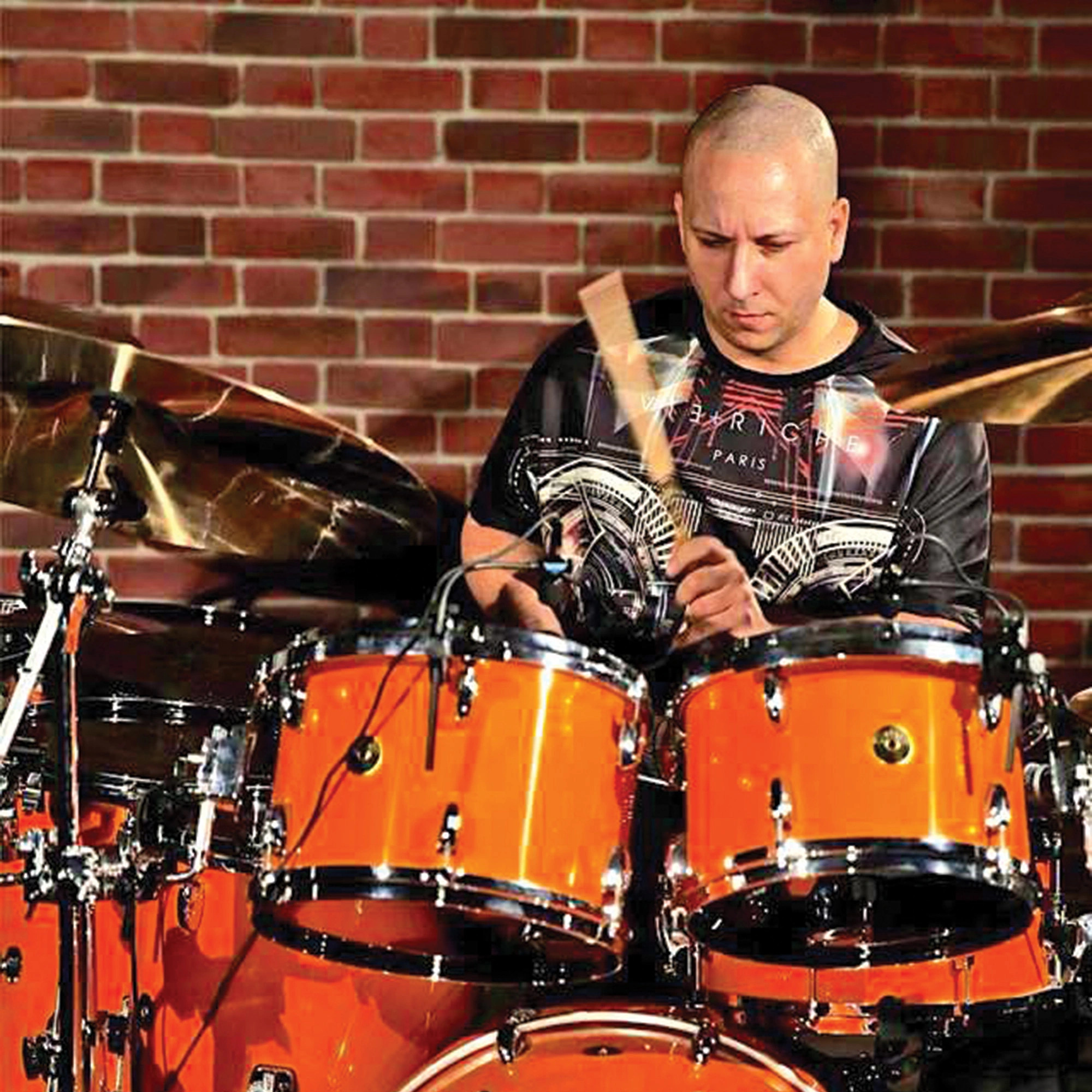
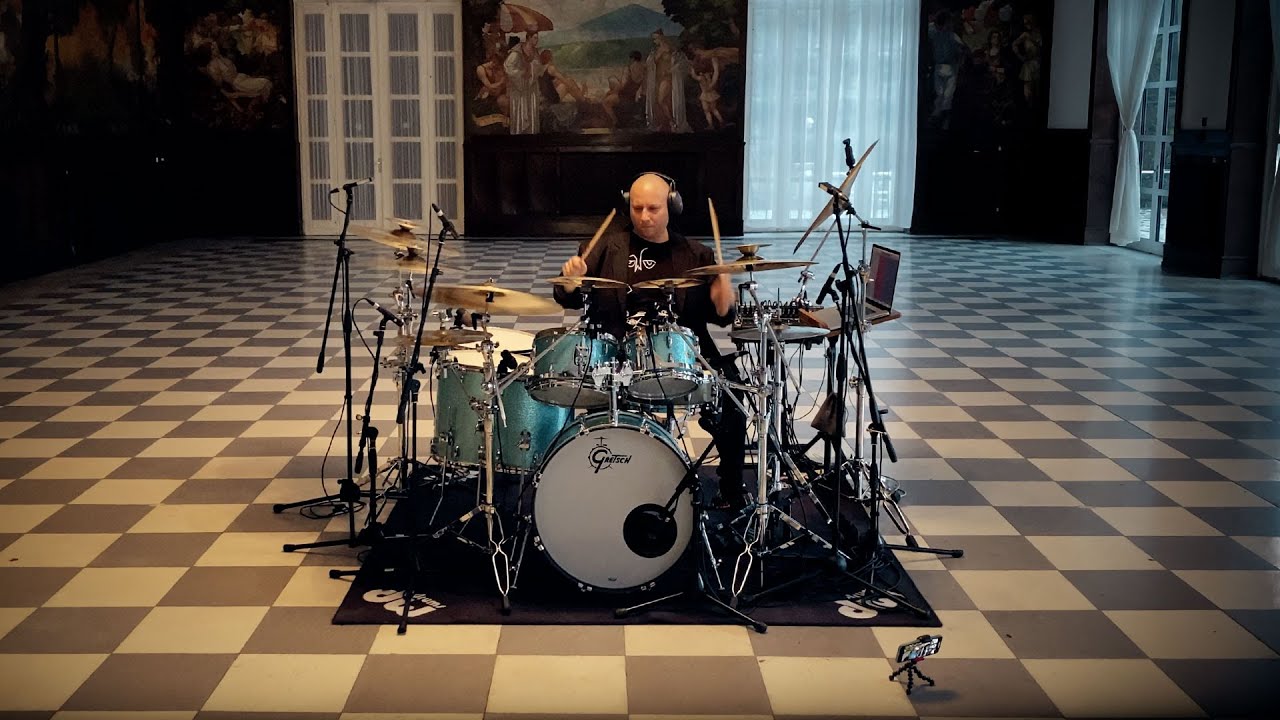
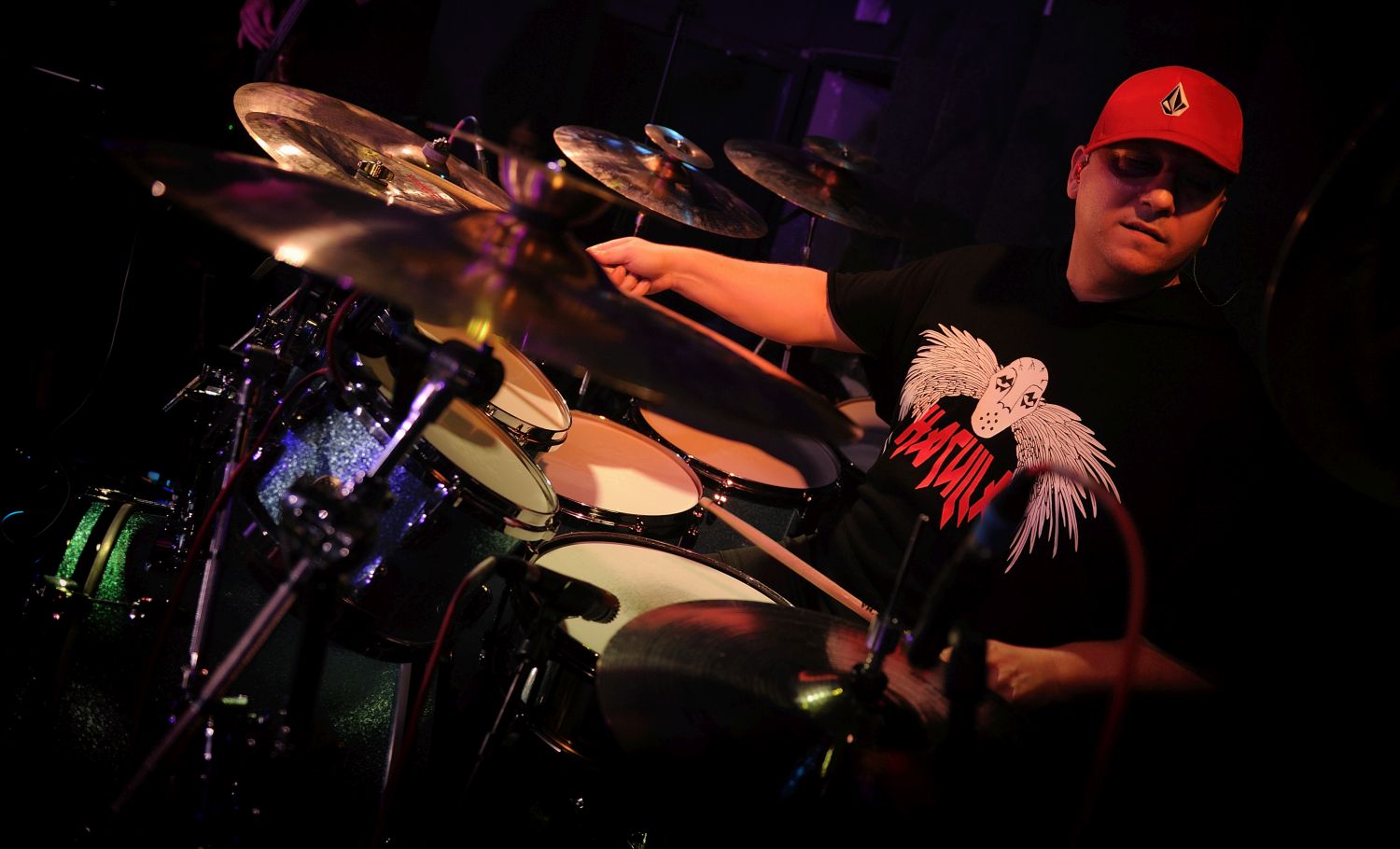

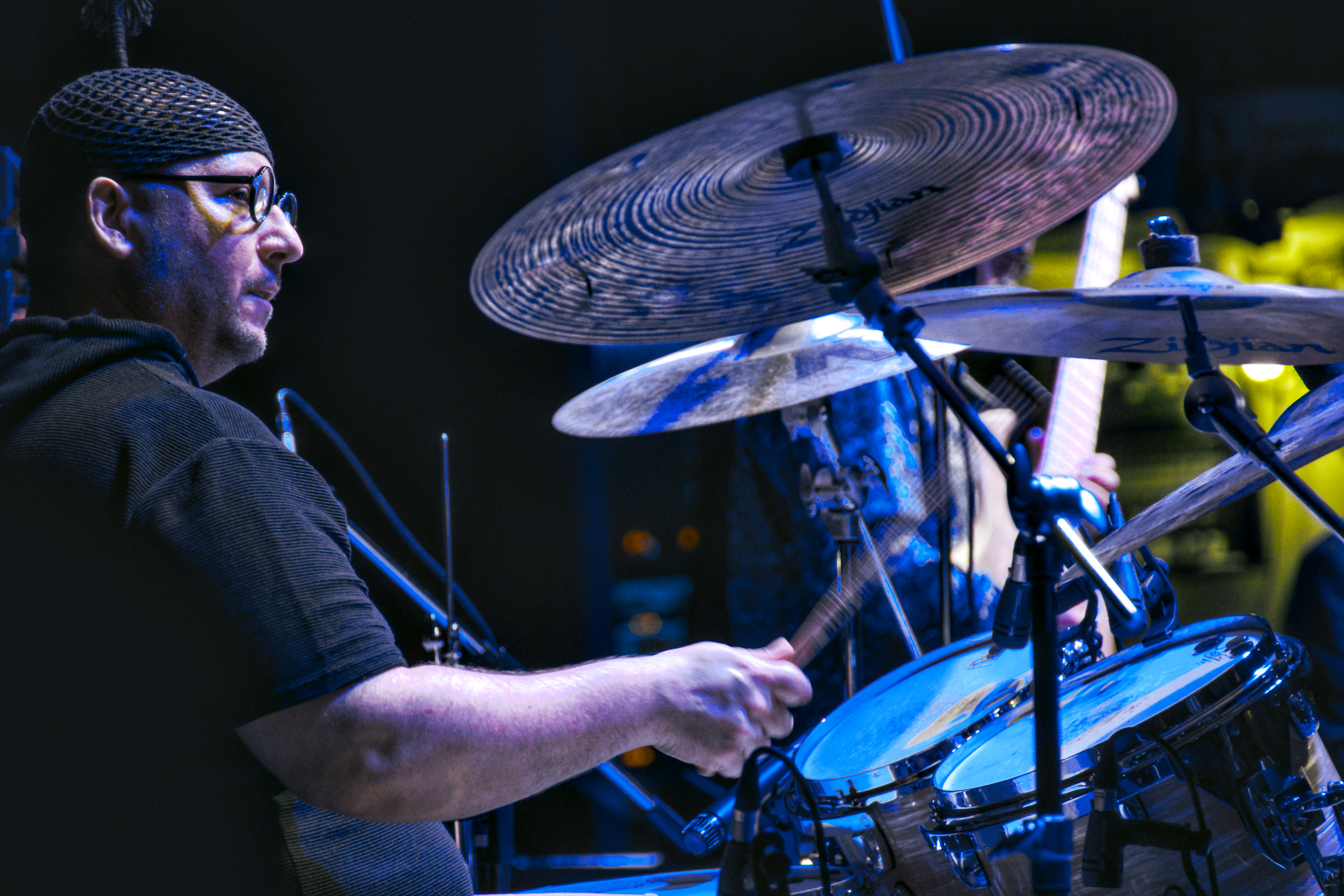
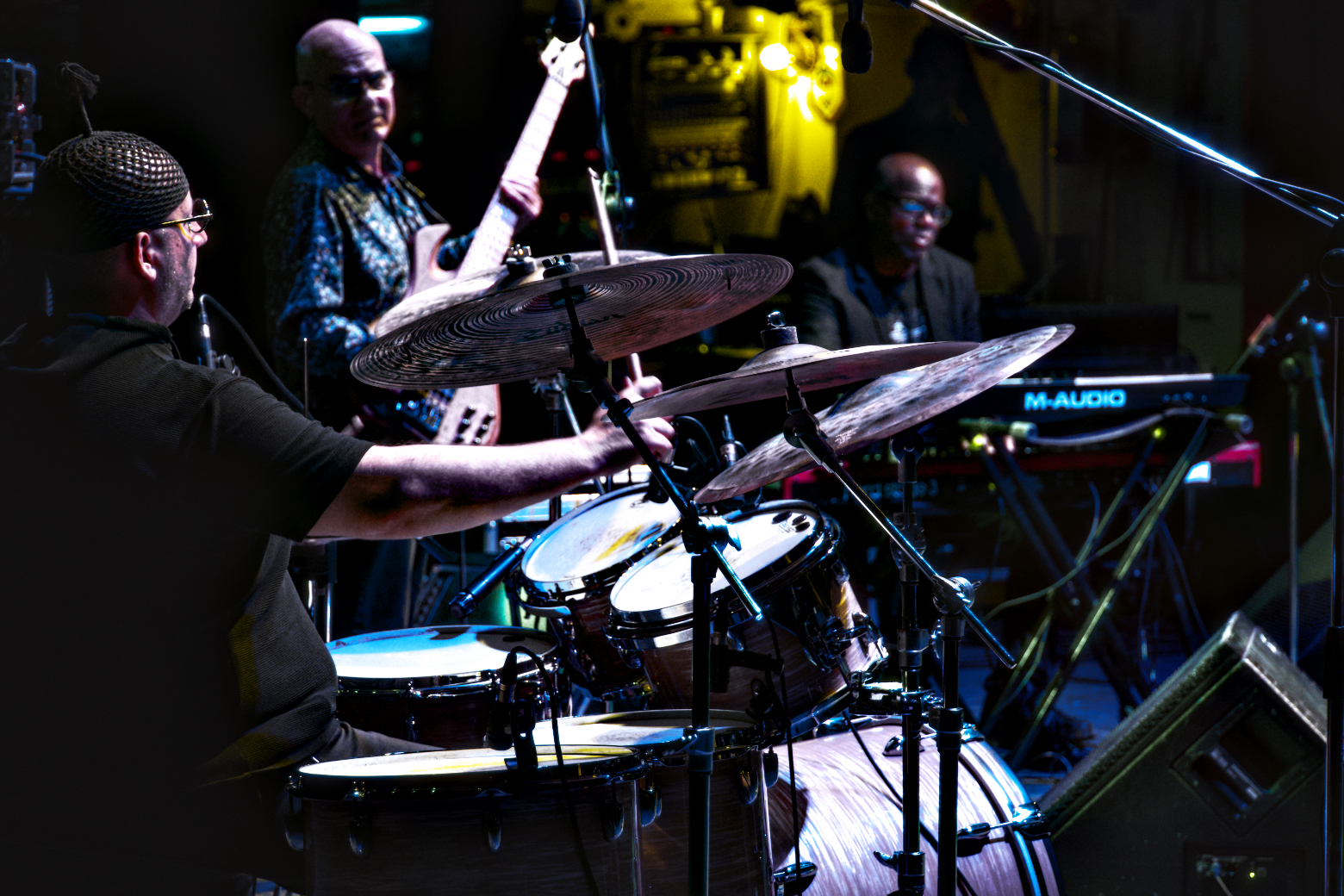
Gergo Borlai | Drums
(Gary Willis, Scott Kinsey, Scott Henderson, Matthew Garrison, Steve Tavaglione, Bob Mintzer, Hiram Bullock, L. Shankar, Al DiMeola, Nguyen Lee, Eric Moore, Tim Lefebvre)
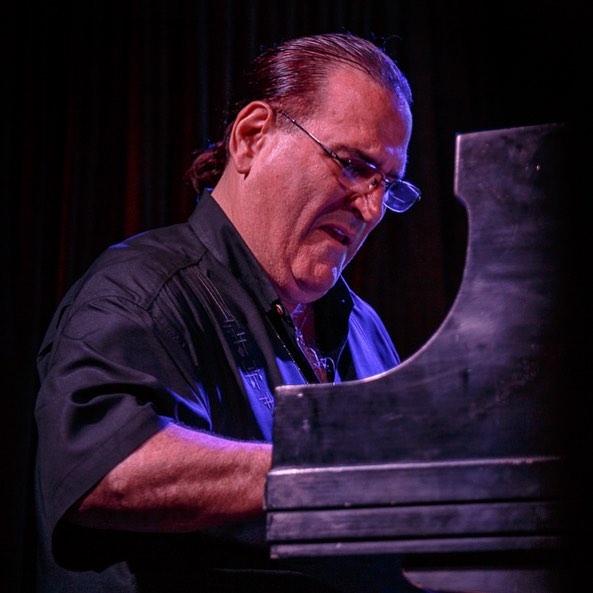
DAVID GARFIELD
 David Garfield is an American keyboardist, songwriter, and record producer.
He has recorded with Eddie Van Halen, Smokey Robinson, Cher, Larry Carlton, Steve Lukather, Spinal Tap, George Benson, The Manhattan Transfer, Eros Ramazzotti, and The Rippingtons. He has performed with Freddie Hubbard, Boz Scaggs, Oleta Adams, Brenda Russell, Natalie Cole, and Michael Bolton. He is a founding member of Karizma and Los Lobotomys. He has been a songwriter, producer, bandleader, arranger, recording artist, record label owner (Creatchy Records), session and touring musician, musical director and composer of commissioned themes for global organizations.
Biography
In addition to composing and performing music for Perfect Harmony, he has written several songs with Smokey Robinson, including “One Like You,” which George Benson recorded on his 2009 album Songs & Stories. Garfield, who has been from time to time Benson’s musical director since 1986, also arranged and produced Guitar Man. Garfield produced I Play The Piano, a DVD/Blu-Ray of Terry Trotter playing solo piano for AIX Media.
Garfield has been commissioned to write and produce theme songs and musical projects for several international organizations, including the composition and CD: “Pool of Friendship” for the European Aquatics Federation LEN (League of European Nations); the American Society of Cinematographers (ASC); and “Deep Within Each Man” (co-written with Phil Perry) for the Shorinji Kempo World Karate Foundation.
His first international release on Creatchy, 1997’s Tribute To Jeff, was dedicated to drummer Jeff Porcaro. Garfield followed its Top Ten chart success with I Am The Cat… Man, and Giving Back. He re-released on Creatchy Records several collections from earlier in his career, including L.A. Keyboard Project, Recollections, and Seasons of Change.
Karizma’s discography on Creatchy includes Dream Come True, Cuba, All The Way Live, (Forever in the) Arms of Love, Document, and Lost and Found. The other projects he has helmed for Creatchy include albums by guitarists Michael Landau and Michael O’Neill, saxophonists Brandon Fields and Larry Klimas and, most recently, former Toto bassist Mike Porcaro. Another Creatchy release, Los Lobotomys, is a collaboration with prominent members of the pop/rock band Toto, with whom Garfield has collaborated with many times throughout the years. Garfield also frequently does free-lance keyboard and production work for established and up and coming artists from across the U.S. and throughout the world.
In addition to his work with George Benson, Garfield continues ongoing musical relationships with numerous musicians, including Boz Scaggs and Natalie Cole. Over the years, he has recorded with Cher, Spinal Tap, The Rippingtons, Ratt, Larry Carlton, and Smokey Robinson; produced for Oleta Adams and Flora Purim; and has performed live with Michael Bolton, The Blues Brothers, Brenda Russell and Rick Braun, among others. Early in 2012, he was presented with the Hall of Fame Award from the Java Jazz Festival in Jakarta; Garfield has performed at the Indonesia event several times, most recently with saxophonist Gerald Albright and vocalist Alex Ligertwood. The same trio of musicians later performed at the Blue Note in Tokyo.
At the same time as he was performing his first gigs with Karizma in the mid-1970s, Garfield began working with jazz talents such as Willie Bobo, Freddie Hubbard, and Tom Scott. After establishing himself on the L.A. jazz scene, the keyboardist became a key part of the city’s vast studio world during its heyday. These experiences ultimately led to composing opportunities for TV, film and commercials for such companies as NBC, Disney, Nippon Television, and RTL Germany. During the 1980s, Garfield arranged and produced many Japanese artists and went on to produce his own projects for release in Japan.
Reflecting on his diverse career, Garfield says, “It’s creatively invigorating to have the opportunity to do so many interesting musical projects, to see so many amazing places throughout the world, and to work with some of the greatest musicians both in L.A. and overseas. I feel as though I am always learning from the artists and musicians I work with, not simply on a musical level, but also benefiting from their wealth of stories and life and career experiences. There are always unexpected thrills along the way, from opening with his band for Sergio Mendes or Jason Mraz to recording in a studio next to Paul McCartney or Alice in Chains and having the opportunity to meet and get to know them. I love being involved in so many different aspects of music and the feeling that I truly never know what’s coming up next”.
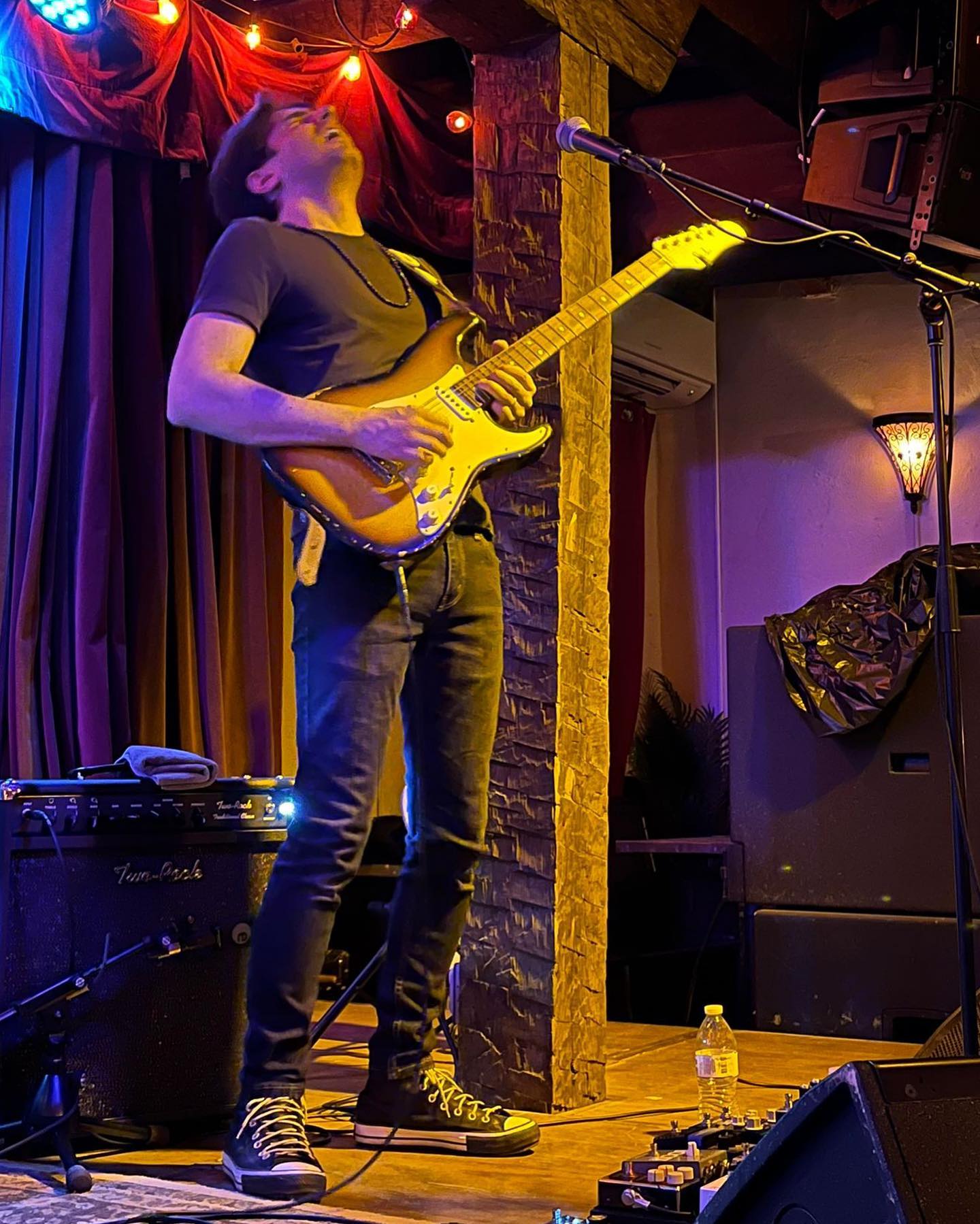
DAVIDE PANNOZZO
 Davide Pannozzo has been described by critics as one of the most interesting artists of contemporary Blues guitar. His style is very much his own, with splashes of Jeff Beck, John Scofield, Eric Clapton, and Jimi Hendrix.
“There are very few artists these days that can inspire and are filled with inspiration and great ideas; Davide Pannozzo is one of them. When you first hear his music, you know something special is going on…” Will Lee (Late Show with David Letterman, The Brecker Brothers, 24th Street Band, …).
Having studied Classical Guitar since the age of six, Davide Pannozzo graduated from the Conservatory of Santa Cecilia in Rome.
During his career, he has performed at several clubs and festivals in Italy (Pistoia Blues, Ameno Blues, Blues in Town, Accadia Blues, …) and in the world (The Bitter End in NYC, Bass Player in Los Angeles, IBC in Memphis, Ronnie Scott’s in London, Fete de la Musique in Paris, International Jazz Fest in Bucharest, Taubertal Festival in Frankfurt, …) and has played alongside artists such as George Benson, Steve Jordan, Will Lee, David Garfield, Clifford Carter, Phil Palmer, Matt Schofield, Oz Noy, Robben Ford.
Davide Pannozzo won the Emergenza European Acoustic Festival as Acoustic Solo Guitarist in 2009, followed by the Groove Master Award for Best Italian Blues guitarist in 2010, and most recently the Highland Uproar competition where he received hundreds of votes from listeners of the station in Scotland.
His album “Born Electric” was released by EmArcy/Universal Music, featuring very special guests: Robben Ford, Carl Verheyen, and David Garfield.
His Jimi Hendrix tribute, “A Portrait of Jimi Hendrix” features off-the-floor recordings – with no overdubs – it gets #1 on iTunes’s top100 Blues Albums in Italy and iTunes’s top100 New Blues Release in the USA.
His latest album, “Unconditional Love” has been produced by Steve Jordan & Will Lee, with the participation of Ricky Peterson, Oli Rockberger, and Shawn Pelton. The song “Chasing Illusions” is still in heavy rotation on SiriusXM, and it got the Top50 Jazz Blues Album Radio chart in the US.
His last single, “Be Blessed” was produced by Steve Jordan, and at its release, it was added to two big Spotify editorial playlists, “All New Jazz” & “Fresh Finds Jazz” getting hundreds of airplay in the US, Canada, UK, Australia and many enthusiastic reviews on blog and magazines.
“Be Blessed” is delicate and emotional. Davide takes his instrumentation on the guitar to another level, a place that very few can say they’ve been to. It’s a song for any occasion and is one of the best instrumental songs we’ve heard in a while.”
“Be Blessed” is a chill instrumental that overflows with understated emotion and casts its shadow somewhere between the upscale blues of Robben Ford and the deep melodicism of Duke Ellington.
Davide is the founder of “GUITARlab”, an Online Academy dedicated to the teaching of the Modern Blues Guitar.
DAVIDE PANNOZZO TRIO | Fusion Jazz-Funk (IT/USA)
DOMINIQUE DI PIAZZA
 Dominique Di Piazza was born in Lyon, France, with Sicilian ancestry and a gypsy stepfather. He started playing electric bass in 1979. After some time, he managed to free himself from the pervasive influence that Jaco Pastorius had over most bassists at the time, by creating his own style. Self-taught, he added an extra high string to his 4-string bass and created his own technique of using the right-hand thumb, index and middle fingers. This unique approach enabled a virtuosity and style that is quite unusual in the world of bass. A defining example is the track « Marie » a flagship piece for solo bass from the 90s, found on the album « Que alegria » by John McLaughlin.
This right hand style gave birth to the « four-finger picking » technique later popularized in Europe and the US by several new-generation bassists including Matthew Garrison, Adam Nitti and Hadrien Feraud. Dominique’s great knowledge of bebop, his gypsy and neo-classical influences, his lyrical style and his advanced harmonic concept have combined to make him one of the most innovative bassists in the world today.
Dominique started his career in 1982 at the Hot Club in Lyon with guitarist Michel Pérez. In 1986 he moved to Paris and began touring with violinist Didier Lockwood, drummer André Ceccarelli and pianist Gordon Beck. The following year he toured Europe with Gil Evans and the Big Bang Lumière de Laurent Cugny, a group that was immortalized on the Santander album, winner of the Prix de l’Académie Charles-Cros and in 1989 he recorded a trio album called Padre, with Jean-Pierre Como and Stéphane Huchard.
In 1991, Dominique joined the John McLaughlin Trio along with percussionist Trilok Gurtu. After a world tour of over 300 concerts, the album Que alegria was released in 1992. McLaughlin was then quoted as saying of DiPiazza: “His talent is immense—he’s one of the best bassists in the world.”
The same year, Dominique recorded with pianist Michel Petrucciani on the album The First, with Michel’s brother Philippe Petrucciani on guitar and Victor Jones on drums. In 2000, the Front Page Trio was created with Bireli Lagrene on guitar and Dennis Chambers on drums. They toured Europe and released a self-titled album (Frontpage) that scored them a Victoire de la Musique award for Best Jazz Album of 2001.
From 1990 to 2005, Dominique worked with a wide array of artists including Michael Blass, Bruno Castellucci, Giuseppe Continenza, Vic Juris, Gene Bertoncini, Yves Carbonne, Michael Manring, Jeff Gardner, Victor Wooten, Derico Watson, Danny Gottlieb and Donald Harrison. In 2005/06 he hit the road again, this time in Reunion, Mauritius, Madagascar, and ten other African countries, with a pianist from Reunion named Meddy Gerville, guitarist Jean-Marie Ecay, and drummer Horacio “el Negro” Hernandez. This collaboration led to the Jazz Amwin CD, which introduced the “Maloya Jazz” style (combining jazz with traditional music from Reunion) to a wider global audience.
In 2006, Dominique went to India to record a CD (Samjanitha, 2008) with the great Indian mandolin player U. Shrinivas, as well as Debashish Bhattacharya, Selvaganesh and Zakir Hussain. Following that he played on Antonio Farao’s album, Woman’s Perfume, alongside André “Dédé” Ceccarelli on drums.
In 2008, John McLaughlin called upon Dominique’s talents once again for a European tour with The 4th Dimension, also including Gary Husband on keys and percussion, and Mark Mondésir on drums. Together the band played more than 30 concerts all across Europe and released a DVD Live @ Belgrade. Another show featured Dominique with McLaughlin in India, in a group called The Floating Point, which included Ranjit Barot, Louis Banks, Shashank, Naveen Kumar and Shankar Mahadevan.
Around the same time, Dominique assembled the Di Piazza Trio with Brazilian guitarist Nelson Veras and drummer Manhu Roche. The trio’s album, Princess Sita, was released in the USA in August of 2008.
From 2009 to 2011, Dominique criss-crossed the world with a wide variety of artists.
In France, with Elene Dee and David Berkman for Lyrics on Pat Metheny’s music; in Russia with the Blues & Beyond Quartet (Sébastien Charlier, Yannick Robert and Yoann Schmidt) and the album La Danse du chat; with 4 Essential (with Thierry Maillard, Debora Seffer and Yoann Schmidt) for an album and festival shows; with Antonio Farao and André “Dédé” Ceccarelli; in the electro-jazz group Synopsis with Eric Sempe and Felix Sabal Lecco, and a CD called Rebirth; in a trio with Francis Lockwood and Fred Sicard on Tribute to Hendrix; with the Petrucciani Reunion quartet with Philippe Petrucciani, Nathalie Blanc and Manhu Roche on the CD Este Mundo.
In Spain, with Ximo Tebar, Donald Edwards and Jim Ridl; also the flamenco-jazz guitarist Chema Vilchez, with Jeff Balard and Alex Acuna; with singer Maria de Medeiros and gypsy-flamenco musician Raimundo Amador; in Turkey, with bağlama player Zeki Çağlar Namlı and on the Face to Face CD, and Buzuki Orhan Osman alongside his old friend Trilok Gurtu; in Ireland, with Mike Nielsen and Paul Wertico; in Italy with Alberto Iovene and Manhu Roche on the CD Wired Along; in Norway, in a duo with guitarist Hallgeir Pedersen; in Russia with Andrei Bodnartchouk and the group Made in France; and in India with Ranjit Barot’s group which included Scott Kinsey and Tim Garland, releasing an album called Bada Boom.
Dominique has also been working with a popular young gypsy guitarist named Brady Winterstein (and his uncle Hono), and they released an album in 2011 called Happy together.
Dominique has designed a special bridge (as well as a bass) with luthier Mike Sabre, which makes it possible to obtain a “fretless” sound on a fretted bass. This was first featured on the track « Seven up » from the 1993 CD Wait and See by Michael Blass.
For several years, Dominique has been teaching at the Music Academy International (M.A.I.) at Nancy, France, and also gives master classes around the world. Transcriptions of his playing appear in the book Bass Soloing Concepts by Chuck Sher and Marco Johnson. His composition “Living Hope” is included in The European Real Book.
Dominique’s sincerity, his unique style and his openness to music from around the world make him one of the most highly regarded musicians on the international scene.
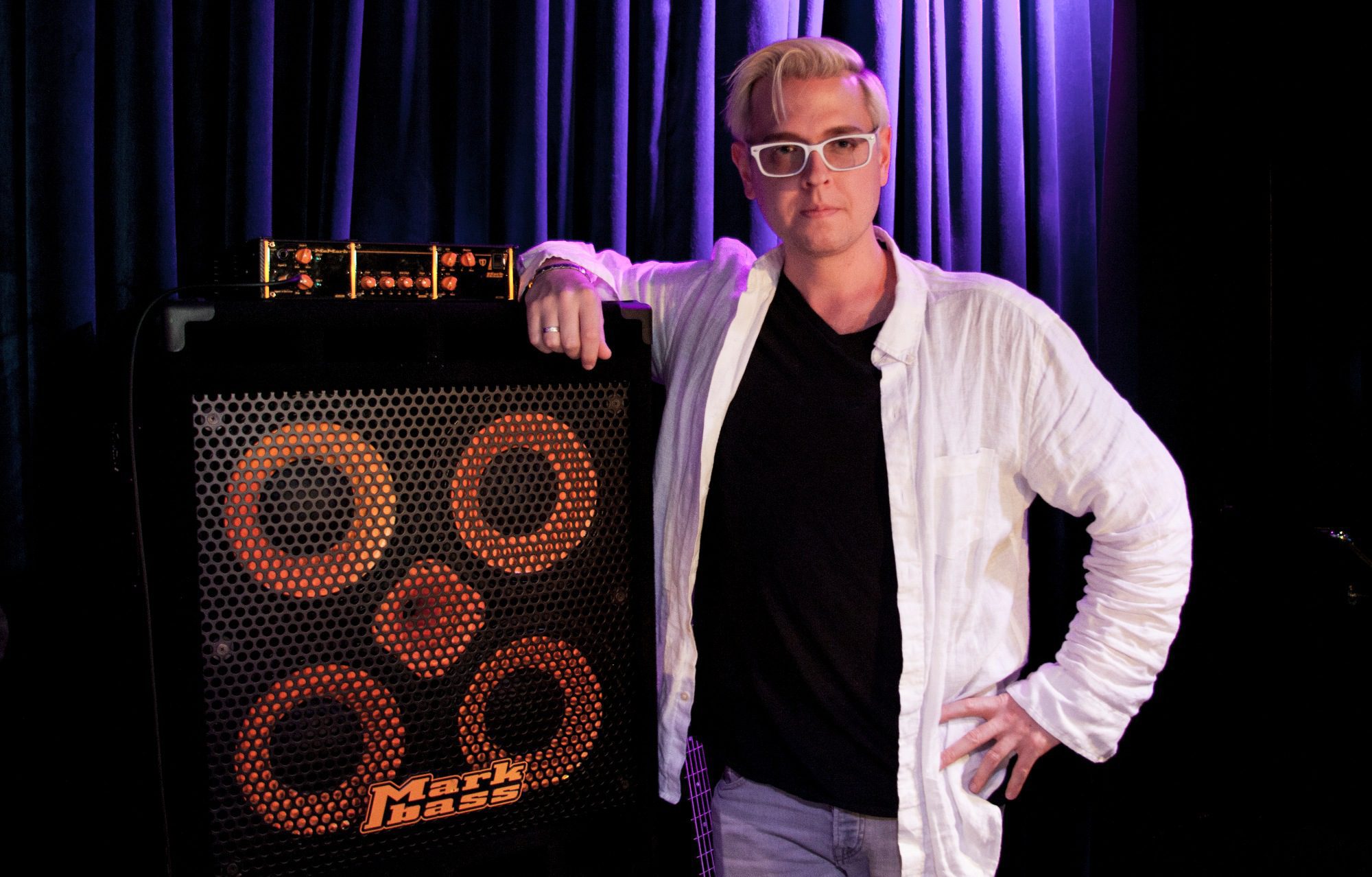
Dominique plays on Marbass amps. « For a long time, I’ve been looking for a bass amp that won’t color my sound » says Dominique. « And most of the good amps are bulky and hard to transport. But bravo, Marco—with my Little Mark Tube head and Traveler 102P cabinet, I have both uncolored sound and portability at the same time! ».
http://www.dominiquedipiazza.com/
GERGO BORLAI
 Gergo is a professional drummer originally from Hungary now based in Barcelona, Spain.
In his home country of Hungary, Gergo Borlai has appeared on more than a 300 albums, received two lifetime achievement awards and two “gold record awards,” as well as the Golden Drumstick Prize and the Artisjus Lifetime Achievement Award. Gergo has become one of the most exciting up-and-coming drumset artists and has grown in popularity and also with his breathtaking solos. Gergo also became a clinician man all over in Europe, U.S. and Asia like Musician Institute Hollywood, South Korea, France, Sweden, Poland, South America, Spain, Germany, etc… Gergo is a professor of the Liceu Academy/Jazz Departement – Barcelona since 2012. Gergo has lesson packages for Drum Guru.
Touring: Hungary, Romania, France, Slovakia, Chez Republic, Portugese, Belgium, Finland, England, Germany, Austria, Poland, Ukraine, Spain, Italy, Serbia, Croatia, Netherland, Canada, Japan, Israel, South Corea, South America, Greece, Sweden, Norway, USA
Gergo performed with Frank Gambale (AU), Gary Willis (USA), Scott Kinsey(USA), Scott Henderson(USA), Matthew Garrison(USA), Steve Tavaglione(USA), Llibert Fortune(SP), Walt Fowler(USA), Bob Mintzer(USA), Hiram Bullock(USA), L. Shankar(India), Vernon Reid(USA), Iain Ballamy(GB), Terry Bozzio(US), Al DiMeola(USA), Nguyen Lee(F), Hadrien Feraud(F), Eivind Aarset(N), Eric Moore (USA), Tim Lefebvre(USA), Yolanda Charles(GB).
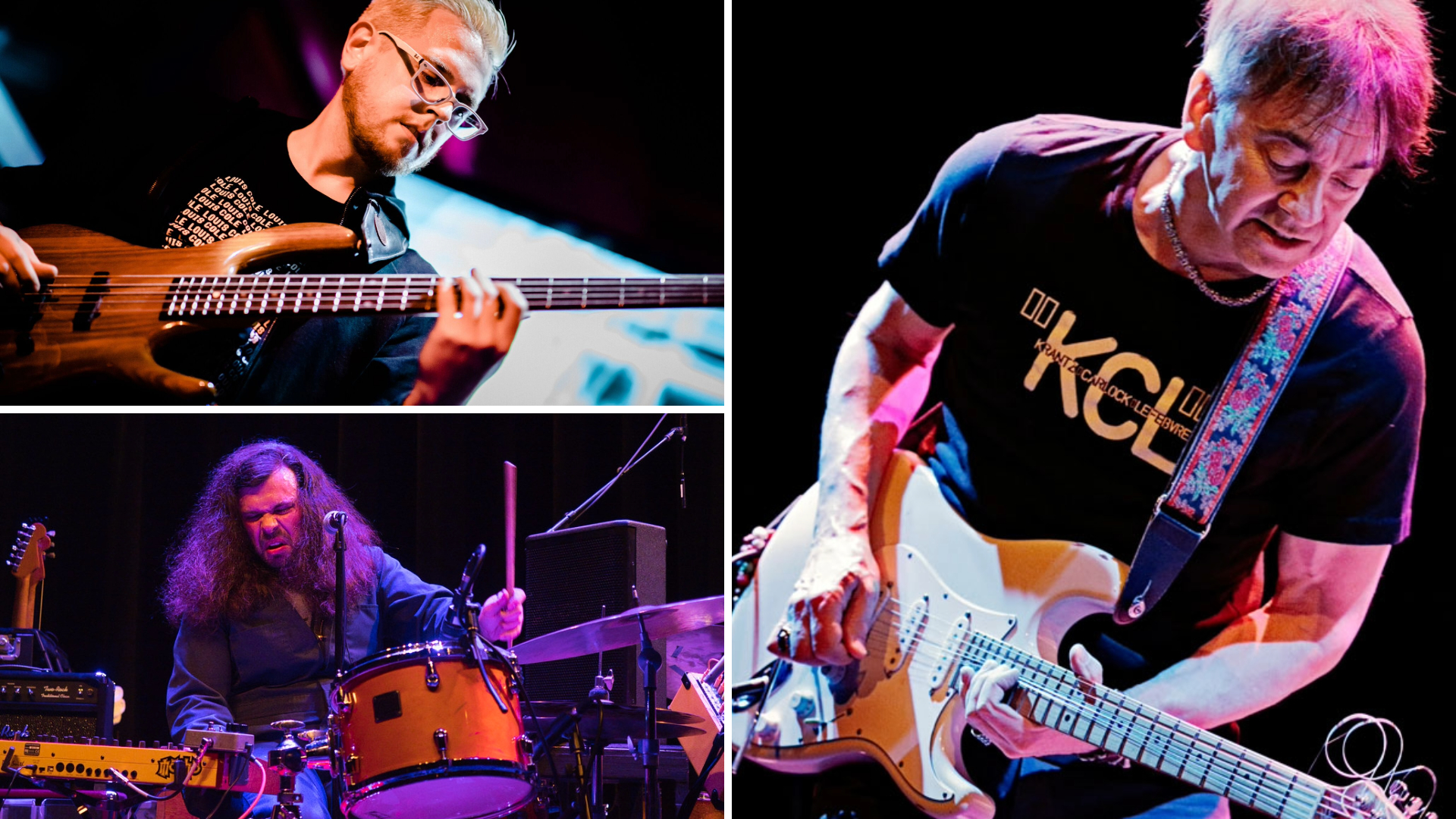
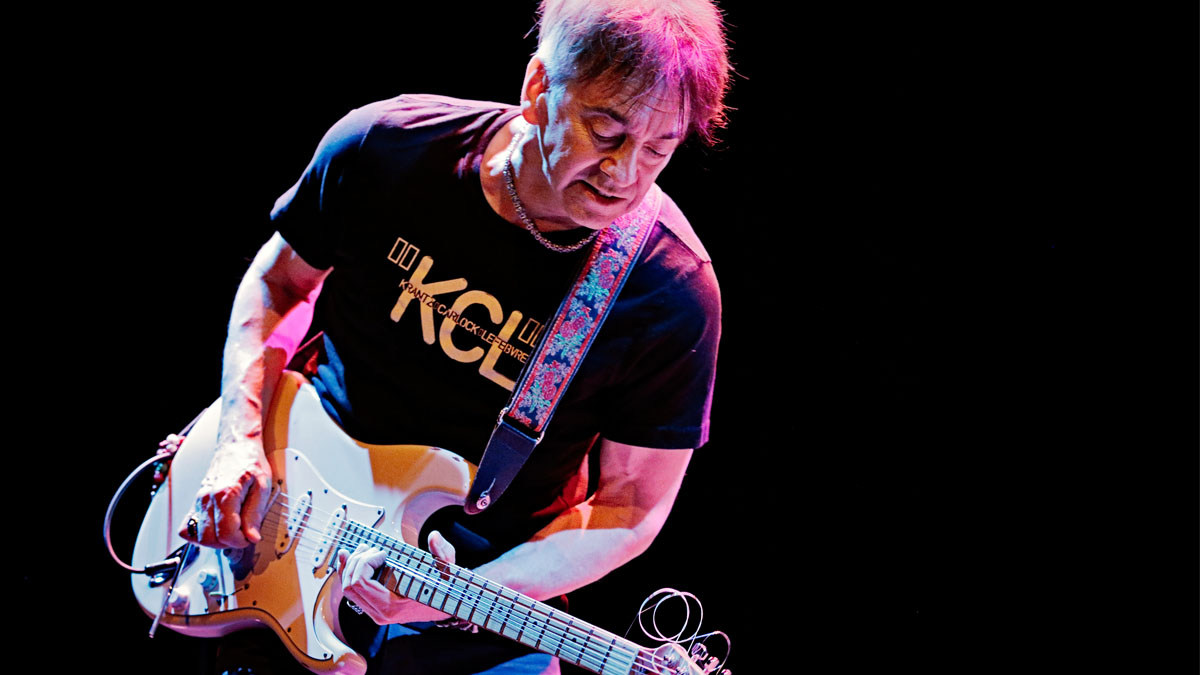
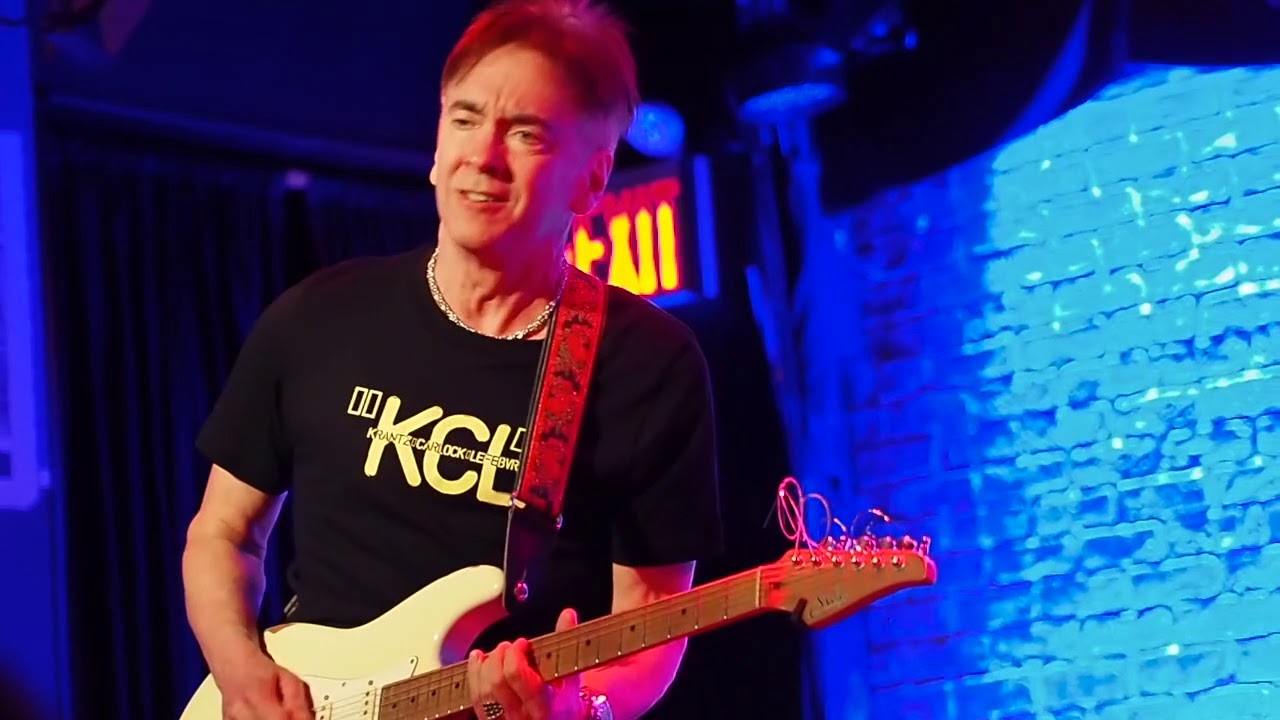

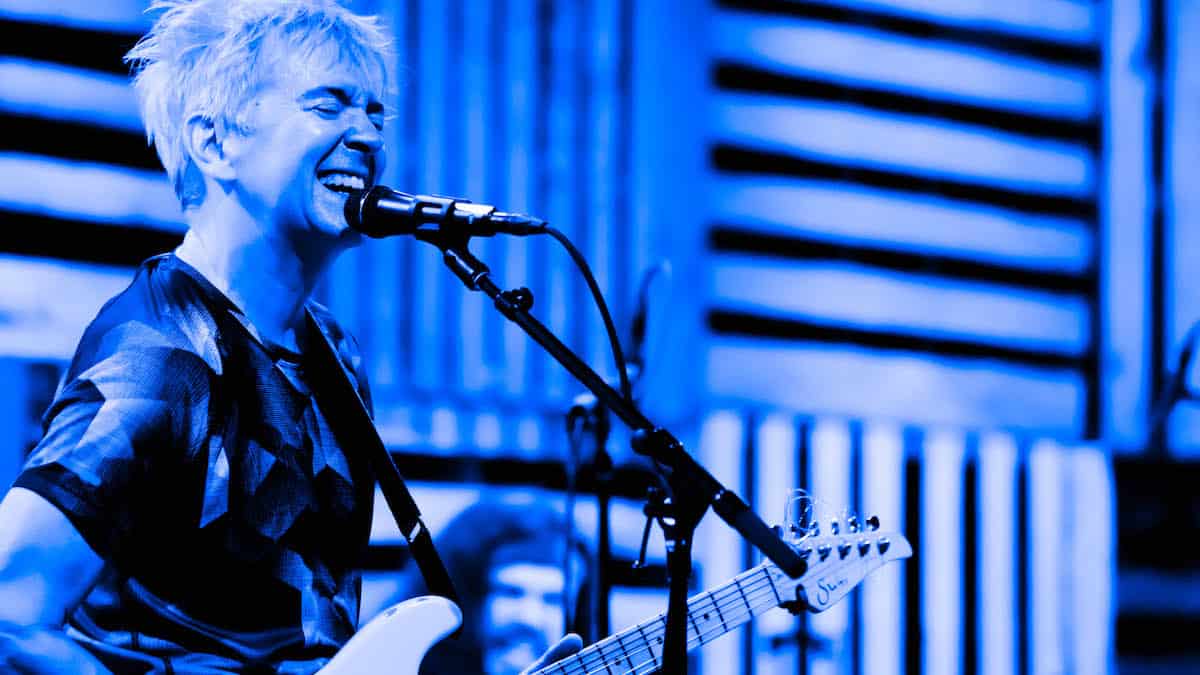

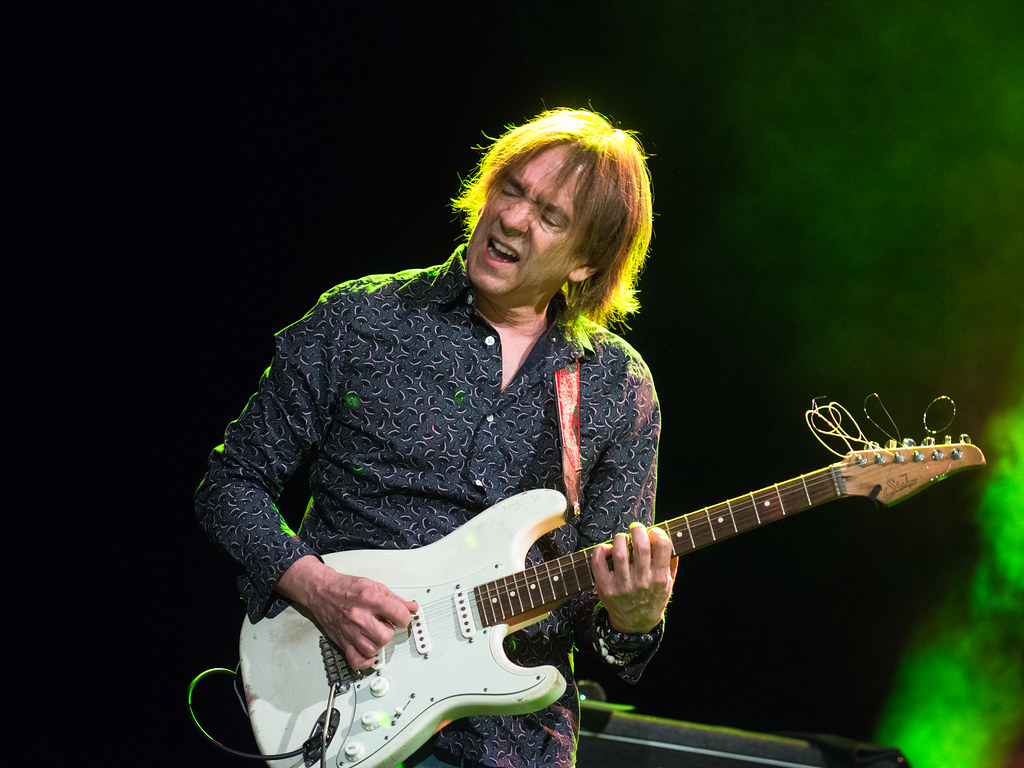
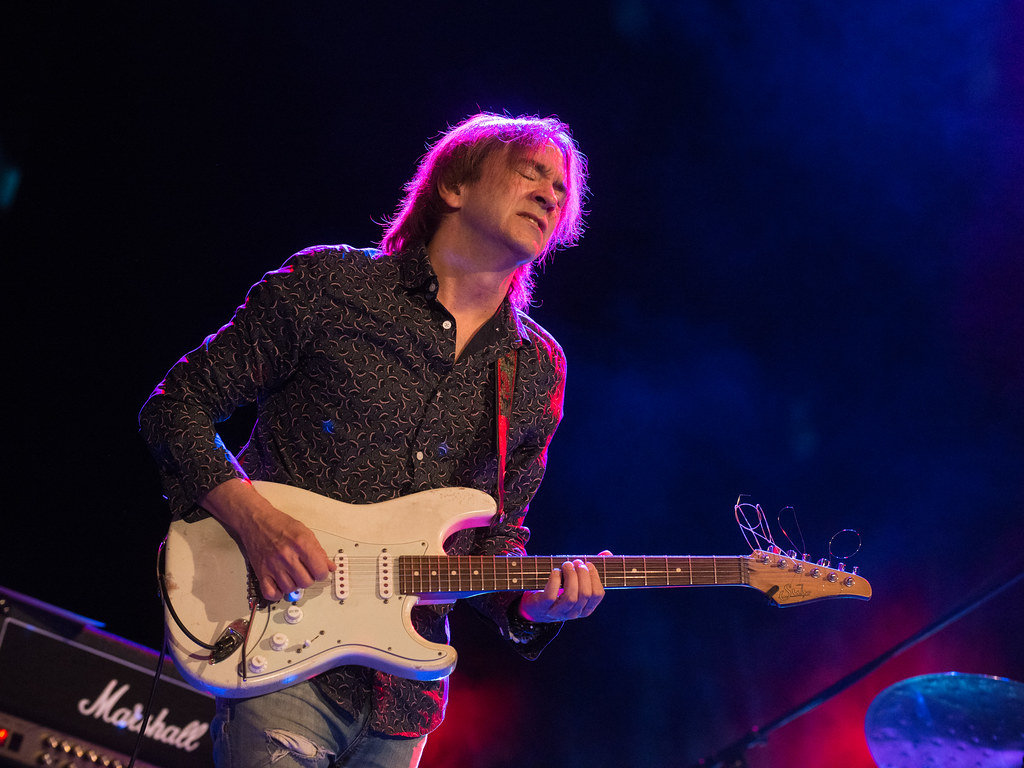
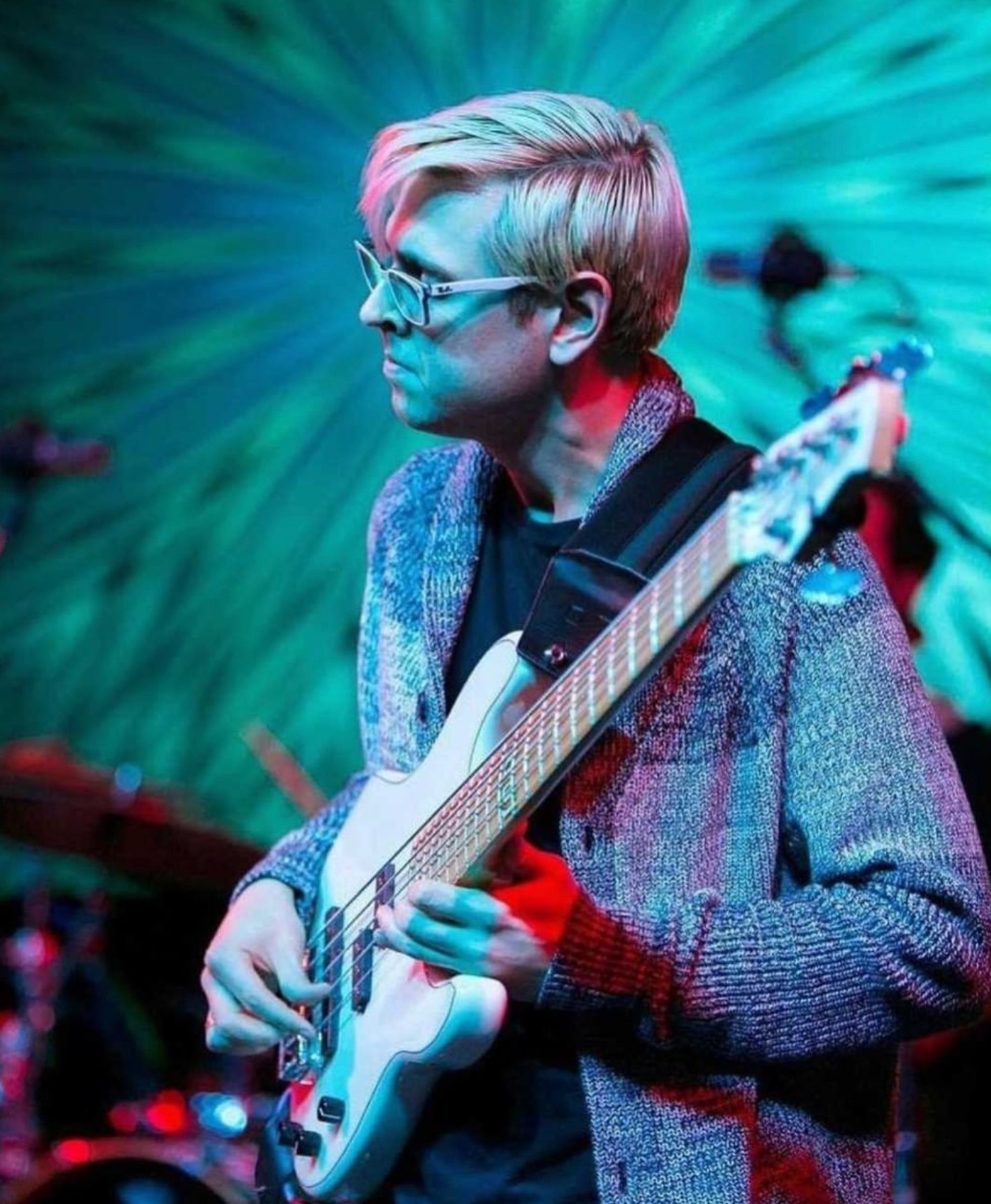
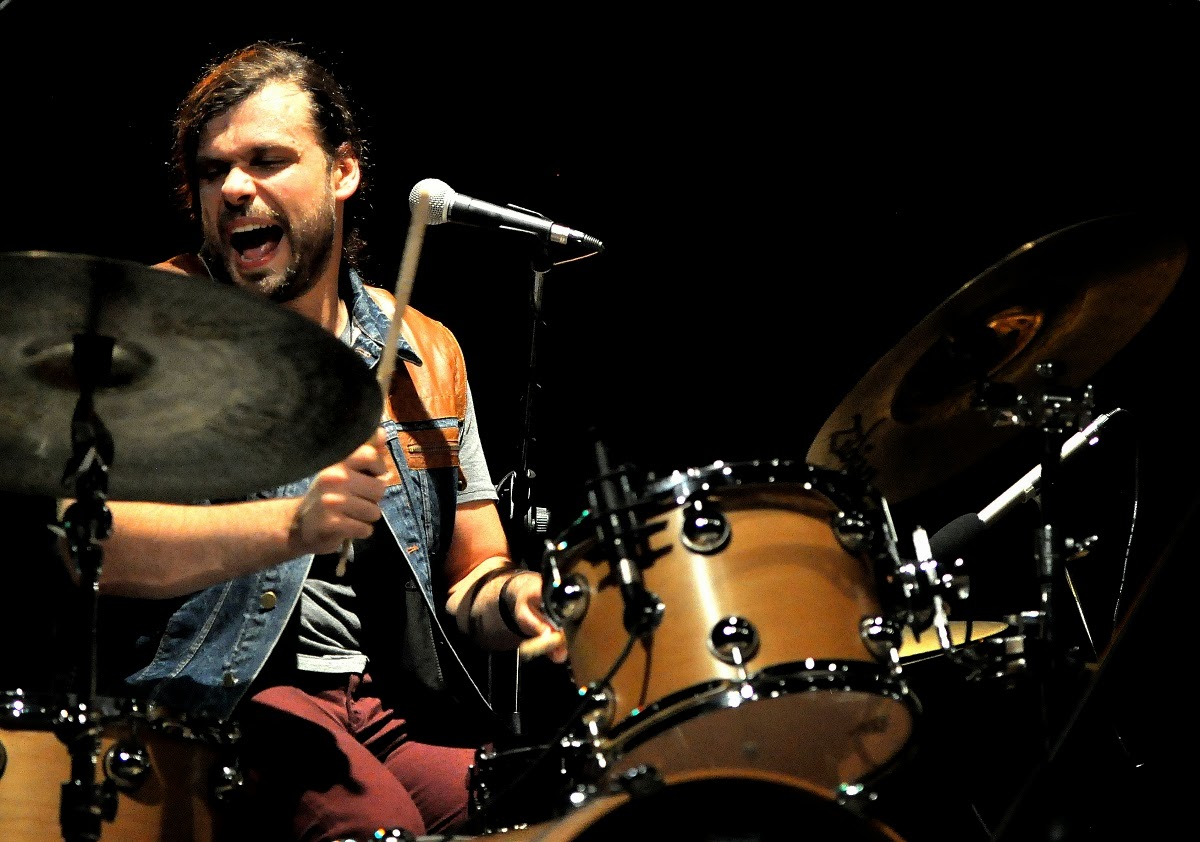
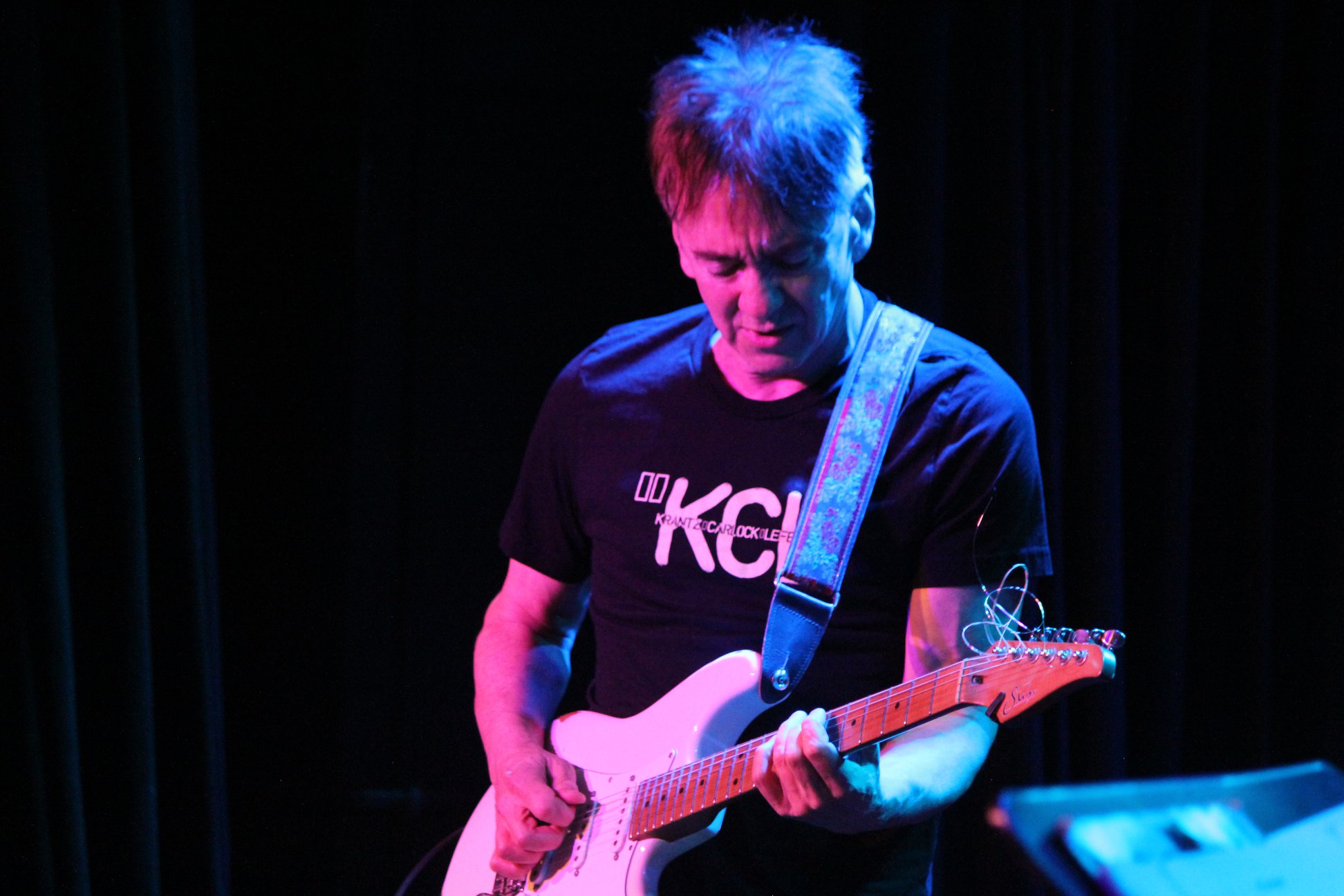
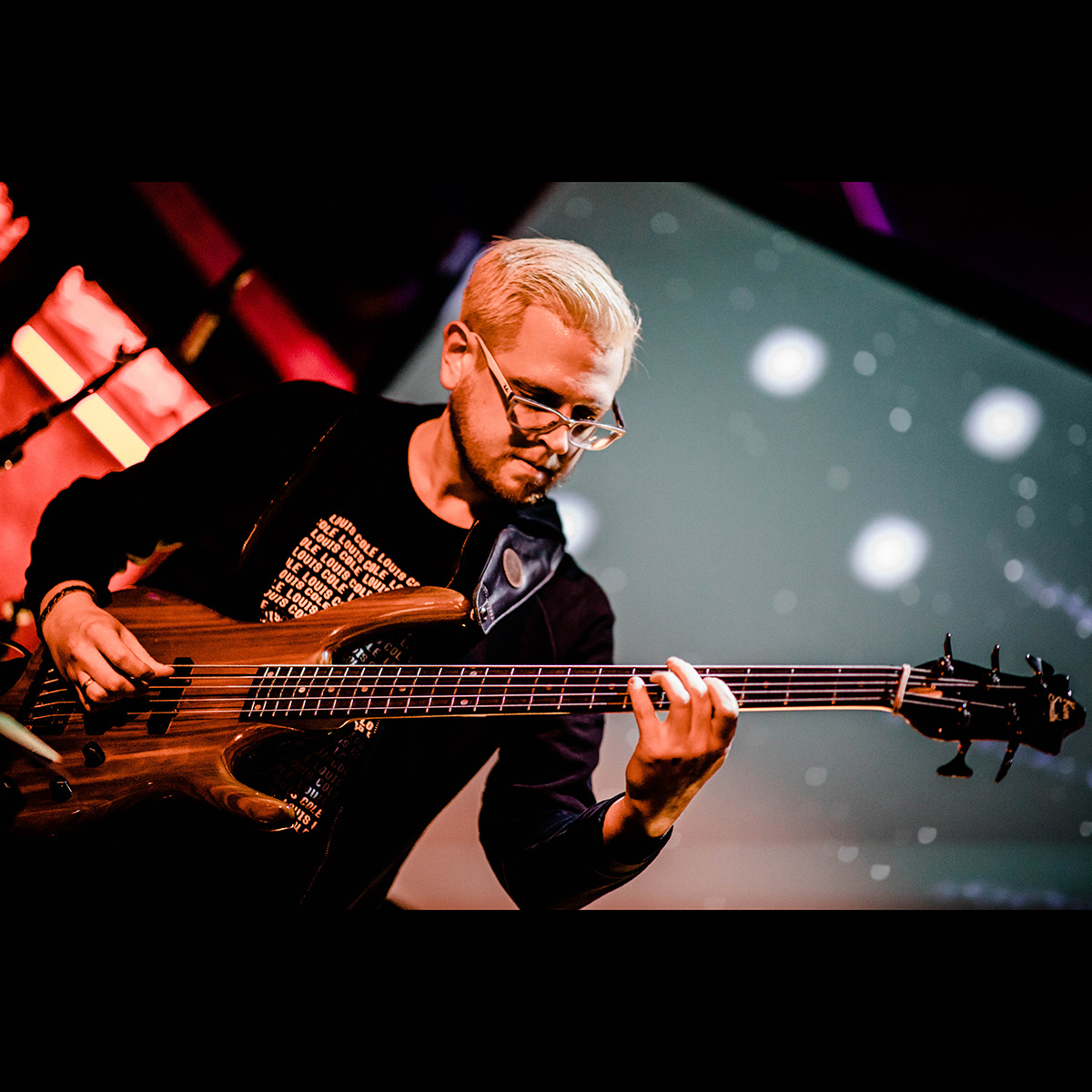

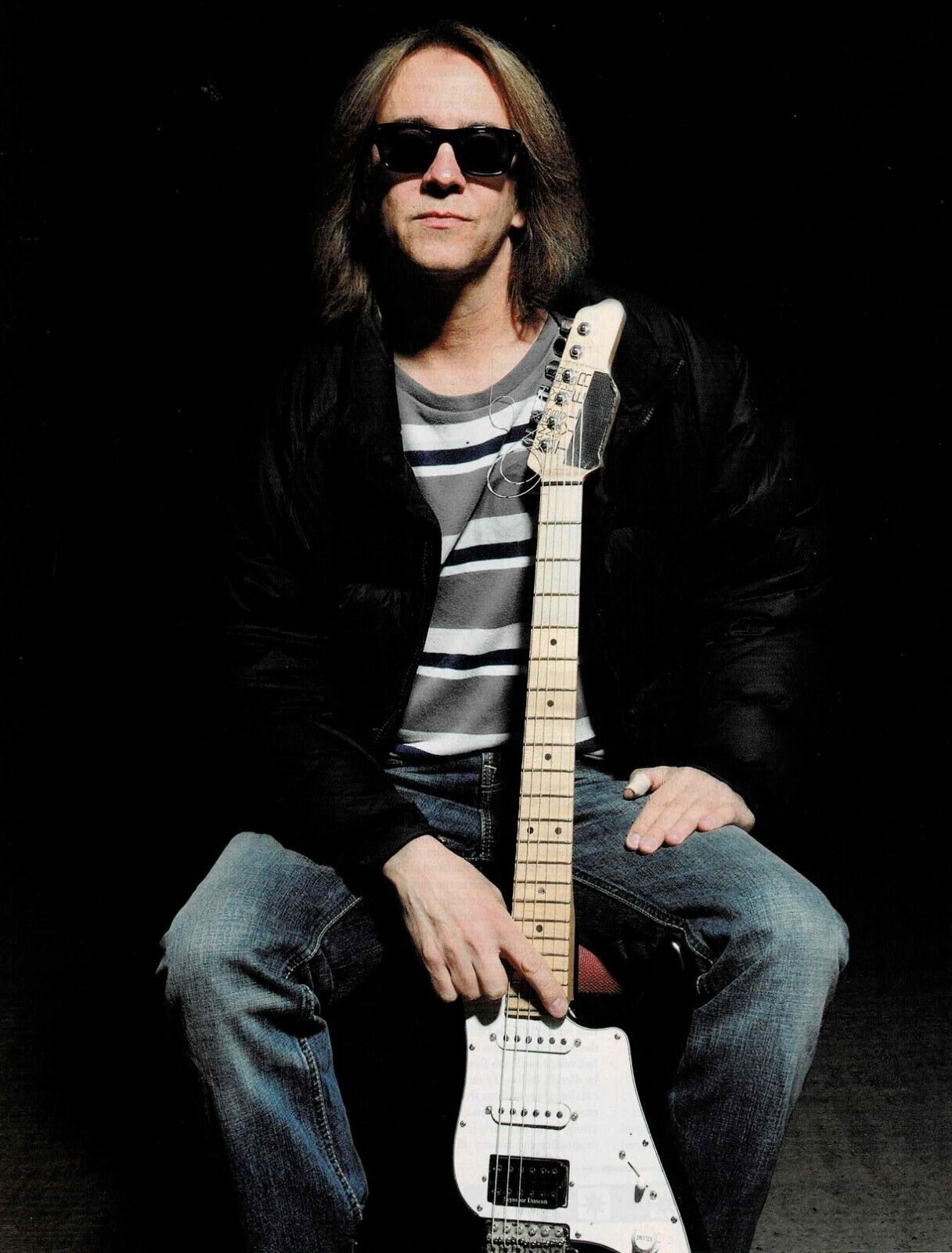
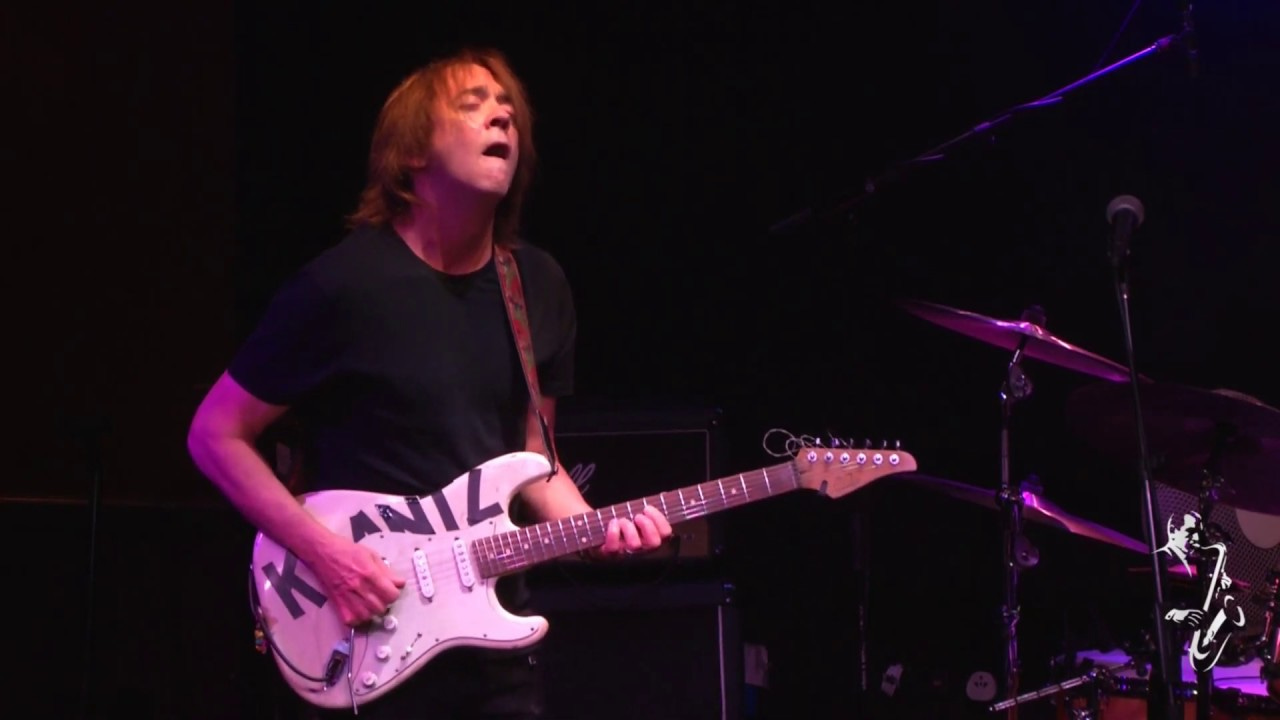
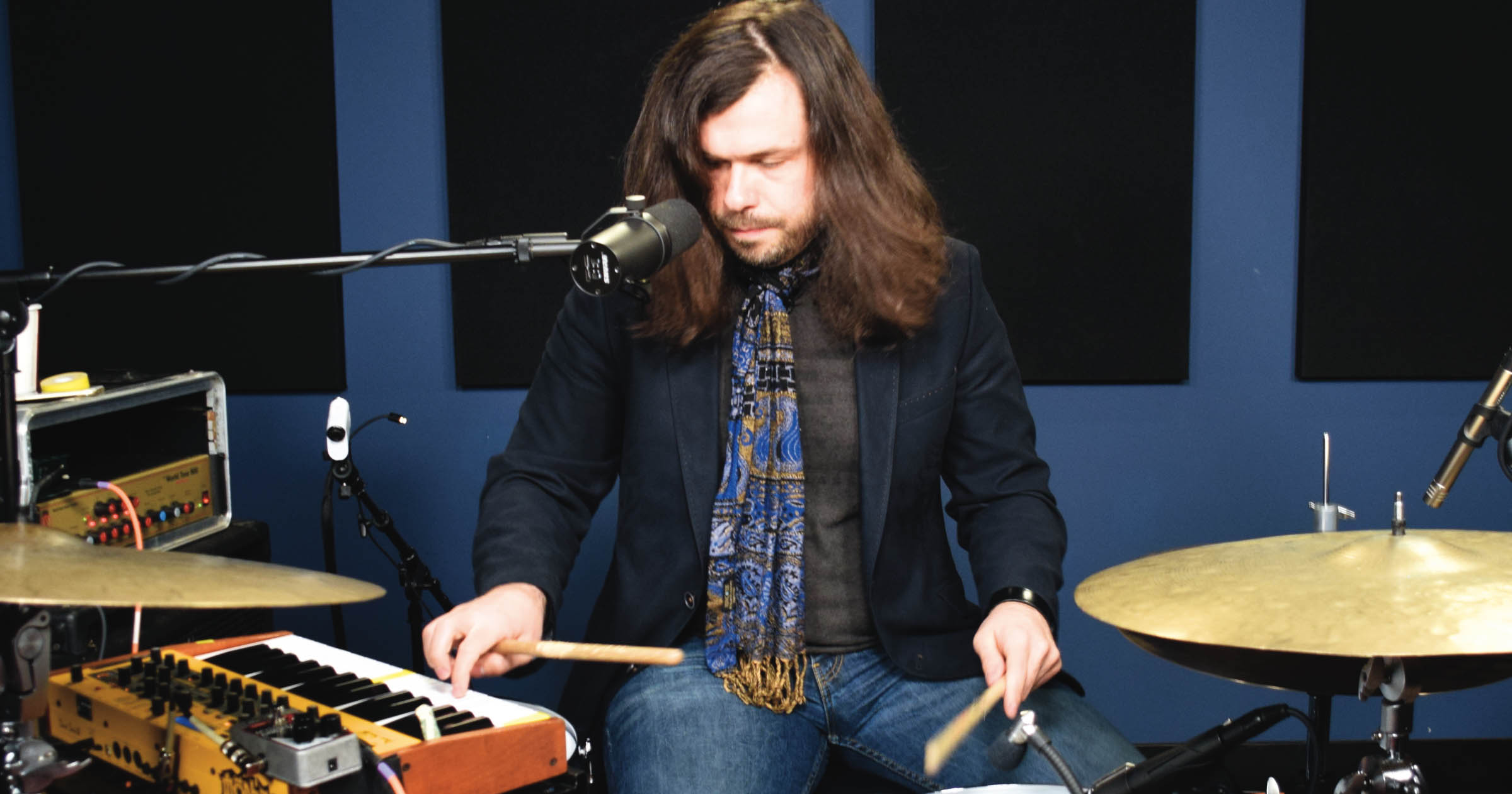
 Wayne Krantz was born in Corvallis, Oregon. He released his first album, Signals, in 1990, sporting an array of recognized jazz musicians such as Dennis Chambers, Don Alias, Anthony Jackson, and others.
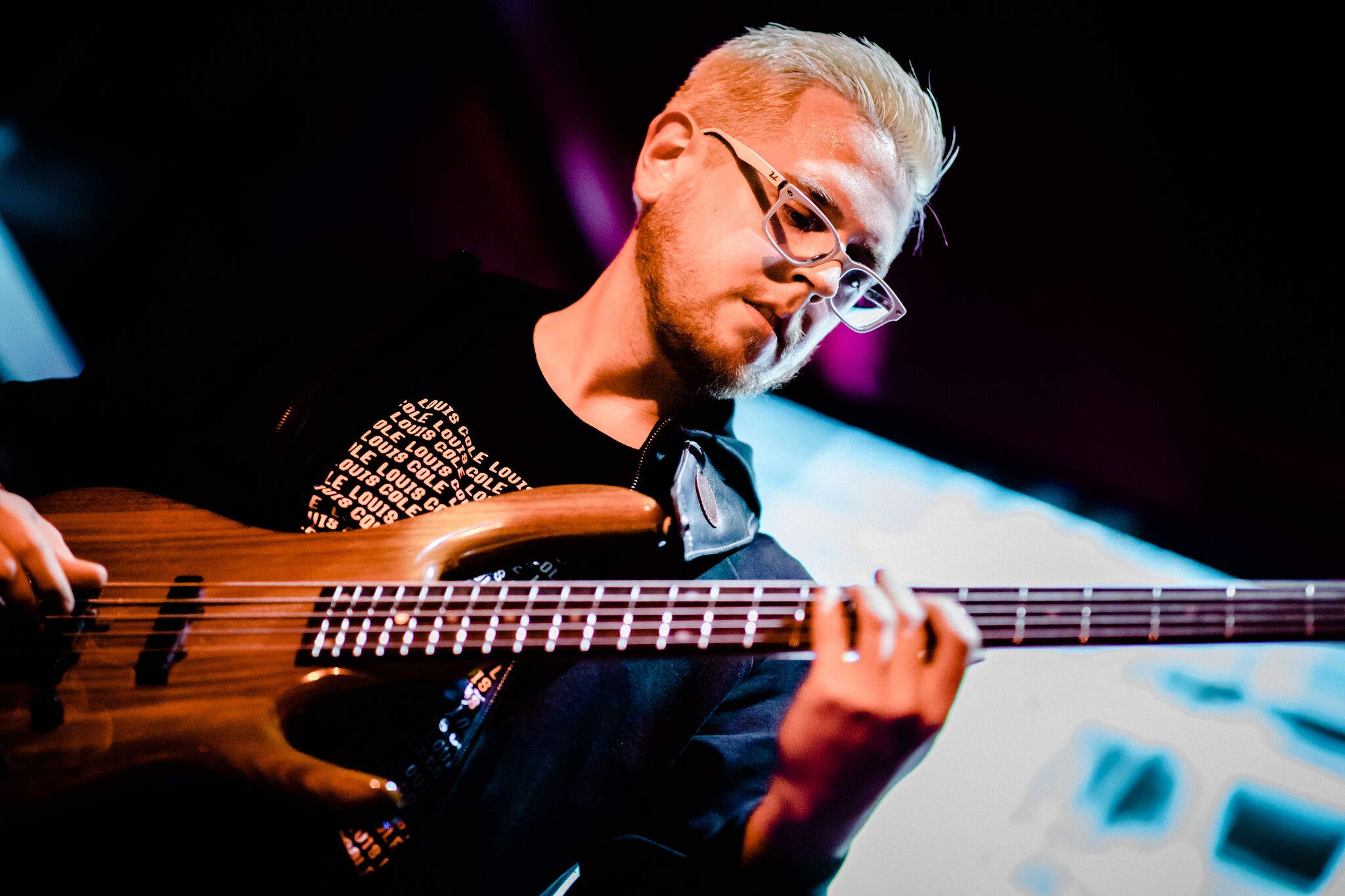
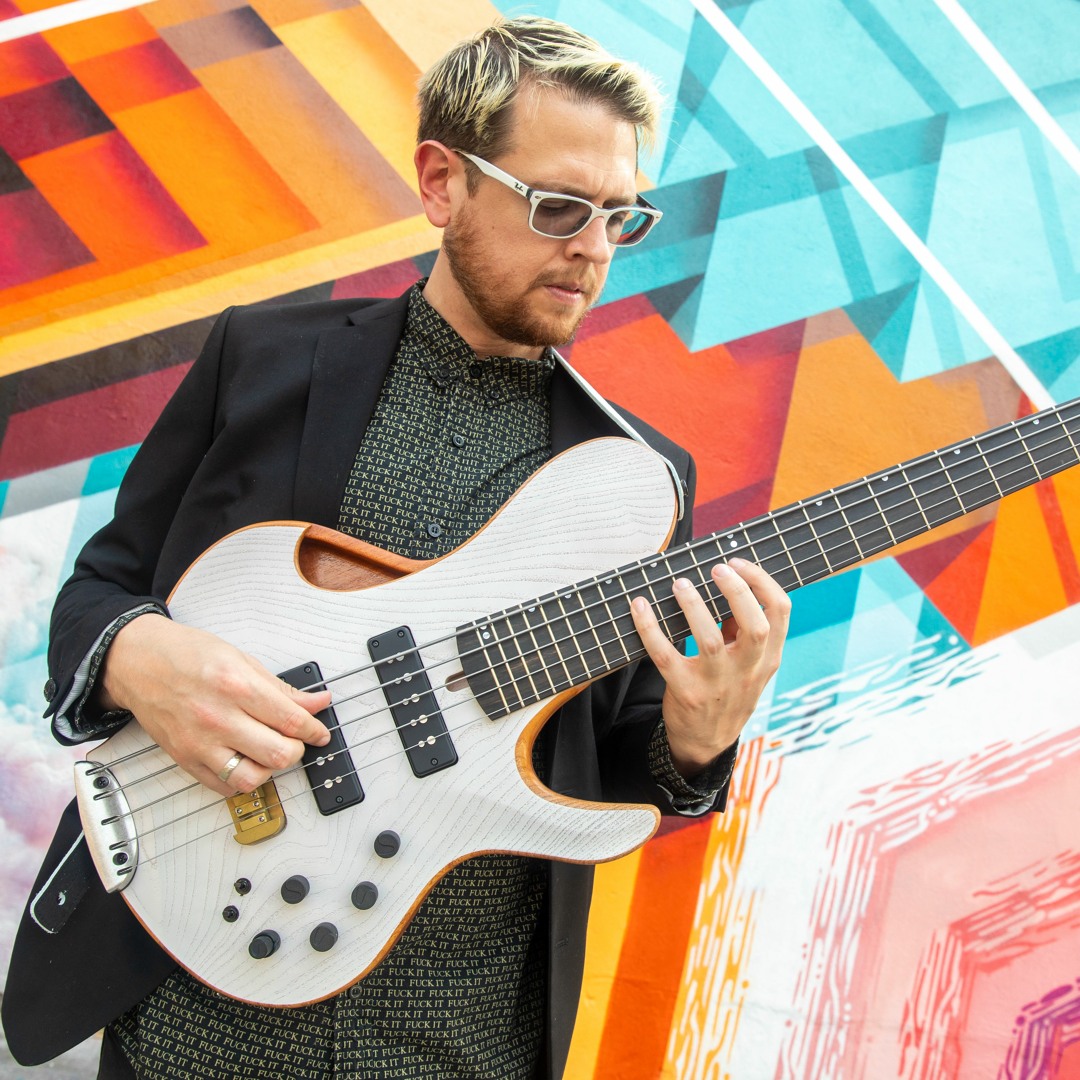
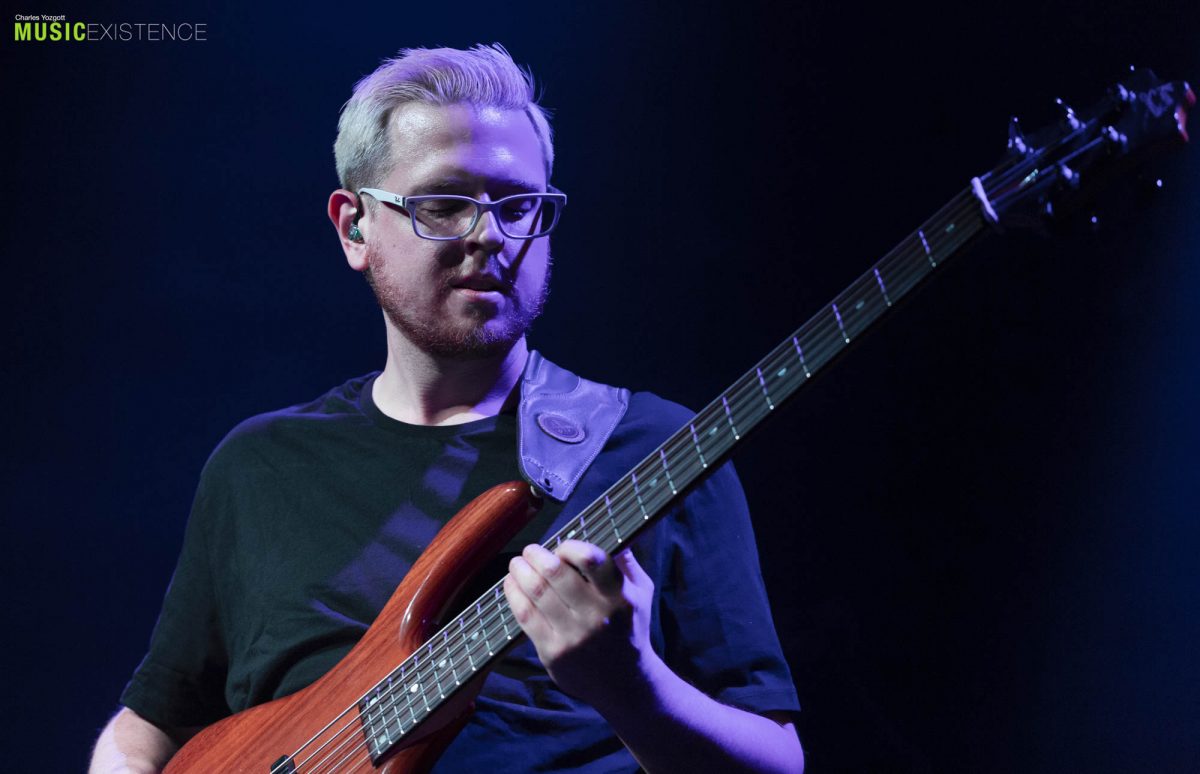
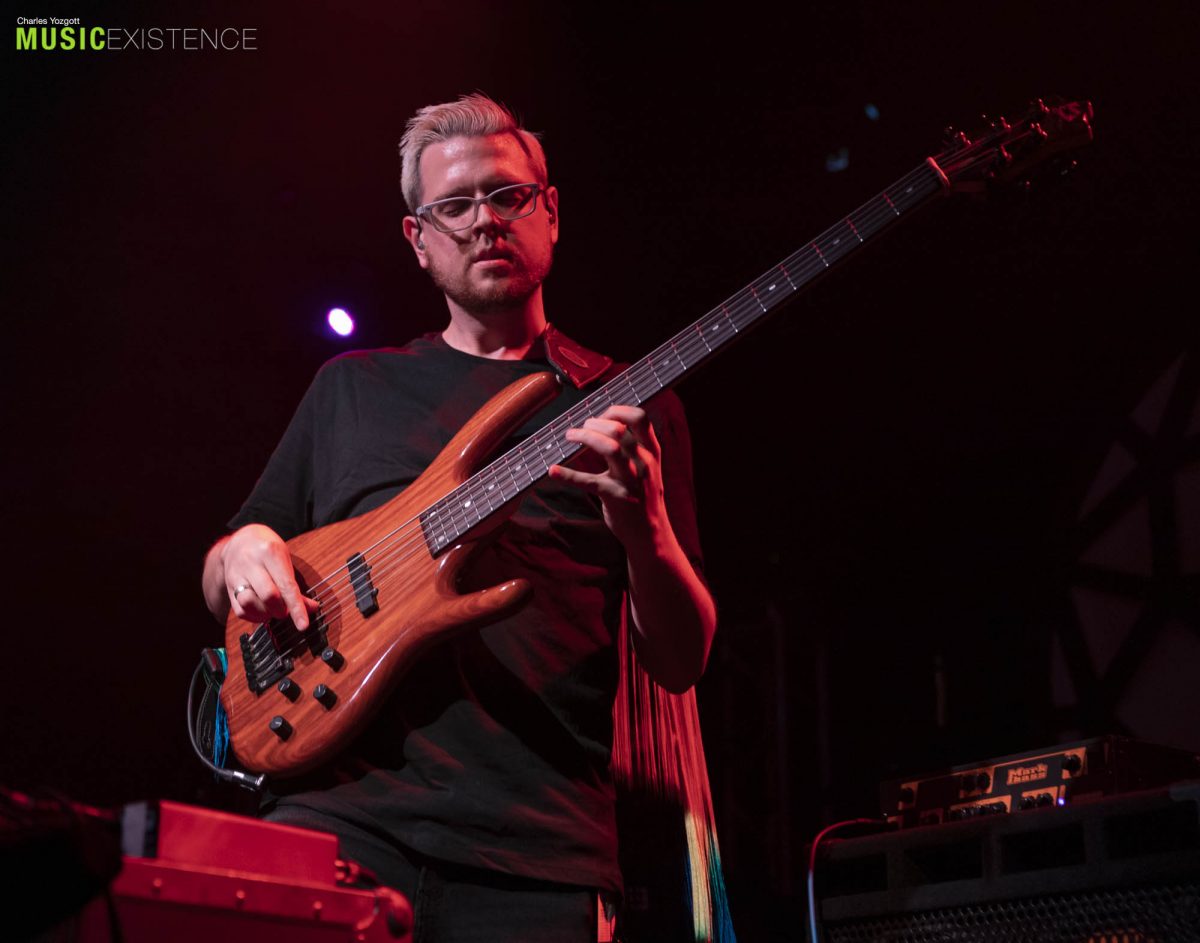
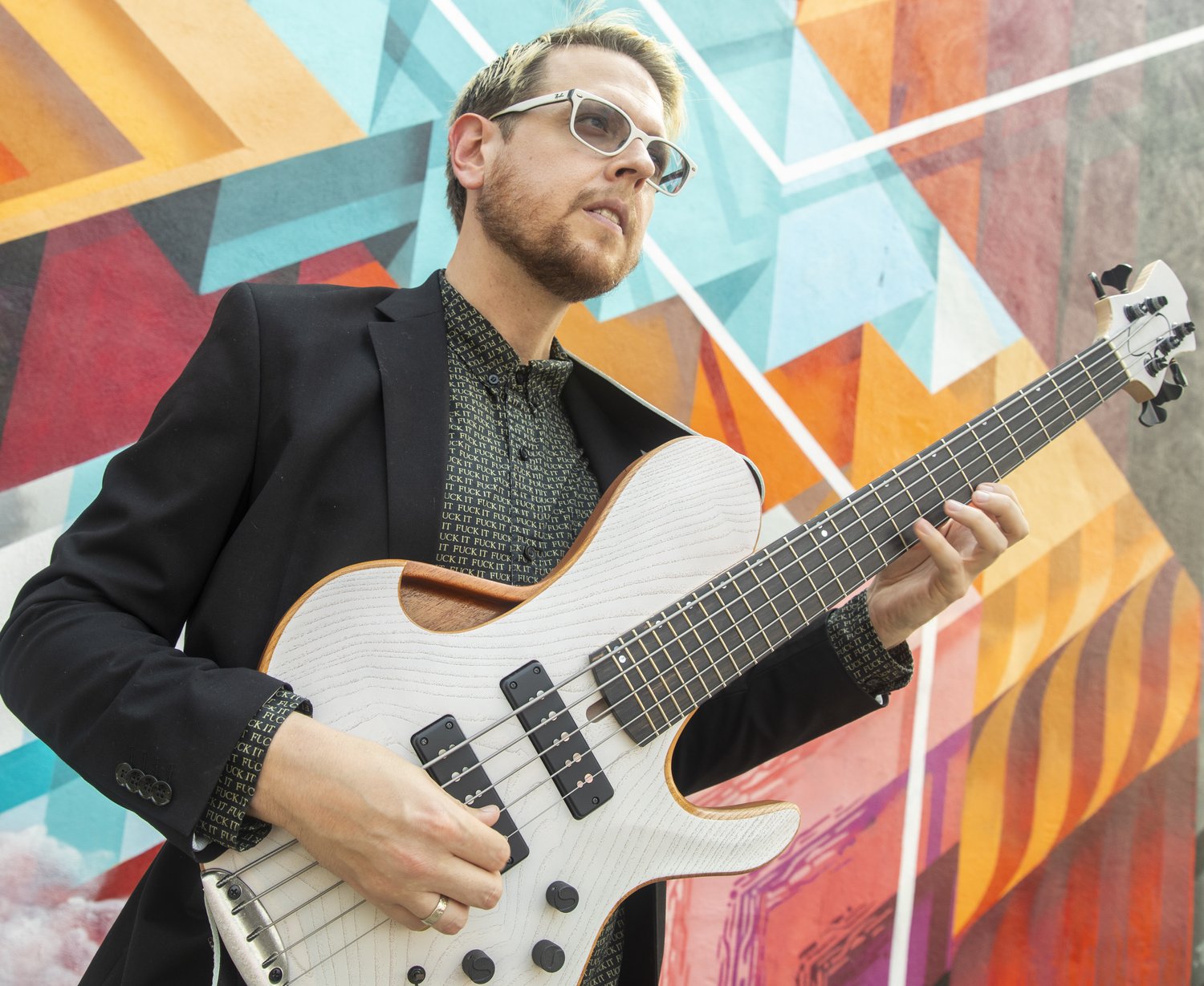
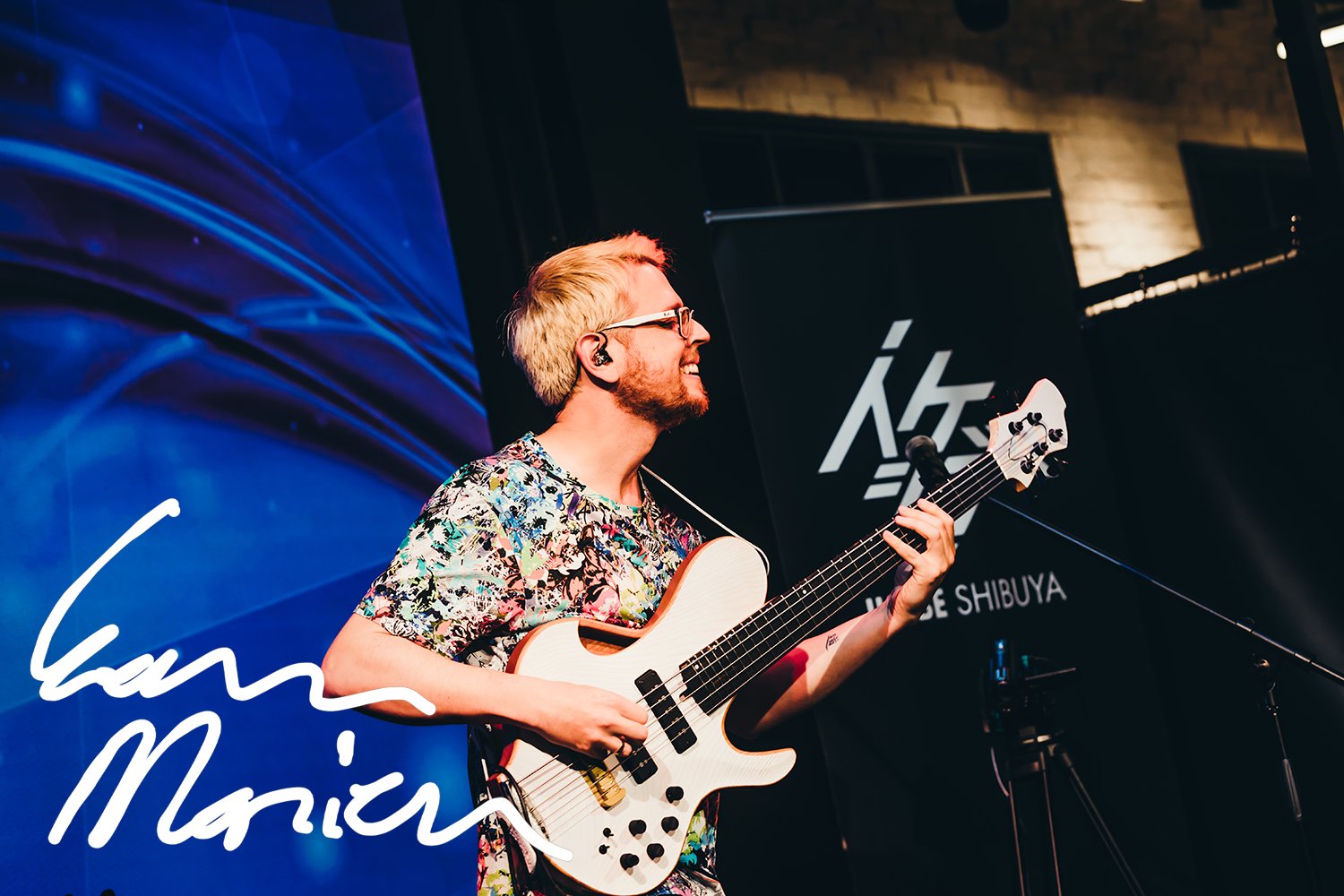
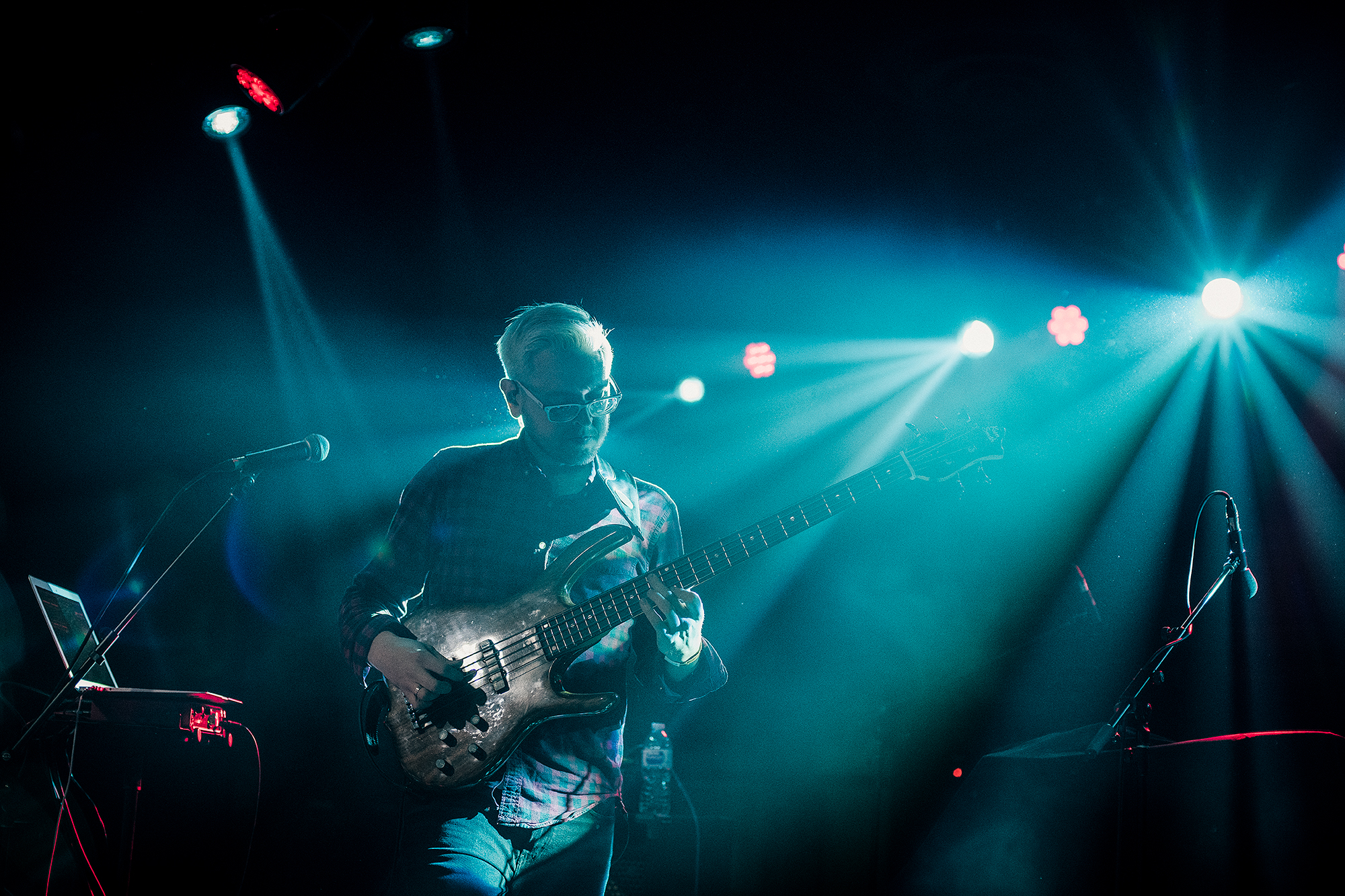
 Evan Marien is an award-winning bassist, composer, producer, author, educator, and 3D artist, born and raised in the cornfields of Decatur, Illinois. He graduated from Berklee College of Music in 2009 and has lived in the NYC area since 2010.
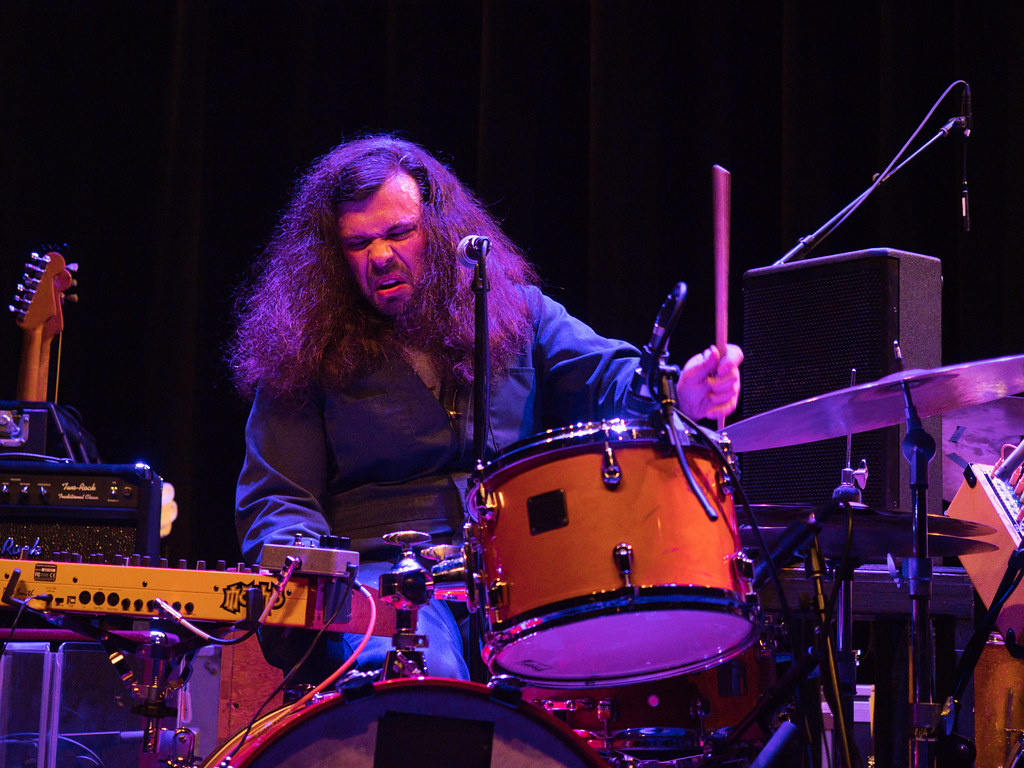
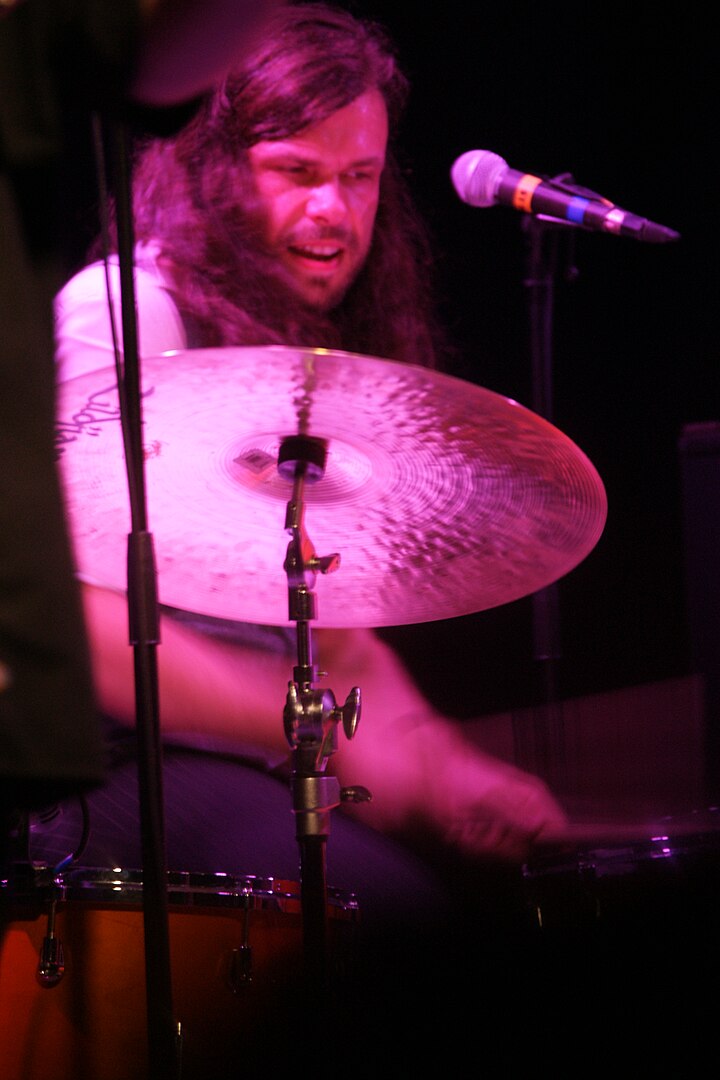
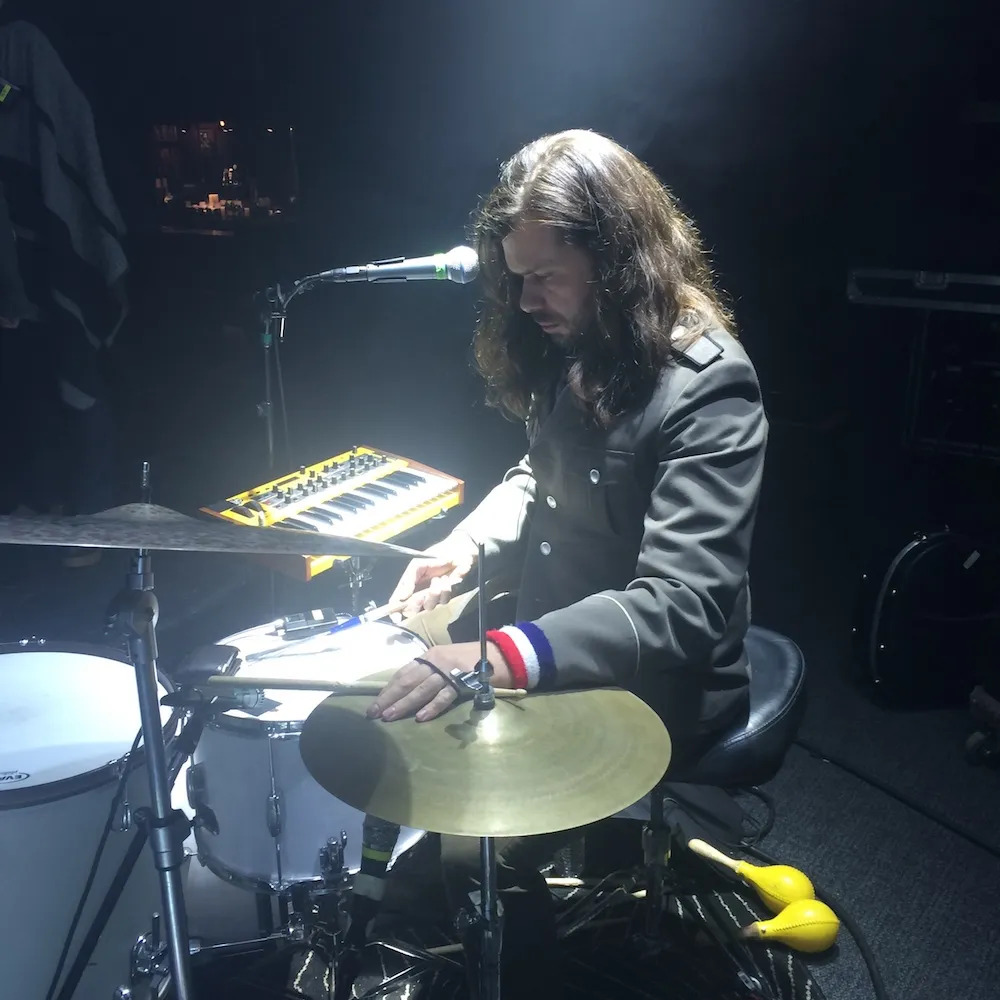
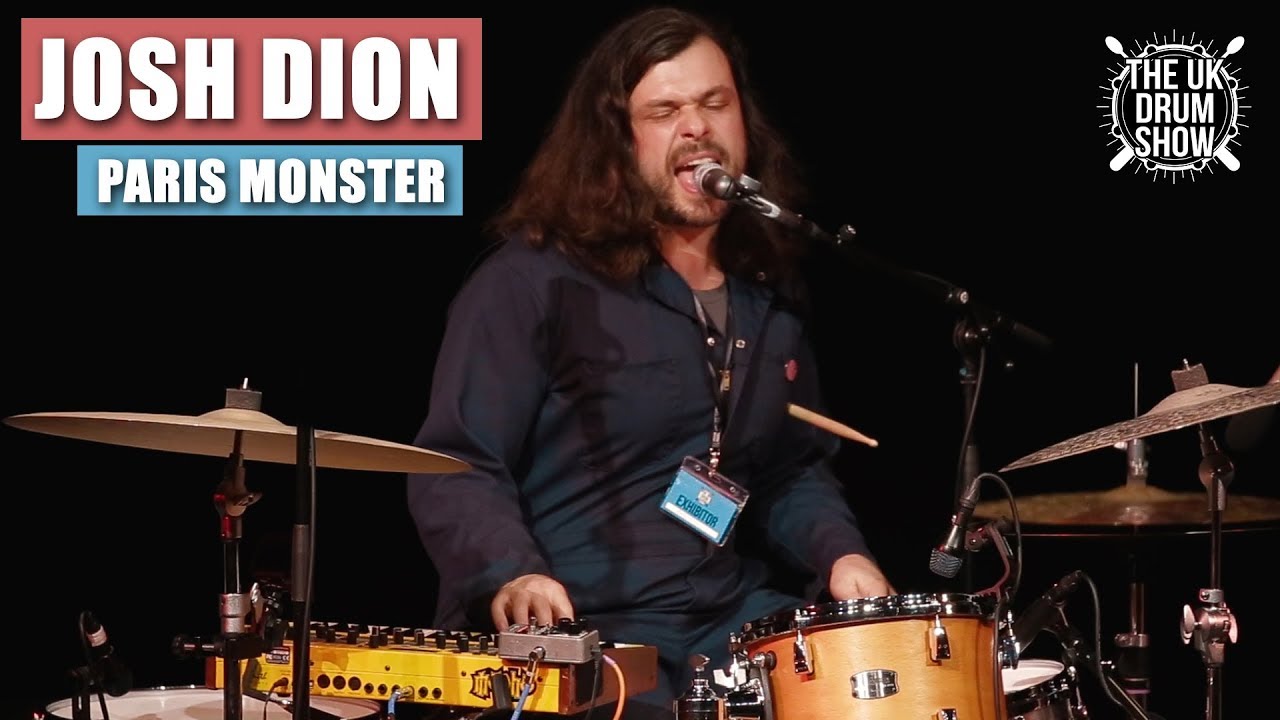
 Josh Dion was born at the tail end of the disco funk era, when popular radio bore the sounds of Quincy Jones, Michael Jackson, and ‘four on the floor’ drum beats! Raised in Storrs, CT, Josh started playing his father’s drums before he even started kindergarten. He grew up playing drums to the simple and beat driven sounds of Nick Mason and Ringo Starr. He also lived across the hall from his older brother, who not only followed the Grateful Dead, but introduced him to Cream at the tender age of seven. Rightfully so, Cream, Zeppelin and the Stones led Dion to Willie Dixon, Robert Johnson and beyond.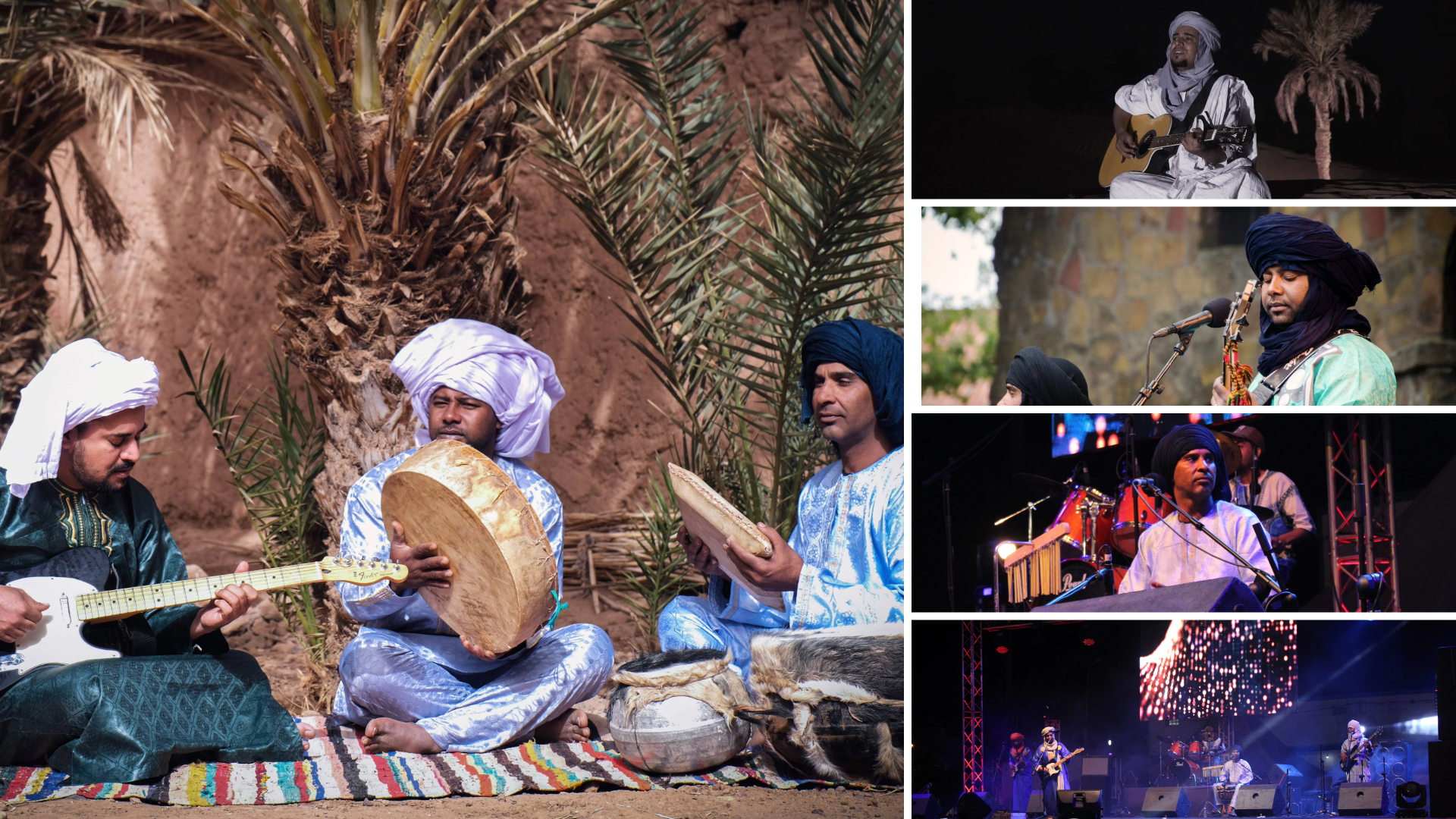


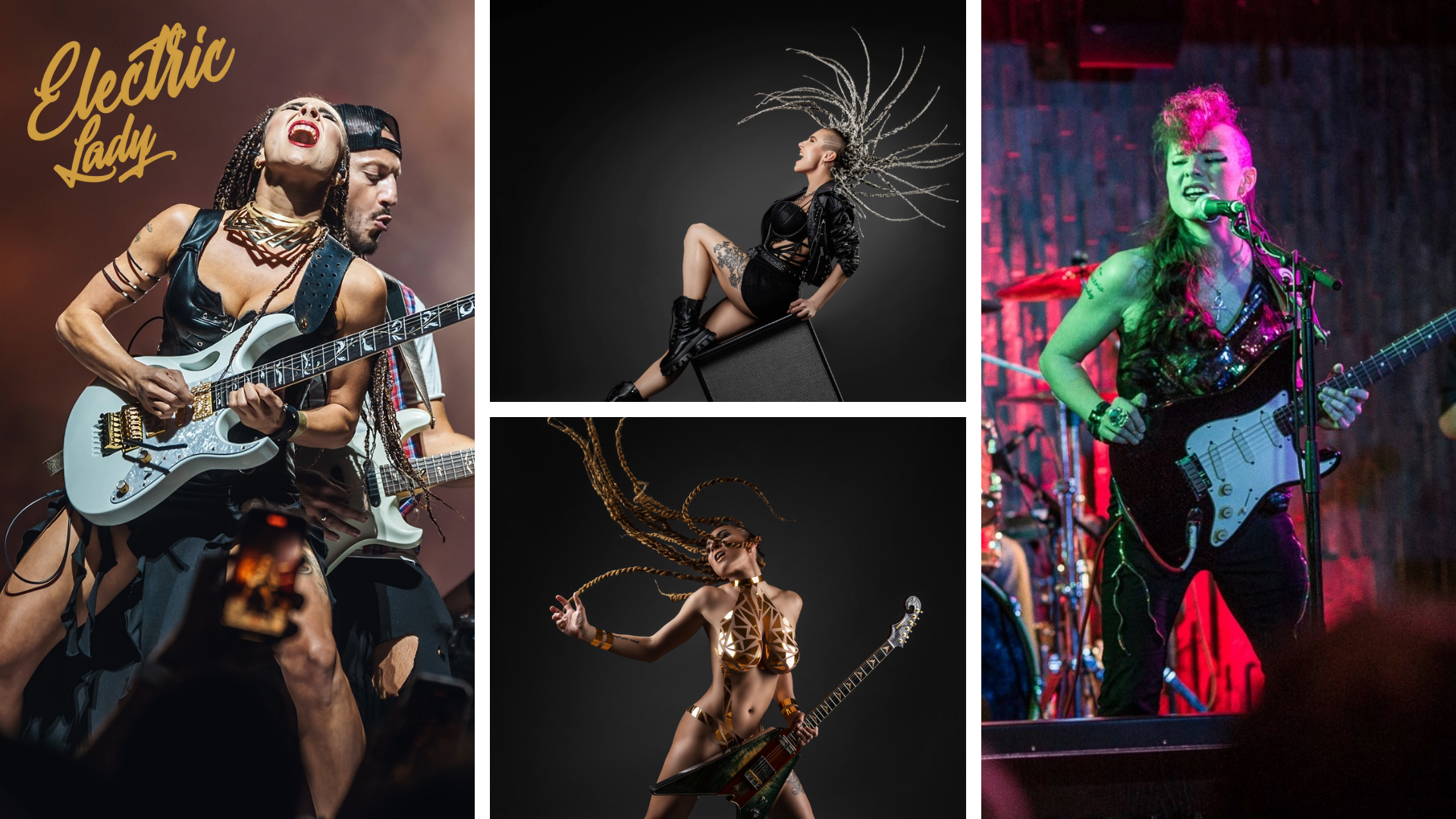
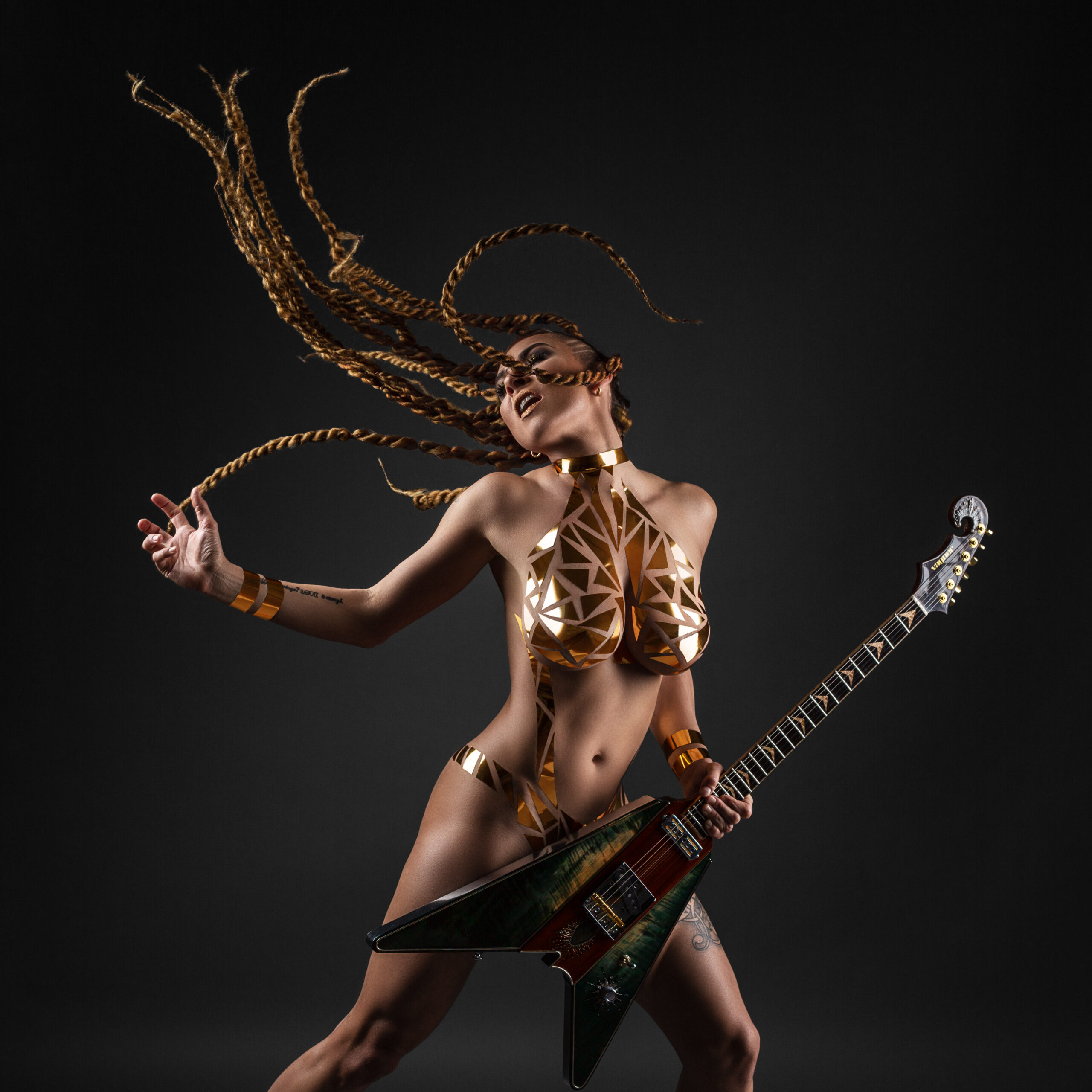
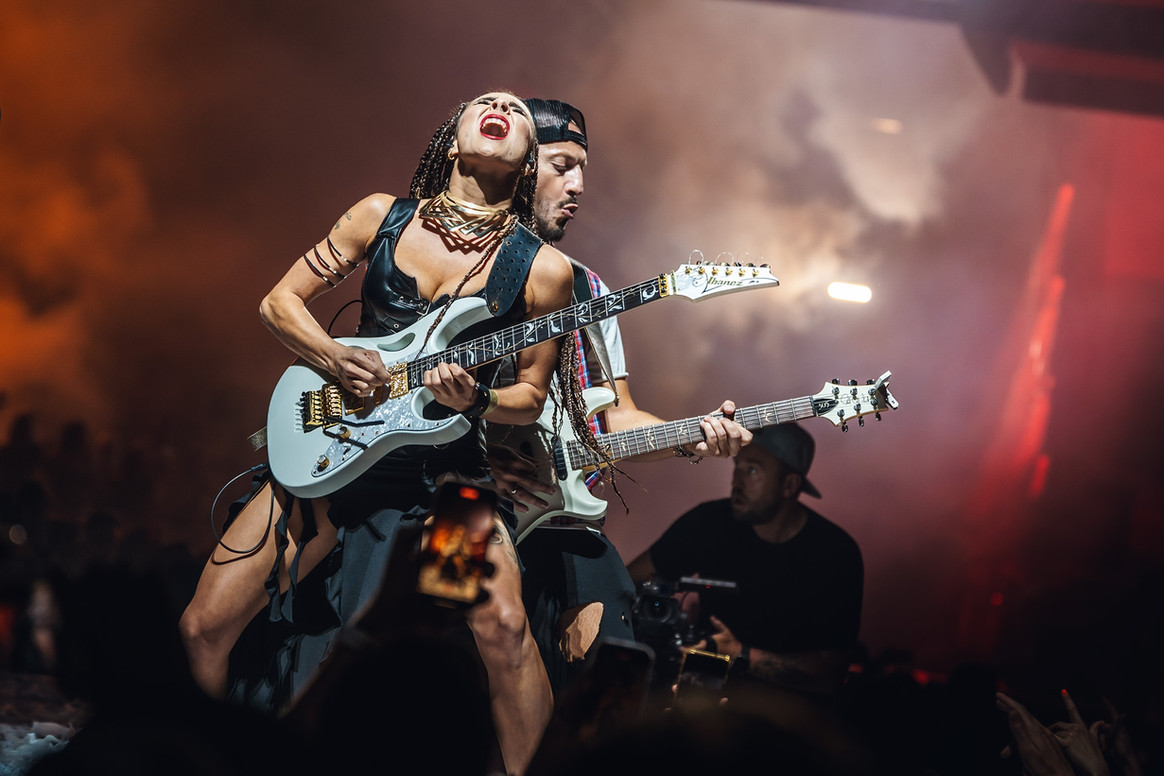
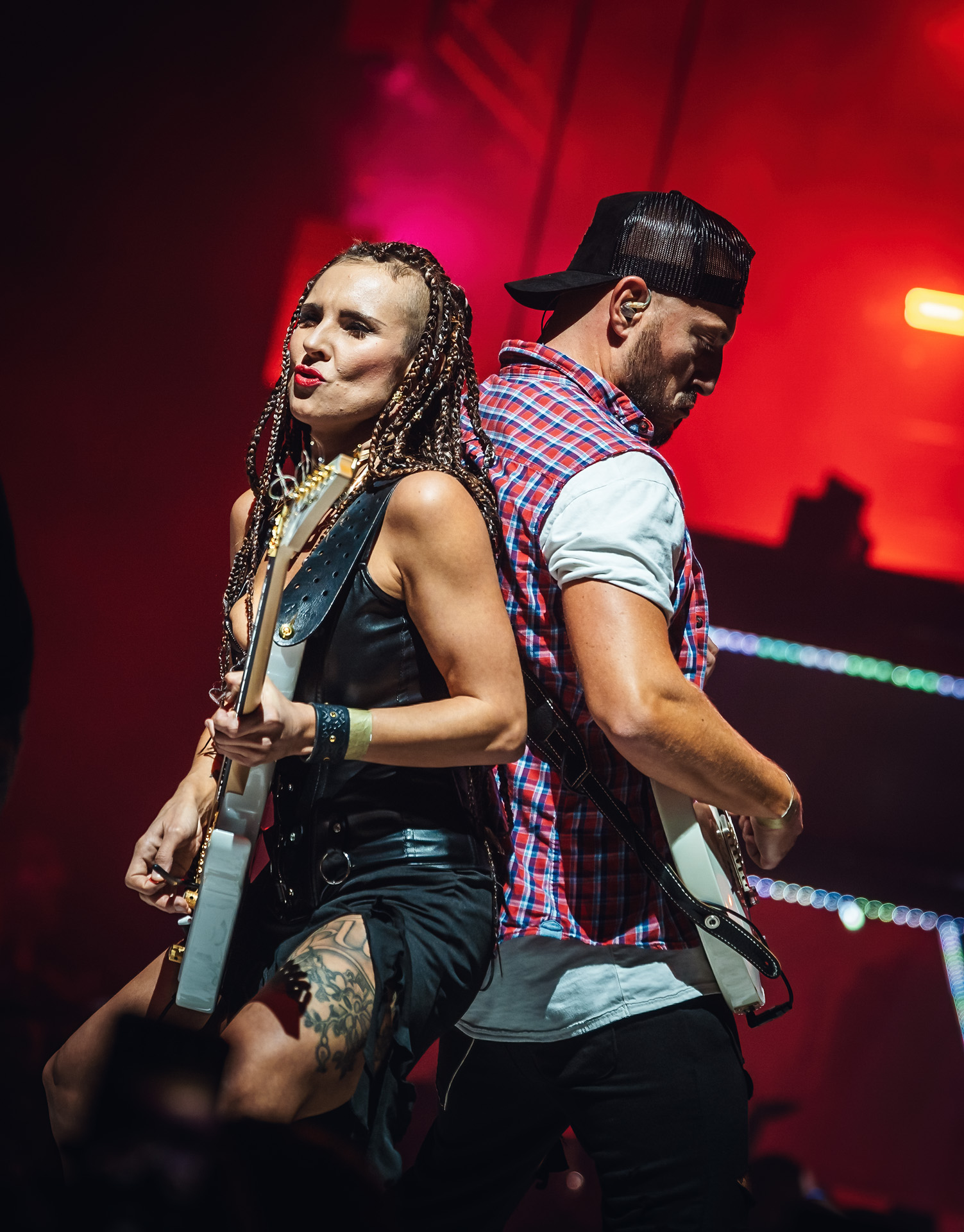

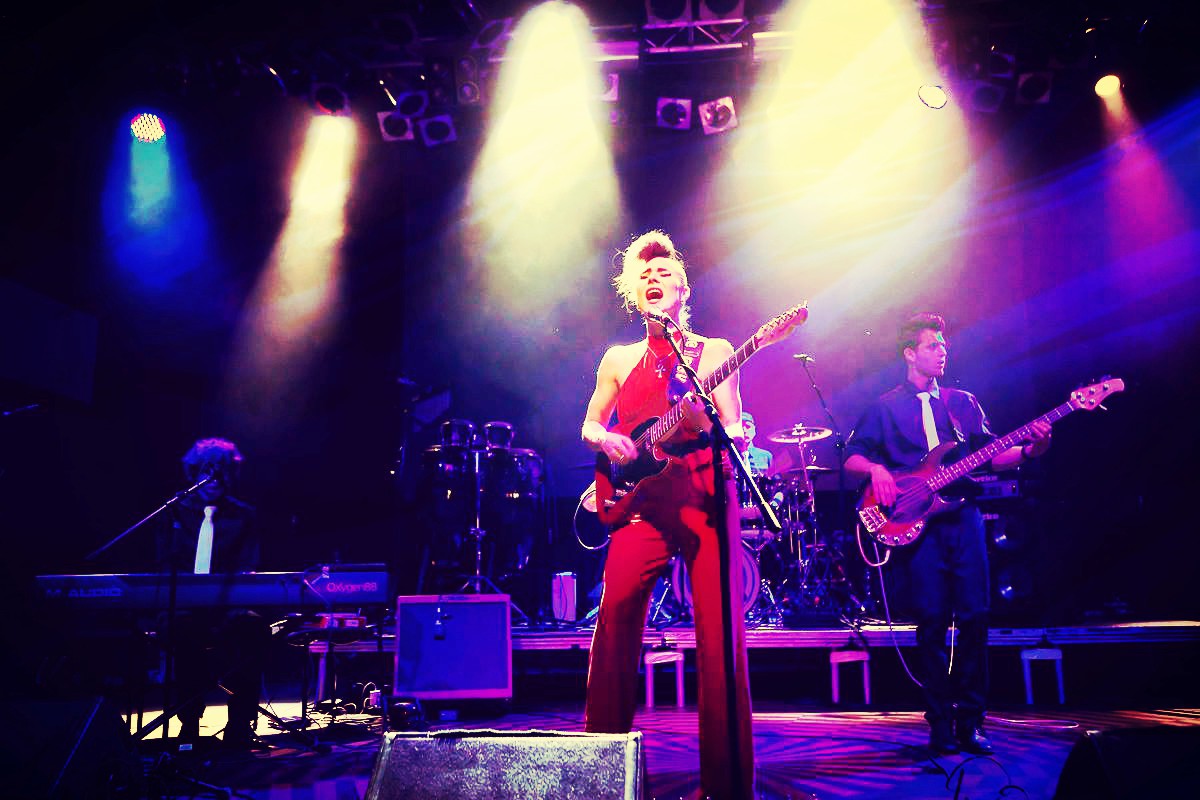

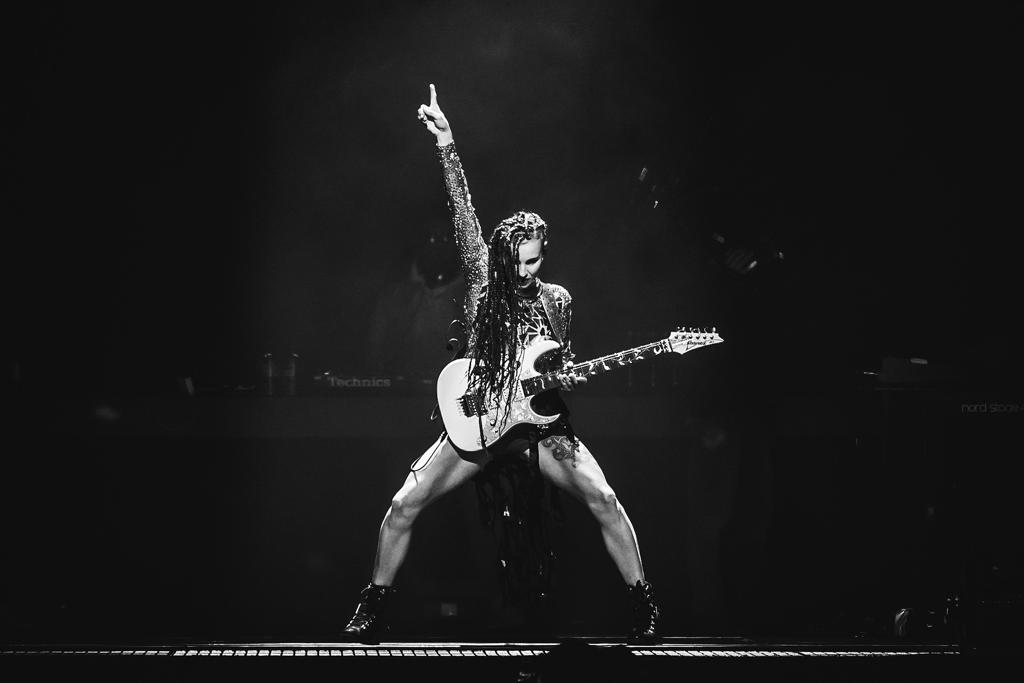

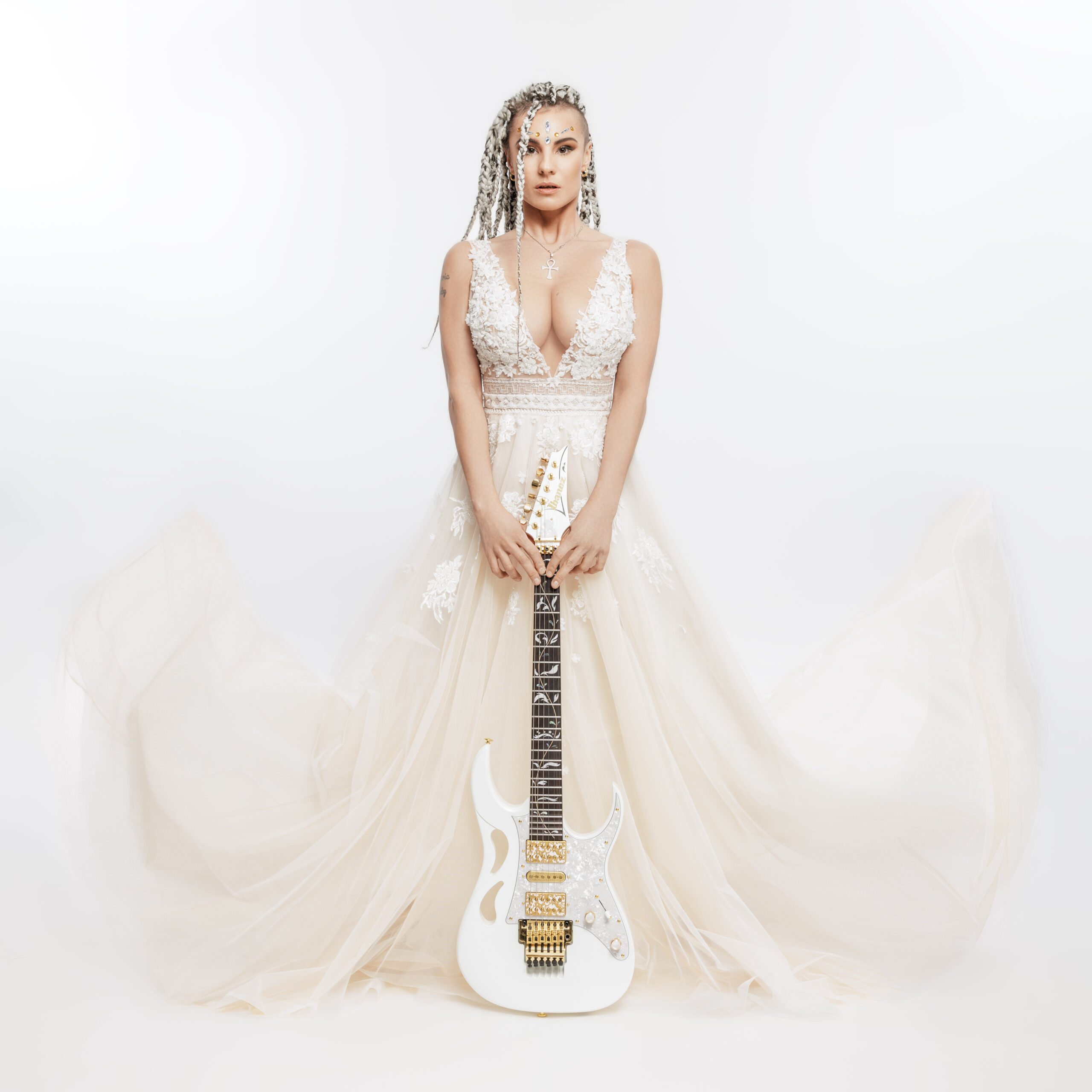
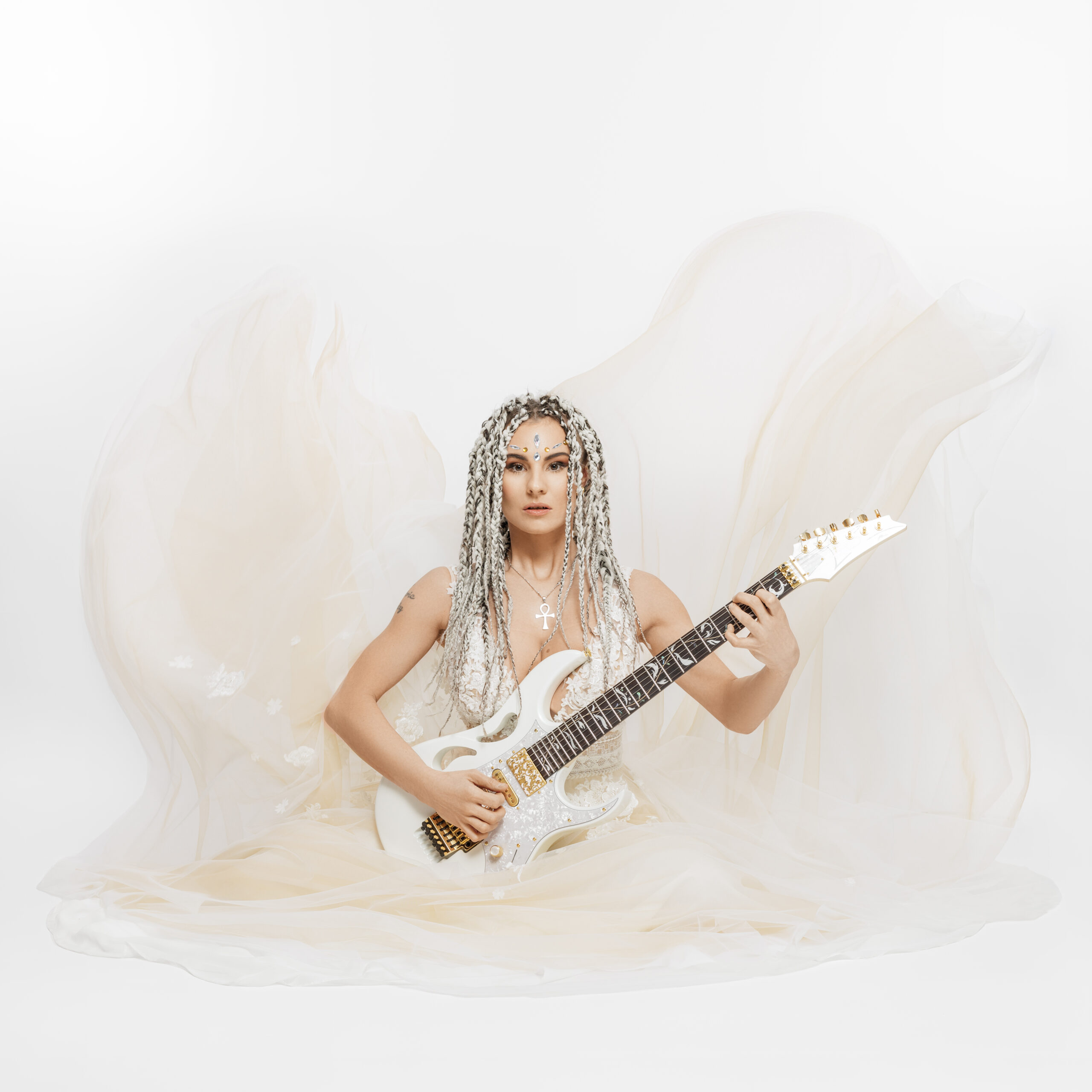
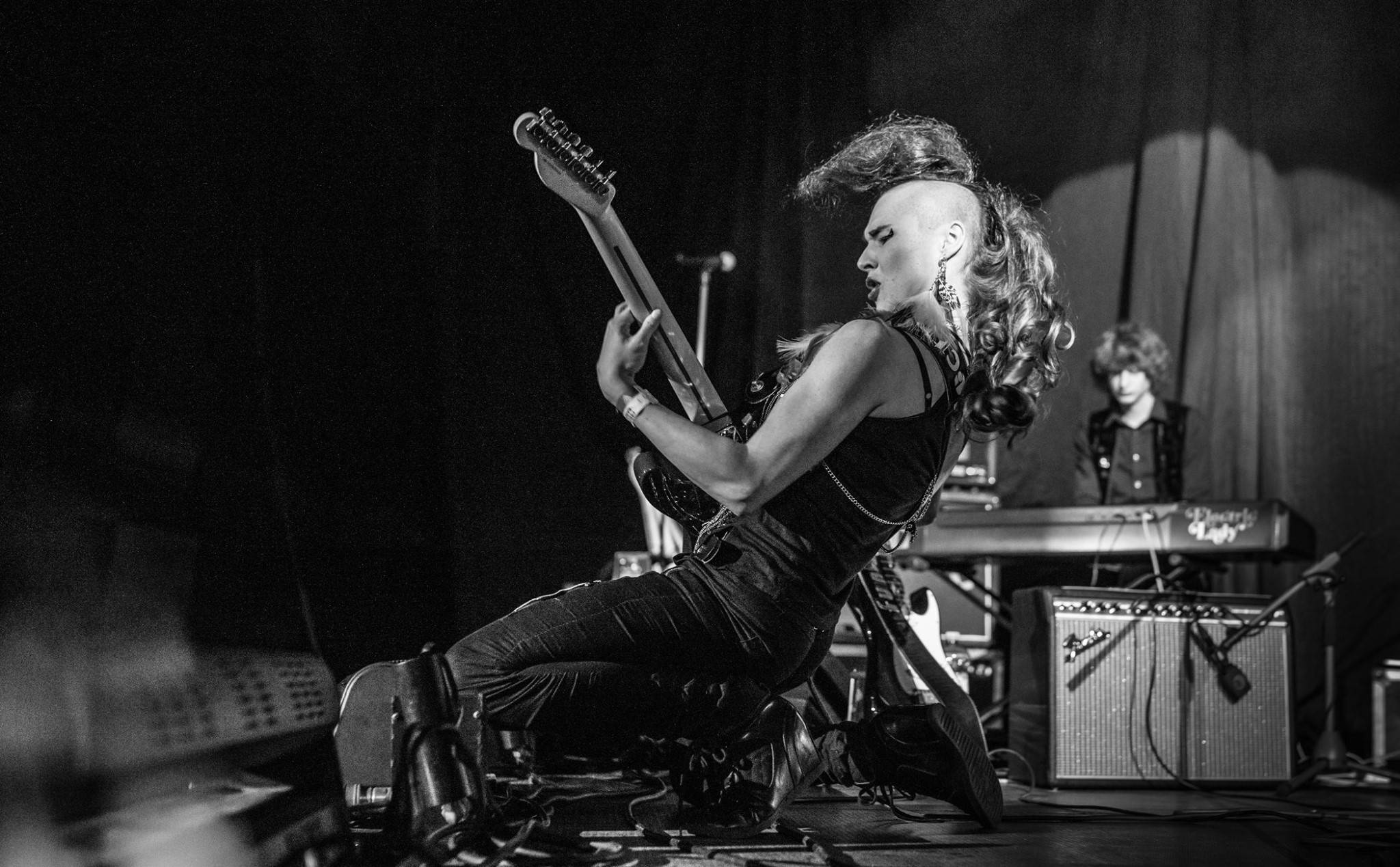
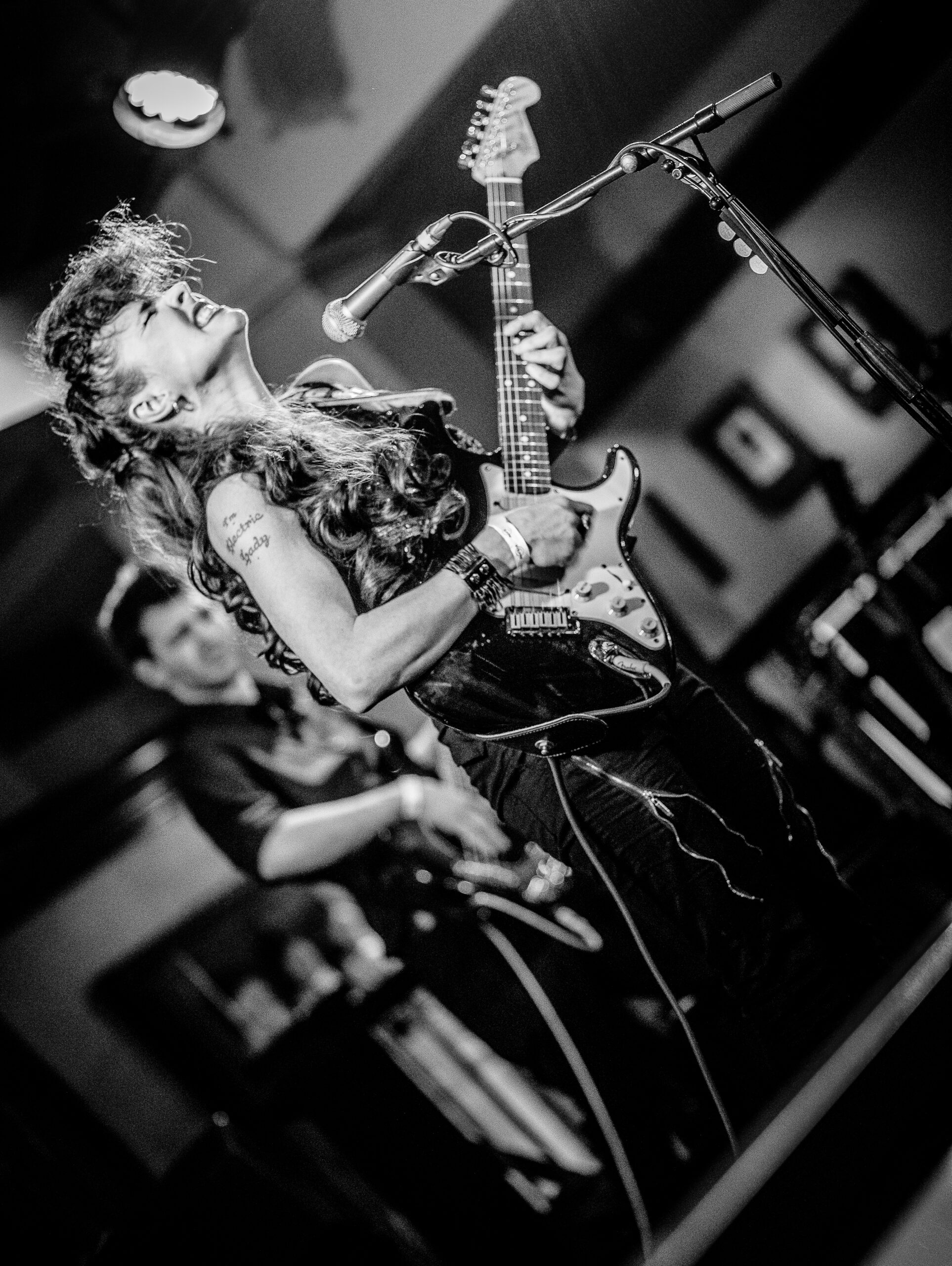
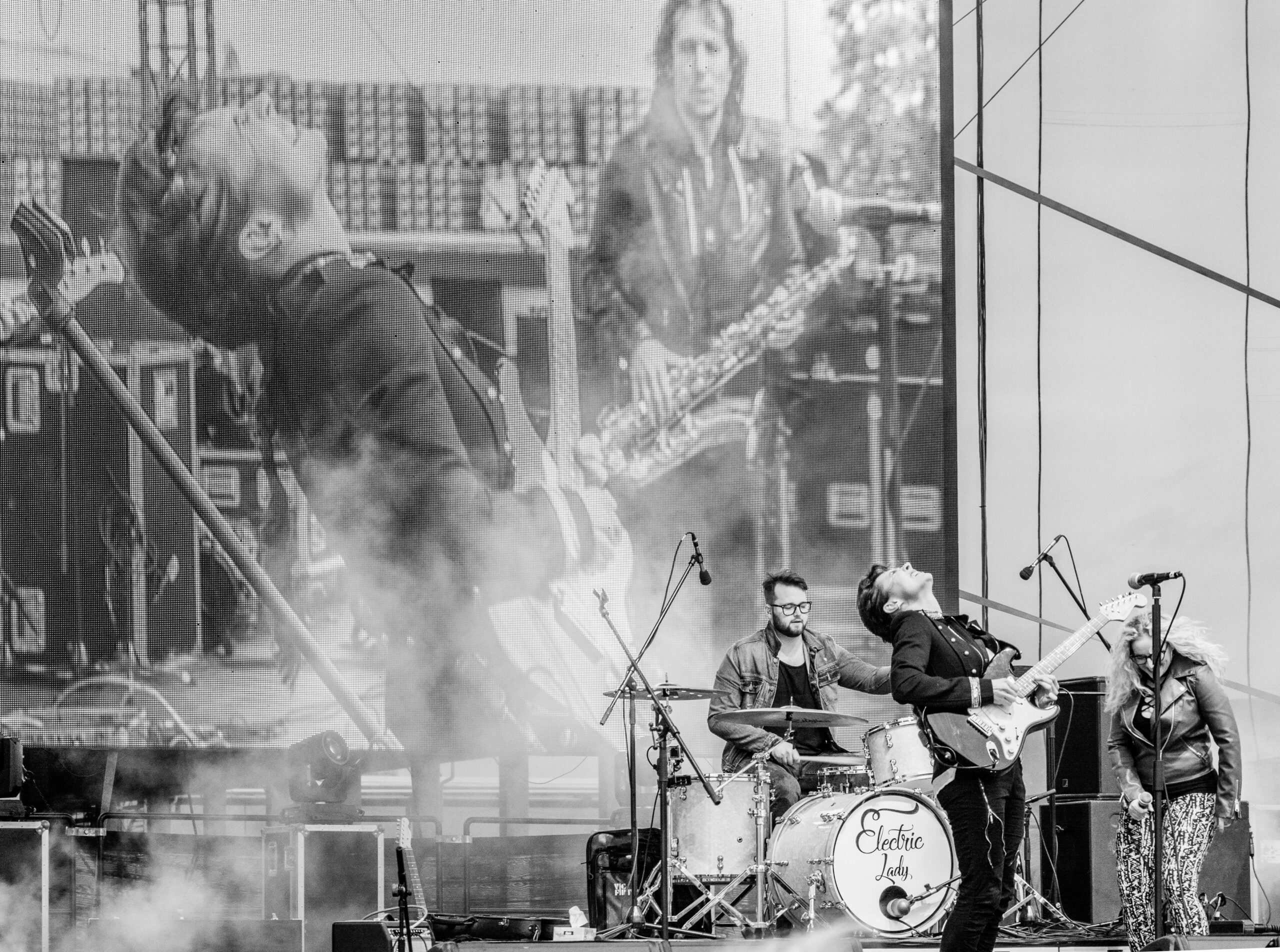



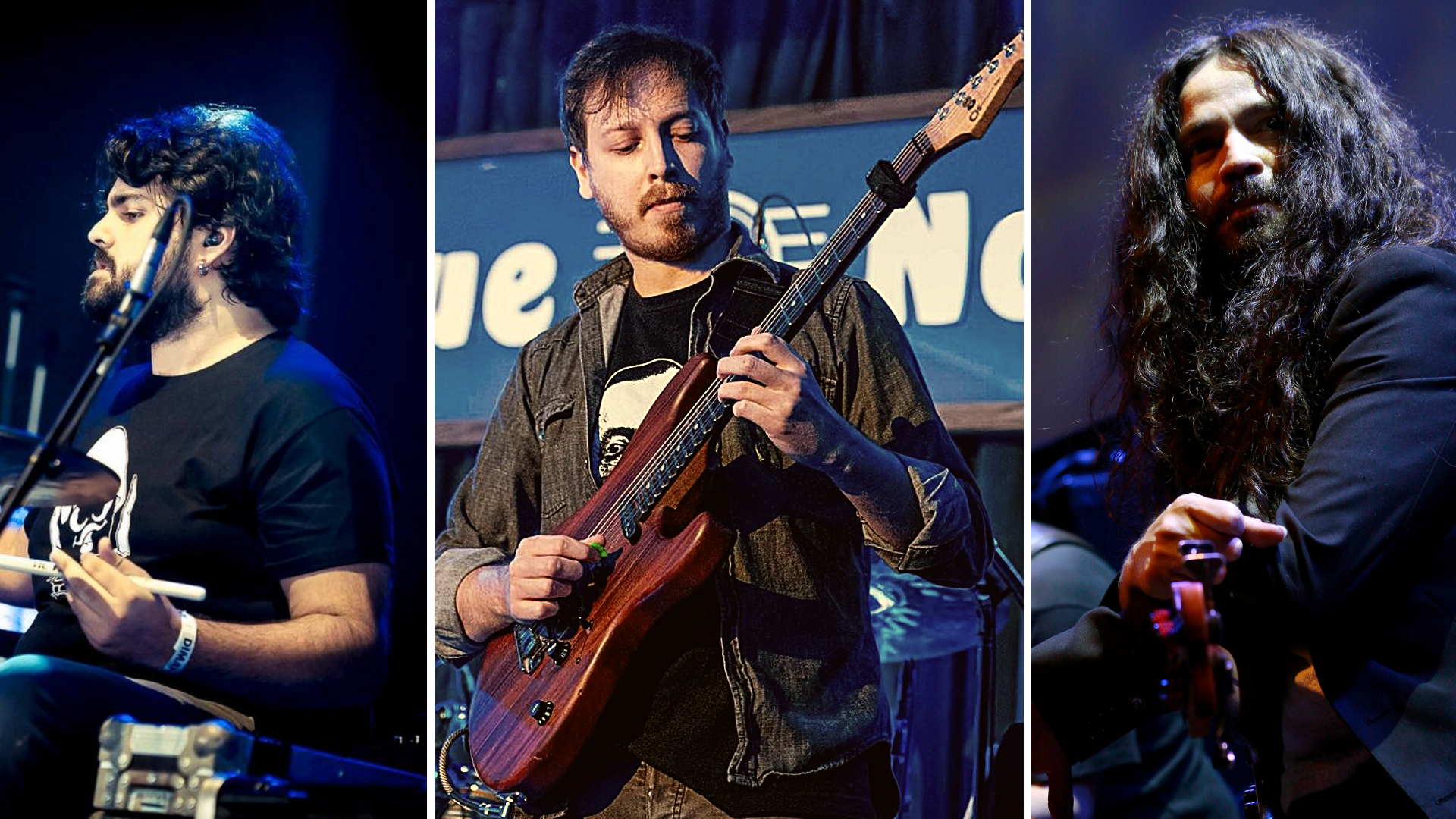


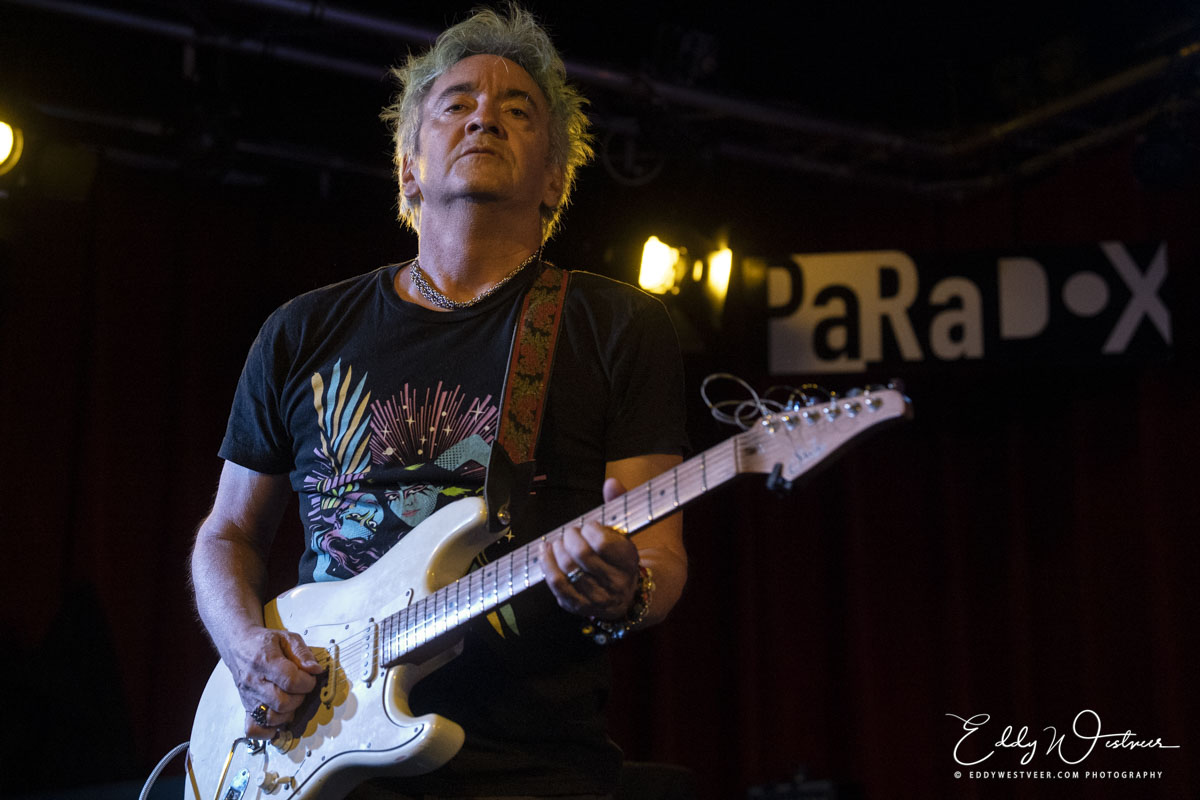
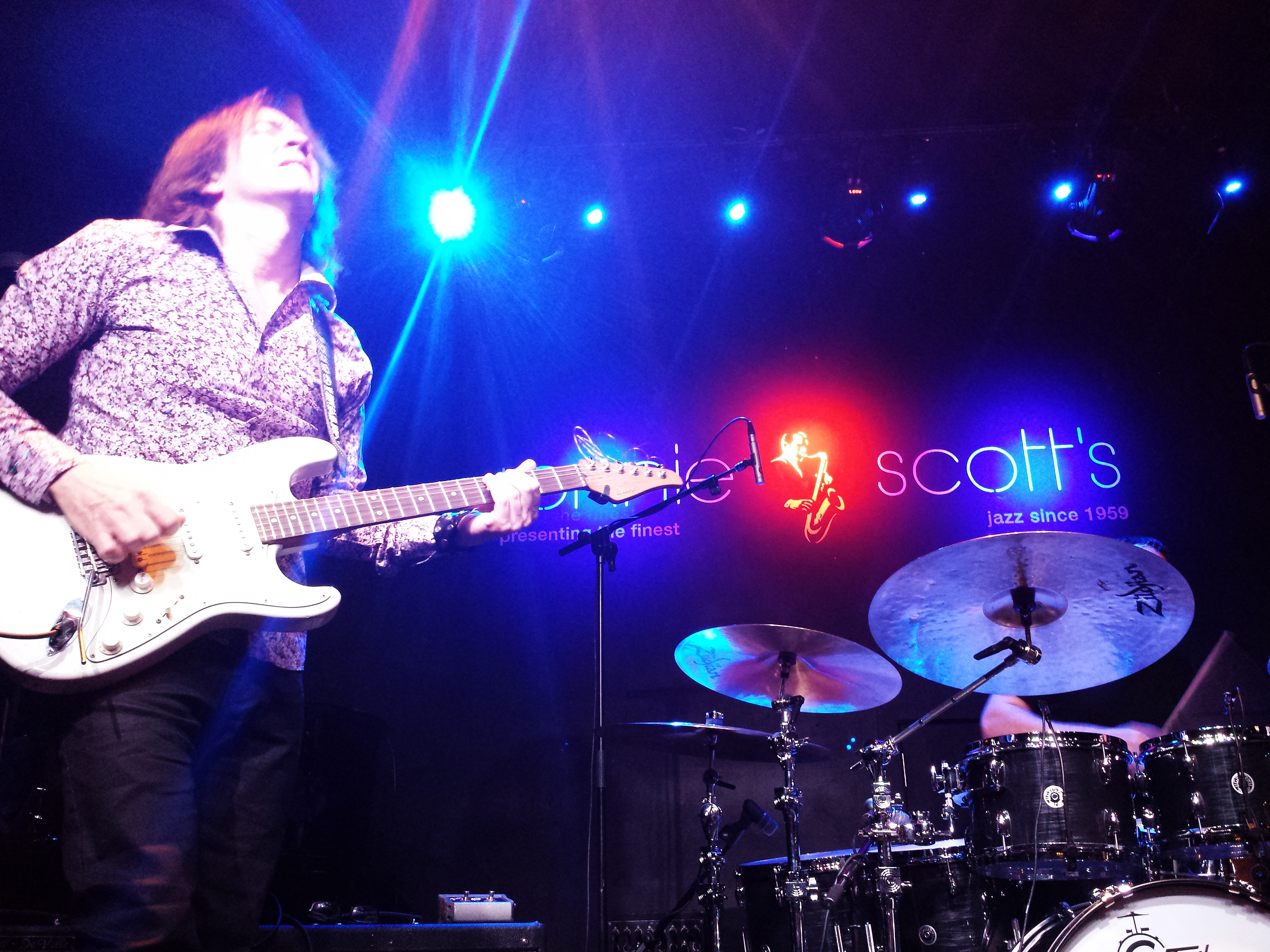
 Italian guitarist and composer, Daniele Gottardo, has developed a reputation worldwide, not just only for his virtuosity and versatility, but for the depth and sophistication of his compositions, which blend electric guitar and chamber orchestra.
 Christian Galvez is directly related with the generation of electric bass players of the post-Pastorius era.
 Giuseppe Risitano is an italian drummer, percussionist and improviser. Along with a strong



 DENNIS CHAMBERS

 JOEL TAYLOR